NEWS
Have scientists cracked the brain's code for exercise motivation?
POSTED 28 Aug 2014 . BY Chris Dodd
The scientists believe the dorsal medial habenula is the area of the brain responsible for exercise motivation Credit: Shutterstock.com/Dirima
Scientists may have discovered the part of the brain responsible for exercise motivation, according to a study in the Journal of Neuroscience.

The research, conducted by scientists at both the Seattle Children’s Research Institute’s Centre for Integrative Brain Research and the University of Washington, has concluded that the dorsal medial habenula section of the brain controls the desire to exercise in mice.

The findings could prove particularly pertinent given that the structure of the habenula is similar in humans and rodents, potentially meaning that basic functions in mood regulation and motivation are likely to be the same across the two species.

As part of the research, the scientists genetically engineered a group of mice that had their signals blocked from the dorsal medial habenula.

The findings then showed that the group of mice became lethargic and ran far less than typical mice, while they also lost their preference for drinking sugary water.

In another group of mice, scientists were able to activate the dorsal medial habenula using optogenetics, with the specimens being given the choice to activate the habenula region by turning one of two wheels with their paws.

As the researchers observed the mice, it was shown that the specimens preferred to turn the wheel that stimulated the dorsal medial habenula, creating a link between rewards for specific behaviours and actions.

In the long run, if a link is found in the human brain too, gym-goers could potentially unlock the key to more motivation in the gym, helping to aid physical fitness, as well as the businesses providing health and fitness services.

In the short term, some scientists believe that the research could help to strengthen the development of more efficiently targeted treatments for depression.

Other pieces of research have also explored how people can improve their own levels of motivation when exercising, with one study suggesting that recalling former glories could help to inspire more positive workouts.

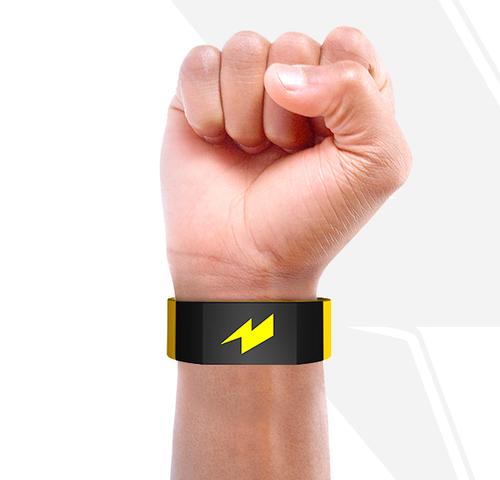
Some companies have looked to cash in on a public desire to improve motivation and kick bad behaviours. For example, the Pavlok tracking wristband has been designed to give away your money, shame you on social media, or even deliver a 340v static shot if you slip back into bad habits.
RELATED STORIES
  Scientists explore potential of the human body and paper-thin printable batteries to power wearables


Batteries may soon be a thing of the past for low-power wearable technology devices, with the potential for energy to be generated from body heat and movement, plus ambient energy from the environment.
  No pain no gain? Wristband provides electric shock to help banish bad habits


Be it sleeping in or skipping the gym, everyone wishes they could kick those bad habits that hurt productivity and prevent physical activity. Now, a new wearable is bidding to not just track activity, but use pain and shame to ensure users have no choice but to reach their goals.
  Could high intensity workouts be the answer to ageing population issues?


One of the first studies into the effects of high intensity interval training (HIIT) on elderly people has thrown up results suggesting six seconds bursts of exercise could have a significant impact on their health.


CONTACT US

Leisure Media
Tel: +44 (0)1462 431385

©Cybertrek 2026

ABOUT LEISURE MEDIA
LEISURE MEDIA MAGAZINES
LEISURE MEDIA HANDBOOKS
LEISURE MEDIA WEBSITES
LEISURE MEDIA PRODUCT SEARCH
PRINT SUBSCRIPTIONS
FREE DIGITAL SUBSCRIPTIONS
 
Leisure Management - Have scientists cracked the brain's code for exercise motivation?...
05 Jun 2026 Leisure Management: daily news and jobs
 
 
HOME
JOBS
NEWS
FEATURES
PRODUCTS
FREE DIGITAL SUBSCRIPTION
PRINT SUBSCRIPTION
ADVERTISE
CONTACT US
Sign up for FREE ezine
Latest news

28 Aug 2014

Have scientists cracked the brain's code for exercise motivation?
BY Chris Dodd

The scientists believe the dorsal medial habenula is the area of the brain responsible for exercise motivation

The scientists believe the dorsal medial habenula is the area of the brain responsible for exercise motivation
photo: Shutterstock.com/Dirima

Scientists may have discovered the part of the brain responsible for exercise motivation, according to a study in the Journal of Neuroscience.

The research, conducted by scientists at both the Seattle Children’s Research Institute’s Centre for Integrative Brain Research and the University of Washington, has concluded that the dorsal medial habenula section of the brain controls the desire to exercise in mice.

The findings could prove particularly pertinent given that the structure of the habenula is similar in humans and rodents, potentially meaning that basic functions in mood regulation and motivation are likely to be the same across the two species.

As part of the research, the scientists genetically engineered a group of mice that had their signals blocked from the dorsal medial habenula.

The findings then showed that the group of mice became lethargic and ran far less than typical mice, while they also lost their preference for drinking sugary water.

In another group of mice, scientists were able to activate the dorsal medial habenula using optogenetics, with the specimens being given the choice to activate the habenula region by turning one of two wheels with their paws.

As the researchers observed the mice, it was shown that the specimens preferred to turn the wheel that stimulated the dorsal medial habenula, creating a link between rewards for specific behaviours and actions.

In the long run, if a link is found in the human brain too, gym-goers could potentially unlock the key to more motivation in the gym, helping to aid physical fitness, as well as the businesses providing health and fitness services.

In the short term, some scientists believe that the research could help to strengthen the development of more efficiently targeted treatments for depression.

Other pieces of research have also explored how people can improve their own levels of motivation when exercising, with one study suggesting that recalling former glories could help to inspire more positive workouts.

Some companies have looked to cash in on a public desire to improve motivation and kick bad behaviours. For example, the Pavlok tracking wristband has been designed to give away your money, shame you on social media, or even deliver a 340v static shot if you slip back into bad habits.




Connect with
Leisure Management
Magazine:
View issue contents
Sign up:
Instant Alerts/zines

Print edition
 

News headlines
Healing sanctuary Tulah Clinical Wellness opens in Kerala
Healing sanctuary Tulah Clinical Wellness opens in Kerala   05 Jun 2026

Tulah Clinical Wellness, a holistic wellness destination, has officially opened in the hills of northern Kerala, India.

....
more>>
SC Fitness celebrates milestone moment of 100 gyms
SC Fitness celebrates milestone moment of 100 gyms   05 Jun 2026

Portugal’s leading operator, SC Fitness, is celebrating a milestone by reaching 100 gyms. 

....

more>>
BIG unveils Eve Music Hall as Croatia venue nears completion
BIG unveils Eve Music Hall as Croatia venue nears completion   04 Jun 2026

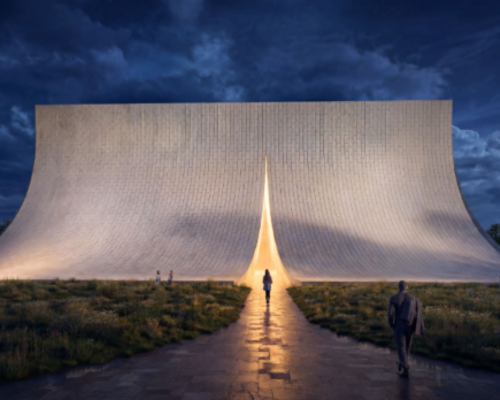
Bjarke Ingels Group (BIG) has unveiled its design for Eve Music Hall in Čepin, eastern Croatia, as construction progresses towards completion ahead .... more>>

Bob Rogers hands BRC to long-serving leadership team
Bob Rogers hands BRC to long-serving leadership team   04 Jun 2026

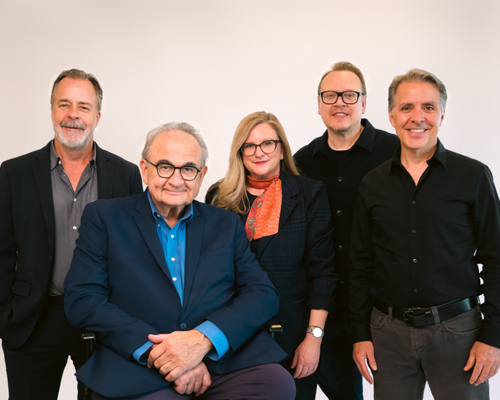
Experience design company, BRC Imagination Arts, has completed a transition that sees founder Bob Rogers pass ownership of the business to four .... more>>

Four Seasons Resort The Nam Hai creates Global Wellness Day programme rooted in nature
Four Seasons Resort The Nam Hai creates Global Wellness Day programme rooted in nature   03 Jun 2026

Four Seasons Resort The Nam Hai in Hoi An, Vietnam, has put together a Global Wellness Day (GWD) agenda with activations rooted in nature and .... more>>

Wellness care hospital opens in Vilnius with innovative spa and hospitality concept
Wellness care hospital opens in Vilnius with innovative spa and hospitality concept   03 Jun 2026

Lithuanian care operator Addere Care has launched a “wellness care hospital” in Vilnius. It's the company’s second Lithuanian site, following a .... more>>

Company profile


Safe Space Lockers

We provide a full turn-key solution for clients from design and consultation, through to bespoke manufacture, installation, aftersales and servicing solutions.

View full profile>>

Catalogue gallery


Featured Supplier

Endospheres' new protocols are designed to meet real client needs

Endospheres' new protocols are designed to meet real client needs

Spa professionals see it every day: clients are arriving with more complex expectations. More>>


in this issue

• Virgin gets right to wipe out rent arrears
• Fitness industry mourns passing of Jan Spaticchia
• STA offers mindfulness resources


Latest jobs

Jobs Search


Membership Advisor
Salary: Competitive salary plus commission & benefits
Location: Market Rasen
Company: Everyone Active
Customer Service Advisor
Salary: Competitive
Location: Market Rasen
Company: Everyone Active
GP Exercise Referral Instructor
Salary: £33,000pa + benefits
Location: Harrow
Company: Everyone Active
Diary dates
Powered by leisurediary.com

09-11 Jun 2026

World Sauna Forum 2026

Savutuvan Apaja, Haapaniemi, Finland


Published by Leisure Media Tel: +44 (0)1462 431385 | Contact us | About us | © Cybertrek Ltd