NEWS
Mindfulness meditation shown to reduce pain: study
POSTED 30 Nov 2015 . BY Jane Kitchen
Brain scans showed that mindfulness meditation produced very different patterns of activity than those produced by placebo to reduce pain Credit: Shutterstock / IAKOBCHUK VIACHESLAV
Scientists at Wake Forest Baptist Medical Center in North Carolina, US, have found new evidence that mindfulness meditation reduces pain.

The research, published in the Journal of Neuroscience, showed that study participants who practiced mindfulness meditation reported greater pain relief than placebo.

Significantly, brain scans showed that mindfulness meditation produced very different patterns of activity than those produced by placebo to reduce pain.

“We were completely surprised by the findings,” said Fadel Zeidan, Ph.D., assistant professor of neurobiology and anatomy at Wake Forest Baptist and lead investigator of the study.

“While we thought that there would be some overlap in brain regions between meditation and placebo, the findings from this study provide novel and objective evidence that mindfulness meditation reduces pain in a unique fashion.”

The study used a two-pronged approach – pain ratings and brain imaging – to determine whether mindfulness meditation is merely a placebo effect.

Seventy-five healthy, pain-free participants were randomly assigned to one of four groups: mindfulness meditation, placebo meditation (“sham” meditation), placebo analgesic cream (petroleum jelly) or control.

Pain was induced by using a thermal probe to heat a small area of the participants’ skin to 49 degrees Centigrade (120.2 degrees Fahrenheit), a level of heat most people find very painful. Study participants then rated pain intensity (physical sensation) and pain unpleasantness (emotional response). The participants’ brains were scanned with arterial spin labelling magnetic resonance imaging (ASL MRI) before and after their respective four-day group interventions.

The mindfulness meditation group reported that pain intensity was reduced by 27 per cent and by 44 per cent for the emotional aspect of pain. In contrast, the placebo cream reduced the sensation of pain by 11 per cent and emotional aspect of pain by 13 per cent.

“The MRI scans showed for the first time that mindfulness meditation produced patterns of brain activity that are different than those produced by the placebo cream,” Zeidan said.

Mindfulness meditation reduced pain by activating brain regions associated with the self-control of pain, while the placebo cream lowered pain by reducing brain activity in pain-processing areas.

Another brain region, the thalamus – an area that serves as a gateway to determine if sensory information is allowed to reach higher brain centres – was deactivated during mindfulness meditation, but was activated during all other conditions.

By deactivating this area, mindfulness meditation may have caused signals about pain to simply fade away, Zeidan said.

Mindfulness meditation also was significantly better at reducing pain intensity and pain unpleasantness than the placebo meditation.

The placebo-meditation group had relatively small decreases in pain intensity (9 per cent) and pain unpleasantness (24 per cent). The study findings suggest that placebo meditation may have reduced pain through a relaxation effect that was associated with slower breathing.

“This study is the first to show that mindfulness meditation is mechanistically distinct and produces pain relief above and beyond the analgesic effects seen with either placebo cream or sham meditation,” Zeidan said.

“Based on our findings, we believe that as little as four 20-minute daily sessions of mindfulness meditation could enhance pain treatment in a clinical setting.”

However, Zeidan cautioned, given that the study examined healthy, pain-free volunteers, the findings cannot be generalised to cover chronic pain patients yet.


CONTACT US

Leisure Media
Tel: +44 (0)1462 431385

©Cybertrek 2026

ABOUT LEISURE MEDIA
LEISURE MEDIA MAGAZINES
LEISURE MEDIA HANDBOOKS
LEISURE MEDIA WEBSITES
LEISURE MEDIA PRODUCT SEARCH
PRINT SUBSCRIPTIONS
FREE DIGITAL SUBSCRIPTIONS
 
Leisure Management - Mindfulness meditation shown to reduce pain: study...
06 Jun 2026 Leisure Management: daily news and jobs
 
 
HOME
JOBS
NEWS
FEATURES
PRODUCTS
FREE DIGITAL SUBSCRIPTION
PRINT SUBSCRIPTION
ADVERTISE
CONTACT US
Sign up for FREE ezine
Latest news

30 Nov 2015

Mindfulness meditation shown to reduce pain: study
BY Jane Kitchen

Brain scans showed that mindfulness meditation produced very different patterns of activity than those produced by placebo to reduce pain

Brain scans showed that mindfulness meditation produced very different patterns of activity than those produced by placebo to reduce pain
photo: Shutterstock / IAKOBCHUK VIACHESLAV

Scientists at Wake Forest Baptist Medical Center in North Carolina, US, have found new evidence that mindfulness meditation reduces pain.

The research, published in the Journal of Neuroscience, showed that study participants who practiced mindfulness meditation reported greater pain relief than placebo.

Significantly, brain scans showed that mindfulness meditation produced very different patterns of activity than those produced by placebo to reduce pain.

“We were completely surprised by the findings,” said Fadel Zeidan, Ph.D., assistant professor of neurobiology and anatomy at Wake Forest Baptist and lead investigator of the study.

“While we thought that there would be some overlap in brain regions between meditation and placebo, the findings from this study provide novel and objective evidence that mindfulness meditation reduces pain in a unique fashion.”

The study used a two-pronged approach – pain ratings and brain imaging – to determine whether mindfulness meditation is merely a placebo effect.

Seventy-five healthy, pain-free participants were randomly assigned to one of four groups: mindfulness meditation, placebo meditation (“sham” meditation), placebo analgesic cream (petroleum jelly) or control.

Pain was induced by using a thermal probe to heat a small area of the participants’ skin to 49 degrees Centigrade (120.2 degrees Fahrenheit), a level of heat most people find very painful. Study participants then rated pain intensity (physical sensation) and pain unpleasantness (emotional response). The participants’ brains were scanned with arterial spin labelling magnetic resonance imaging (ASL MRI) before and after their respective four-day group interventions.

The mindfulness meditation group reported that pain intensity was reduced by 27 per cent and by 44 per cent for the emotional aspect of pain. In contrast, the placebo cream reduced the sensation of pain by 11 per cent and emotional aspect of pain by 13 per cent.

“The MRI scans showed for the first time that mindfulness meditation produced patterns of brain activity that are different than those produced by the placebo cream,” Zeidan said.

Mindfulness meditation reduced pain by activating brain regions associated with the self-control of pain, while the placebo cream lowered pain by reducing brain activity in pain-processing areas.

Another brain region, the thalamus – an area that serves as a gateway to determine if sensory information is allowed to reach higher brain centres – was deactivated during mindfulness meditation, but was activated during all other conditions.

By deactivating this area, mindfulness meditation may have caused signals about pain to simply fade away, Zeidan said.

Mindfulness meditation also was significantly better at reducing pain intensity and pain unpleasantness than the placebo meditation.

The placebo-meditation group had relatively small decreases in pain intensity (9 per cent) and pain unpleasantness (24 per cent). The study findings suggest that placebo meditation may have reduced pain through a relaxation effect that was associated with slower breathing.

“This study is the first to show that mindfulness meditation is mechanistically distinct and produces pain relief above and beyond the analgesic effects seen with either placebo cream or sham meditation,” Zeidan said.

“Based on our findings, we believe that as little as four 20-minute daily sessions of mindfulness meditation could enhance pain treatment in a clinical setting.”

However, Zeidan cautioned, given that the study examined healthy, pain-free volunteers, the findings cannot be generalised to cover chronic pain patients yet.


Connect with
Leisure Management
Magazine:
View issue contents
Sign up:
Instant Alerts/zines

Print edition
 

News headlines
Almost half of spa survey respondents are unaware cancer is a disability and not adapting treatments is discrimination
Almost half of spa survey respondents are unaware cancer is a disability and not adapting treatments is discrimination   05 Jun 2026

A recent survey by the UK Spa Association (UKSA) into the industry’s approach to cancer care has revealed that almost half of participating .... more>>

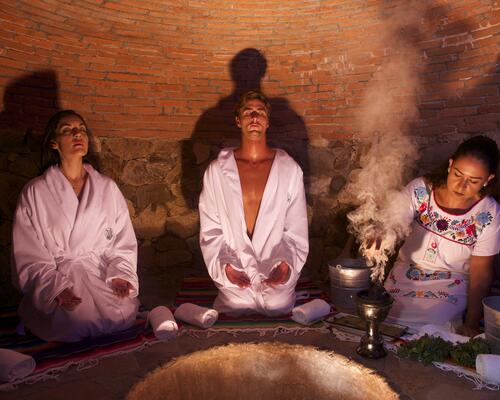
Solmar Hotels and Resorts offers Temazcal ceremony for Global Wellness Day
Solmar Hotels and Resorts offers Temazcal ceremony for Global Wellness Day   05 Jun 2026

Mexican operator, Solmar Hotels and Resorts, is hosting a series of events in celebration of Global Wellness Day, including a Temazcal ceremony at .... more>>

Warner Bros Discovery collaborates on upcoming Pompeii attraction
Warner Bros Discovery collaborates on upcoming Pompeii attraction   05 Jun 2026

A new immersive attraction designed to transport visitors into the final hours of ancient Pompeii is preparing to open near the world-famous .... more>>

Nuffield Health says it will appeal after losing at employment tribunal
Nuffield Health says it will appeal after losing at employment tribunal   05 Jun 2026

Nuffield Health has told HCM that it takes its responsibilities towards its colleagues seriously and is committed to meeting all legal .... more>>

Mandarin Oriental announces standalone Mansions-branded residences for Abu Dhabi
Mandarin Oriental announces standalone Mansions-branded residences for Abu Dhabi   05 Jun 2026

Mandarin Oriental has announced a standalone residence brand, Mansions, which will debut at Emirates Palace, Mandarin Oriental Mansions, Abu Dhabi, .... more>>

Technogym and World Athletics team up to launch the Run X World Treadmill Championships
Technogym and World Athletics team up to launch the Run X World Treadmill Championships   05 Jun 2026

Technogym has announced the launch of the Run X World Treadmill Championship, the first world championship for running on connected treadmills over .... more>>

Company profile


Hydrafacial

Founded in 1997, Hydrafacial has grown to become one of the world’s leading skin health brands.

View full profile>>

Catalogue gallery


Featured Supplier

Endospheres' new protocols are designed to meet real client needs

Endospheres' new protocols are designed to meet real client needs

Spa professionals see it every day: clients are arriving with more complex expectations. More>>


in this issue

• Virgin gets right to wipe out rent arrears
• Fitness industry mourns passing of Jan Spaticchia
• STA offers mindfulness resources


Latest jobs

Jobs Search


Membership Advisor
Salary: Competitive salary plus commission & benefits
Location: Market Rasen
Company: Everyone Active
Customer Service Advisor
Salary: Competitive
Location: Market Rasen
Company: Everyone Active
GP Exercise Referral Instructor
Salary: £33,000pa + benefits
Location: Harrow
Company: Everyone Active
Diary dates
Powered by leisurediary.com

09-11 Jun 2026

World Sauna Forum 2026

Savutuvan Apaja, Haapaniemi, Finland


Published by Leisure Media Tel: +44 (0)1462 431385 | Contact us | About us | © Cybertrek Ltd