NEWS
TrendsWatch annual report says radical reshaping of the workplace will affect museums sector
POSTED 09 Mar 2016 . BY Tom Anstey
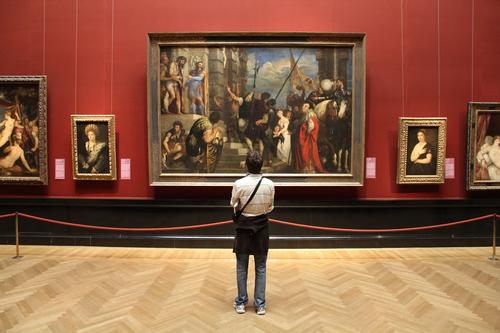
The report says flexible work hours combined with the mutation of work into a 24/7 proposition means time is being freed up for more flexible leisure activities Credit: Shutterstock.com
The 2016 edition of the TrendsWatch report – which highlights trends to watch out for in
museums in the coming year – has predicted culture of work, the spectrum of ability, and the struggle over representation to be prominent trends in the sector.

Written by Elizabeth Merritt of the Center for the Future of Museums (CFM), the report, from the CFM and the American Alliance of Museums (AAM), annually identifies the major trends that will shape the way museums worldwide will handle affairs, do business and engage visitors.

At the top of this year’s agenda is the concept of Labor 3.0 – the radical reshaping of the workplace thanks to technology, culture and economic forces.

“The continued mutation of work into a 24/7 proposition may leave people even less time for leisure,” says the report. “On the other hand, flexible work hours, the rise of freelance and contract labour, as well as “sharing economy” jobs, create a large class of people with the flexibility to visit when it suits them.”

Additionally, the report says that the evolving economy and job market will redefine what people expect from museums in terms of education and training opportunities, with museums finding themselves using more part-time and outsourced labour, characterised by temporary teams of skilled specialists.

The document also looks at how the next quarter of a century might unfold in relation to the disabled and how advancing technology is expanding the spectrum of human ability. It’s suggested that museums are about to meet a “new kind of visitor” – people who experience the world in ways no human ever has before.

Merritt encourages museums to play a leadership role in society, acting as thought leaders, educators and ethicists. For that to work though, museums must stand at the forefront of disability rights, rather than treading the narrowly legal trailing edge. Additionally, significant numbers of people choosing to enhance and expand their senses through technology would profoundly alter the experience of art and music created in a pre-augmentation era. The report added that museums will have to adapt everything right down to exhibit and public space design to accommodate the augmentable era.

Not only is augmented reality going to play a huge role in the future of museums; so too will virtual reality. With museums needing to stay one step ahead of the game when it comes to future tech, as VR and AR become more affordable, these institutions will need to be able to develop experiences which will draw visitors to their attraction. Increasingly sophisticated AR and VR
experiences will heighten the impact museums can make as they push their content out into the world via these platforms.

The struggle over representation and identity was also spotlighted in the report, with museums finding themselves often in delicate positions in a sometimes volatile social media age.

“Objects – powerful symbols of individuals, groups, history and society as a whole – have become explosive points of contention.” reads the report. “Museums, as public stewards of our collective history, find themselves enmeshed in the struggle over representation, identity and material culture.”

What this means for museums, says Merritt, is they are being called to act as “cultural hazmat teams”, for example taking down confederate flags or removing commemorative plaques. As time goes on, museums will have to address how they cover certain topics, deciding whether and how to play a role in decommissioning or relocating culturally explosive icons in their states, cities and communities.

The final trend identifies a rebellion against financial focus, with museums using non-financial metrics such as happiness, wellbeing and satisfaction for its workers. In the absence of shared measures of wellbeing, museums often fall back on trying to demonstrate financial impact. Given traditionally low museum salaries, the report suggests it may be more realistic for the sector to focus on employee happiness and wellbeing, as well as trying to budget financial incentives.

To read the full report click here.
RELATED STORIES
  Wearable tech revolution, open culture and ethical scrutiny all forecast in 2015 museums TrendsWatch report


The 2015 edition of the TrendsWatch report, which highlights trends to watch out for in museums in the coming year has been released, with rising tides, wearable tech and open culture all on the agenda.
  2014 TrendsWatch forecasts museum innovation


The 2014 TrendsWatch report has highlighted a number of predicted museum trends for the coming year, including robots, big data, the rise of social entrepreneurs and the economy of collaborative consumption.


CONTACT US

Leisure Media
Tel: +44 (0)1462 431385

©Cybertrek 2026

ABOUT LEISURE MEDIA
LEISURE MEDIA MAGAZINES
LEISURE MEDIA HANDBOOKS
LEISURE MEDIA WEBSITES
LEISURE MEDIA PRODUCT SEARCH
PRINT SUBSCRIPTIONS
FREE DIGITAL SUBSCRIPTIONS
 
Leisure Management - TrendsWatch annual report says radical reshaping of the workplace will affect museums sector...
08 Jun 2026 Leisure Management: daily news and jobs
 
 
HOME
JOBS
NEWS
FEATURES
PRODUCTS
FREE DIGITAL SUBSCRIPTION
PRINT SUBSCRIPTION
ADVERTISE
CONTACT US
Sign up for FREE ezine
Latest news

09 Mar 2016

TrendsWatch annual report says radical reshaping of the workplace will affect museums sector
BY Tom Anstey

The report says flexible work hours combined with the mutation of work into a 24/7 proposition means time is being freed up for more flexible leisure activities

The report says flexible work hours combined with the mutation of work into a 24/7 proposition means time is being freed up for more flexible leisure activities
photo: Shutterstock.com

The 2016 edition of the TrendsWatch report – which highlights trends to watch out for in museums in the coming year – has predicted culture of work, the spectrum of ability, and the struggle over representation to be prominent trends in the sector.


Written by Elizabeth Merritt of the Center for the Future of Museums (CFM), the report, from the CFM and the American Alliance of Museums (AAM), annually identifies the major trends that will shape the way museums worldwide will handle affairs, do business and engage visitors.

At the top of this year’s agenda is the concept of Labor 3.0 – the radical reshaping of the workplace thanks to technology, culture and economic forces.

“The continued mutation of work into a 24/7 proposition may leave people even less time for leisure,” says the report. “On the other hand, flexible work hours, the rise of freelance and contract labour, as well as “sharing economy” jobs, create a large class of people with the flexibility to visit when it suits them.”

Additionally, the report says that the evolving economy and job market will redefine what people expect from museums in terms of education and training opportunities, with museums finding themselves using more part-time and outsourced labour, characterised by temporary teams of skilled specialists.

The document also looks at how the next quarter of a century might unfold in relation to the disabled and how advancing technology is expanding the spectrum of human ability. It’s suggested that museums are about to meet a “new kind of visitor” – people who experience the world in ways no human ever has before.

Merritt encourages museums to play a leadership role in society, acting as thought leaders, educators and ethicists. For that to work though, museums must stand at the forefront of disability rights, rather than treading the narrowly legal trailing edge. Additionally, significant numbers of people choosing to enhance and expand their senses through technology would profoundly alter the experience of art and music created in a pre-augmentation era. The report added that museums will have to adapt everything right down to exhibit and public space design to accommodate the augmentable era.

Not only is augmented reality going to play a huge role in the future of museums; so too will virtual reality. With museums needing to stay one step ahead of the game when it comes to future tech, as VR and AR become more affordable, these institutions will need to be able to develop experiences which will draw visitors to their attraction. Increasingly sophisticated AR and VR
experiences will heighten the impact museums can make as they push their content out into the world via these platforms.

The struggle over representation and identity was also spotlighted in the report, with museums finding themselves often in delicate positions in a sometimes volatile social media age.

“Objects – powerful symbols of individuals, groups, history and society as a whole – have become explosive points of contention.” reads the report. “Museums, as public stewards of our collective history, find themselves enmeshed in the struggle over representation, identity and material culture.”

What this means for museums, says Merritt, is they are being called to act as “cultural hazmat teams”, for example taking down confederate flags or removing commemorative plaques. As time goes on, museums will have to address how they cover certain topics, deciding whether and how to play a role in decommissioning or relocating culturally explosive icons in their states, cities and communities.

The final trend identifies a rebellion against financial focus, with museums using non-financial metrics such as happiness, wellbeing and satisfaction for its workers. In the absence of shared measures of wellbeing, museums often fall back on trying to demonstrate financial impact. Given traditionally low museum salaries, the report suggests it may be more realistic for the sector to focus on employee happiness and wellbeing, as well as trying to budget financial incentives.

To read the full report click here.


Connect with
Leisure Management
Magazine:
View issue contents
Sign up:
Instant Alerts/zines

Print edition
 

News headlines
Longevitix launches AI-powered platform to deliver longevity medicine at scale
Longevitix launches AI-powered platform to deliver longevity medicine at scale   08 Jun 2026

Longevitix, a clinical platform for preventive and longevity medicine, has launched its AI-powered intelligence system to help physicians deliver .... more>>

Orangetheory set for Italian expansion and Technogym tie-up
Orangetheory set for Italian expansion and Technogym tie-up   08 Jun 2026

Purpose Brands has announced its entry into the Italian market, having sold the franchise rights for four Orangetheory Fitness studios to Icon .... more>>

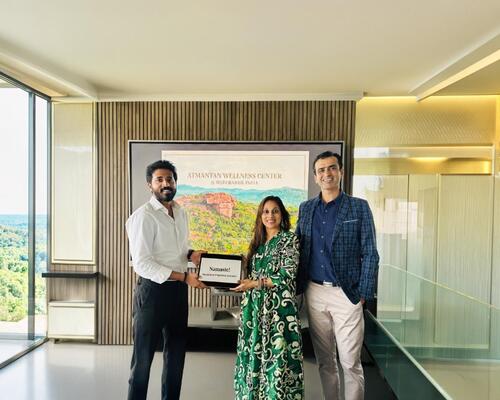
Atmantan Wellness Centre announces new wellness destination in Hyderabad
Atmantan Wellness Centre announces new wellness destination in Hyderabad   08 Jun 2026

Atmantan Wellness Centre, an integrative wellness destination in Mulshi, near Pune in India, is expanding its portfolio by adding a new centre in .... more>>

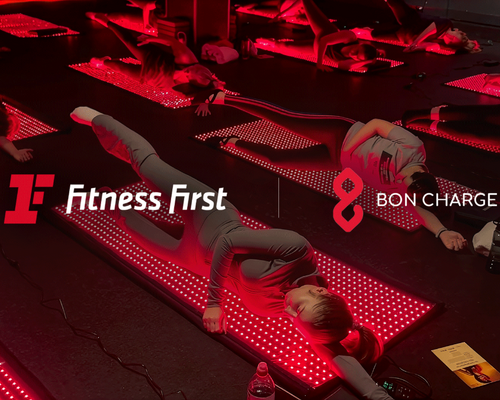
Fitness First adds red light therapy to relaxation classes
Fitness First adds red light therapy to relaxation classes   08 Jun 2026

Fitness First UK is integrating red light therapy into its yoga and Pilates classes through a partnership with Bon Charge.
....
more>>
The Retreat Costa Rica debuts Vida Mía Longevity Centre
The Retreat Costa Rica debuts Vida Mía Longevity Centre   07 Jun 2026

Luxury wellness resort, The Retreat Costa Rica, has introduced its Vida Mía Longevity Centre at the property’s Vida Mía Healing Centre and .... more>>

Almost half of spa survey respondents are unaware cancer is a disability and not adapting treatments is discrimination
Almost half of spa survey respondents are unaware cancer is a disability and not adapting treatments is discrimination   05 Jun 2026

A recent survey by the UK Spa Association (UKSA) into the industry’s approach to cancer care has revealed that almost half of participating .... more>>

Company profile


WDT Werner Dosiertechnik GmbH & Co. KG

WDT was founded 40 years ago by Dietmar Werner with the invention of a dosing system for calcium hypochlorite for swimming pools.

View full profile>>

Catalogue gallery


Featured Supplier

Endospheres' new protocols are designed to meet real client needs

Endospheres' new protocols are designed to meet real client needs

Spa professionals see it every day: clients are arriving with more complex expectations. More>>


in this issue

• Virgin gets right to wipe out rent arrears
• Fitness industry mourns passing of Jan Spaticchia
• STA offers mindfulness resources


Latest jobs

Jobs Search


Membership Advisor
Salary: Competitive salary plus commission & benefits
Location: Market Rasen
Company: Everyone Active
Customer Service Advisor
Salary: Competitive
Location: Market Rasen
Company: Everyone Active
GP Exercise Referral Instructor
Salary: £33,000pa + benefits
Location: Harrow
Company: Everyone Active
Diary dates
Powered by leisurediary.com

09-11 Jun 2026

World Sauna Forum 2026

Savutuvan Apaja, Haapaniemi, Finland


Published by Leisure Media Tel: +44 (0)1462 431385 | Contact us | About us | © Cybertrek Ltd