NEWS
Herzog & de Meuron's Tate Modern extension opens in London today
POSTED 17 Jun 2016 . BY Kim Megson
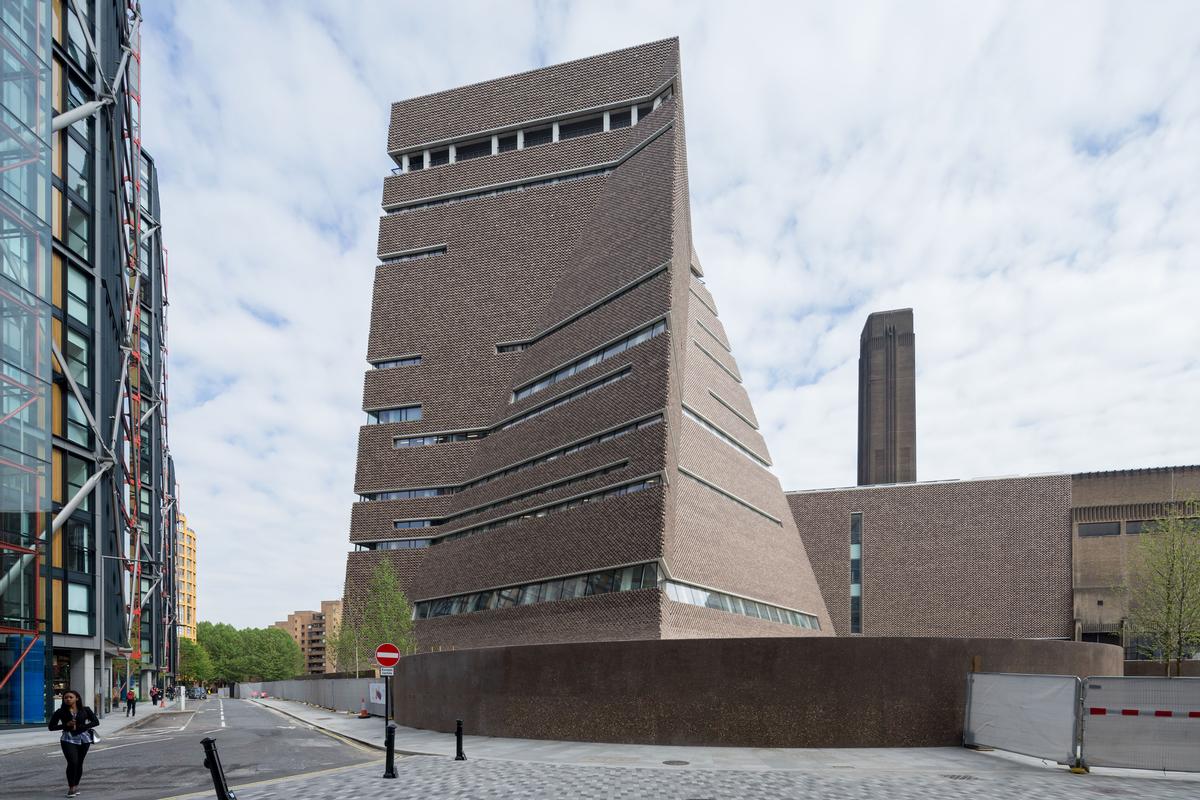
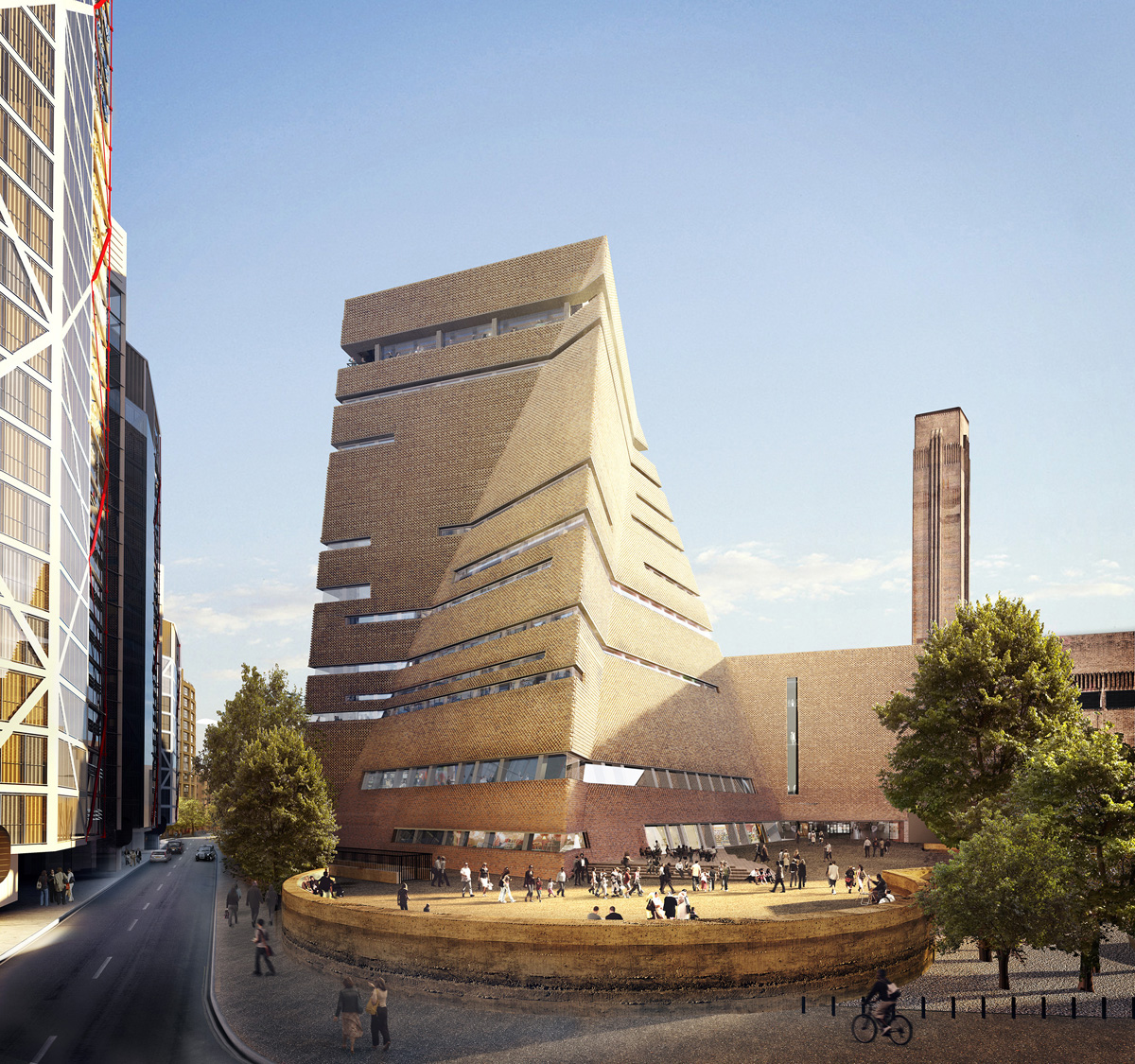
The extension has added 60 per cent of space to the Tate Modern Credit: Iwan Baan
Today (17 June), the British public can finally see for themselves the long-gestating expansion to London’s Tate Modern art museum, masterminded by Herzog & de Meuron.

The architects transformed the derelict Bankside Power Station on the River Thames into the museum in 2000 to house the UK’s collection of international modern and contemporary art. The Tate was expected to receive two million visitors each year, but was soon welcoming closer to five million; making it the world's most visited art museum.

A competition to design a new building on the site of the power station’s former Switch House was held in 2005 to create much needed extra space. The original architectural team entered and were invited back to work on the project. Construction was held up by the global recession, but building work finally began in 2010.

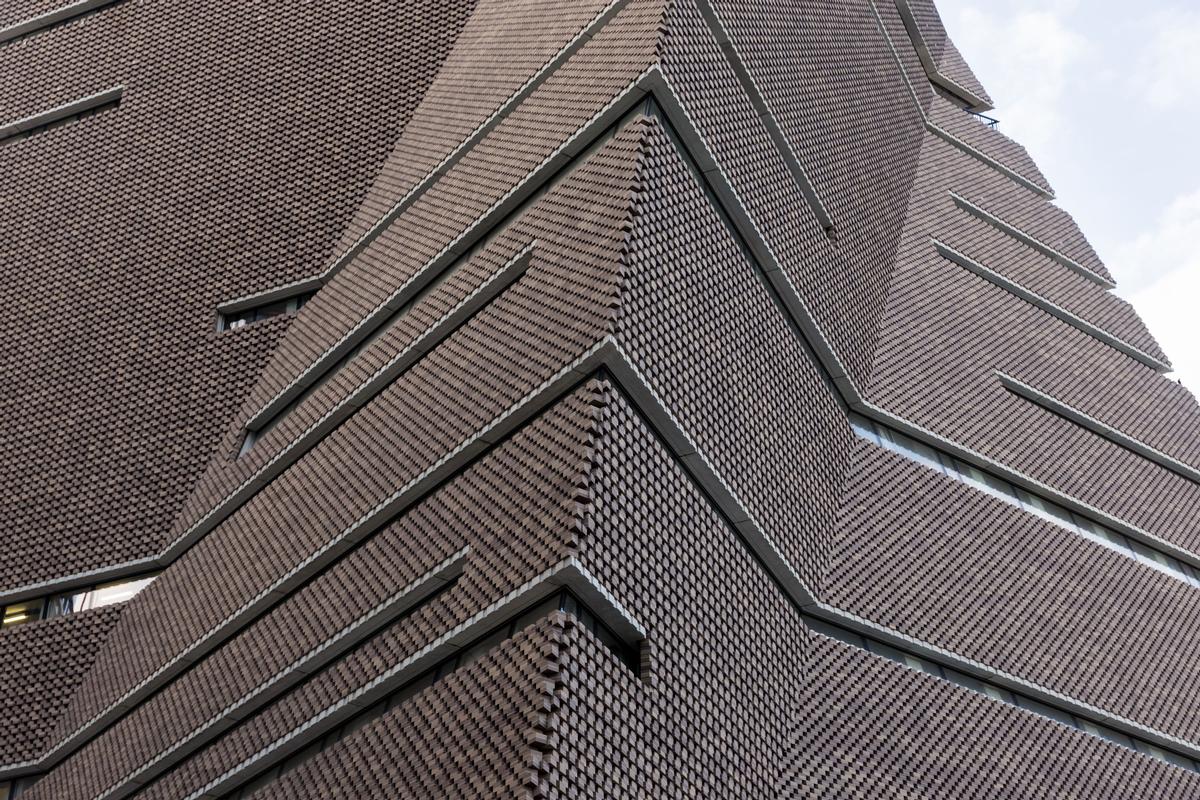
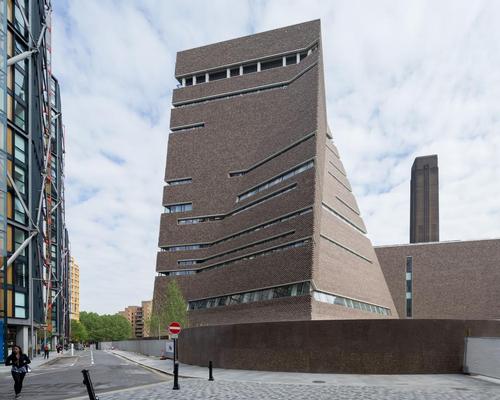
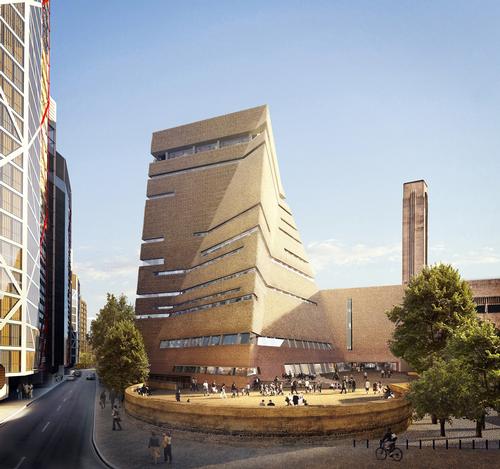
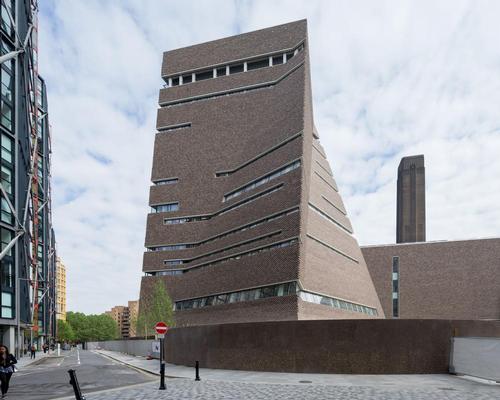
The completed Switch House is a towering 10-storey "twisted pyramid" – 65m (213ft) tall and 21,500sq m (230,400sq ft) in size – formed of a concrete structure that folds into dramatic lines as it rises. A new perforated lattice of 336,000 bricks, created by British company Swift Brickworks, reinterprets the original building’s facade and allows light to filter in during the day.

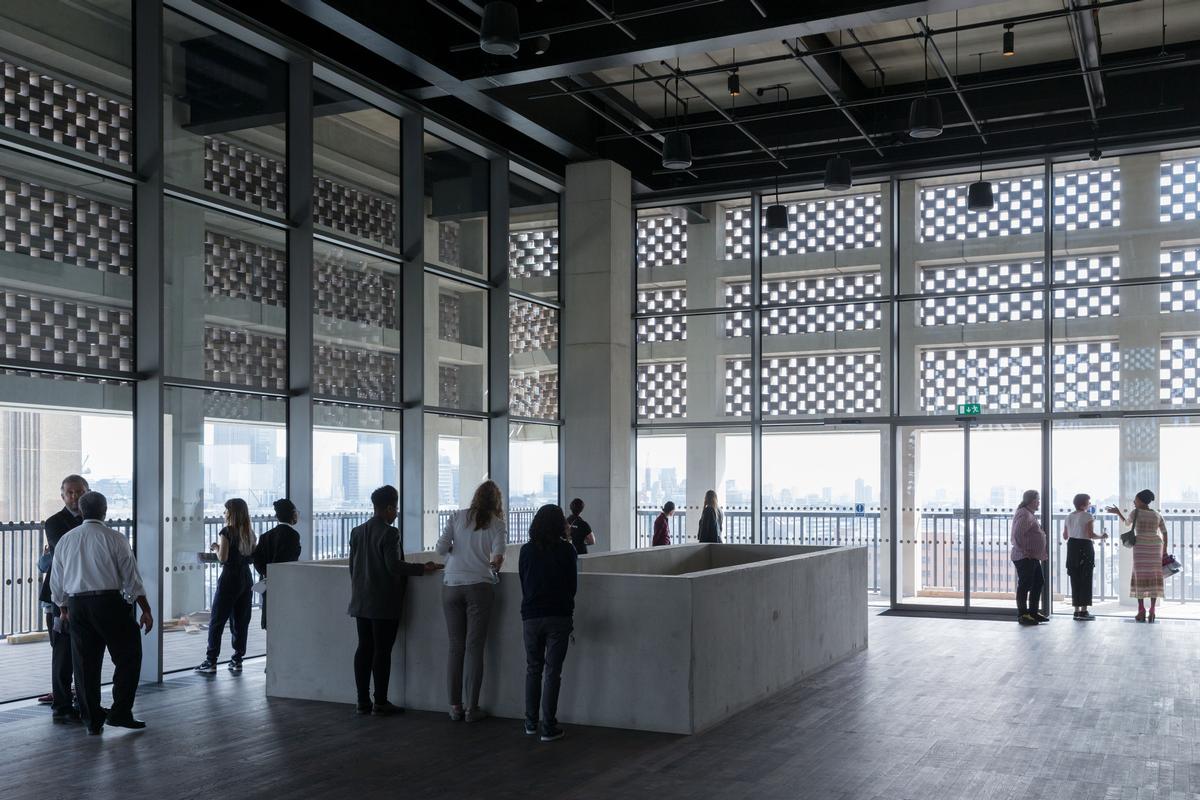
New outdoor public terraces have been created, and a rooftop viewing point looks out onto the London skyline – including nearby landmarks such as Richard Rogers’ 'Cheesegrater', Rafael Viñoly’s 'Walkie Talkie', Norman Foster’s 'Gherkin' and Sir Christopher Wren’s St Paul's Cathedral.

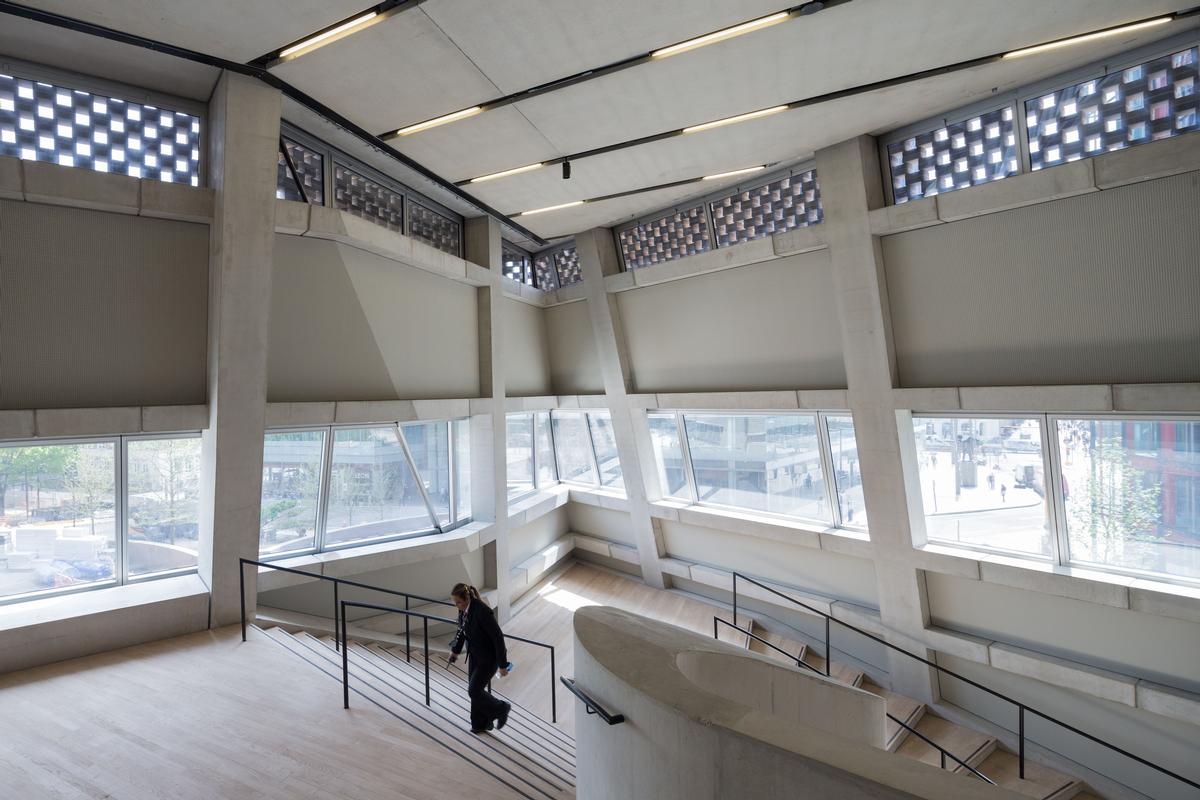
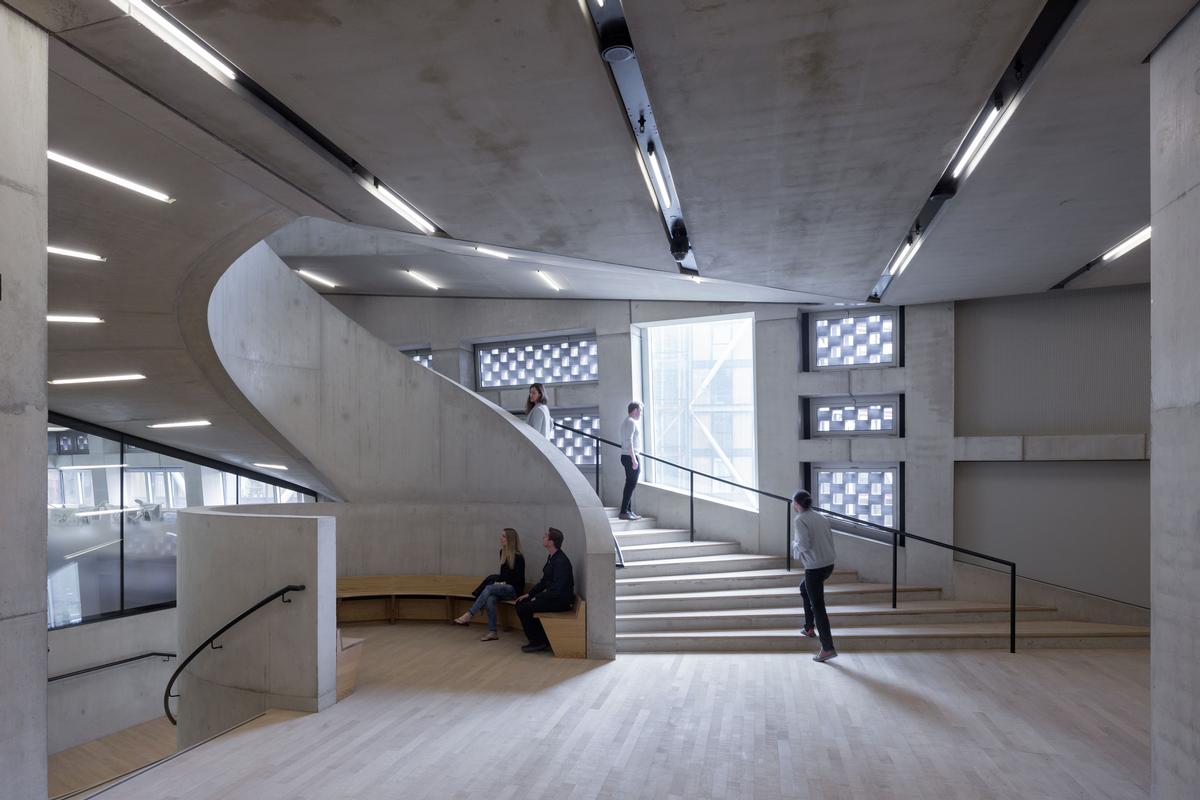
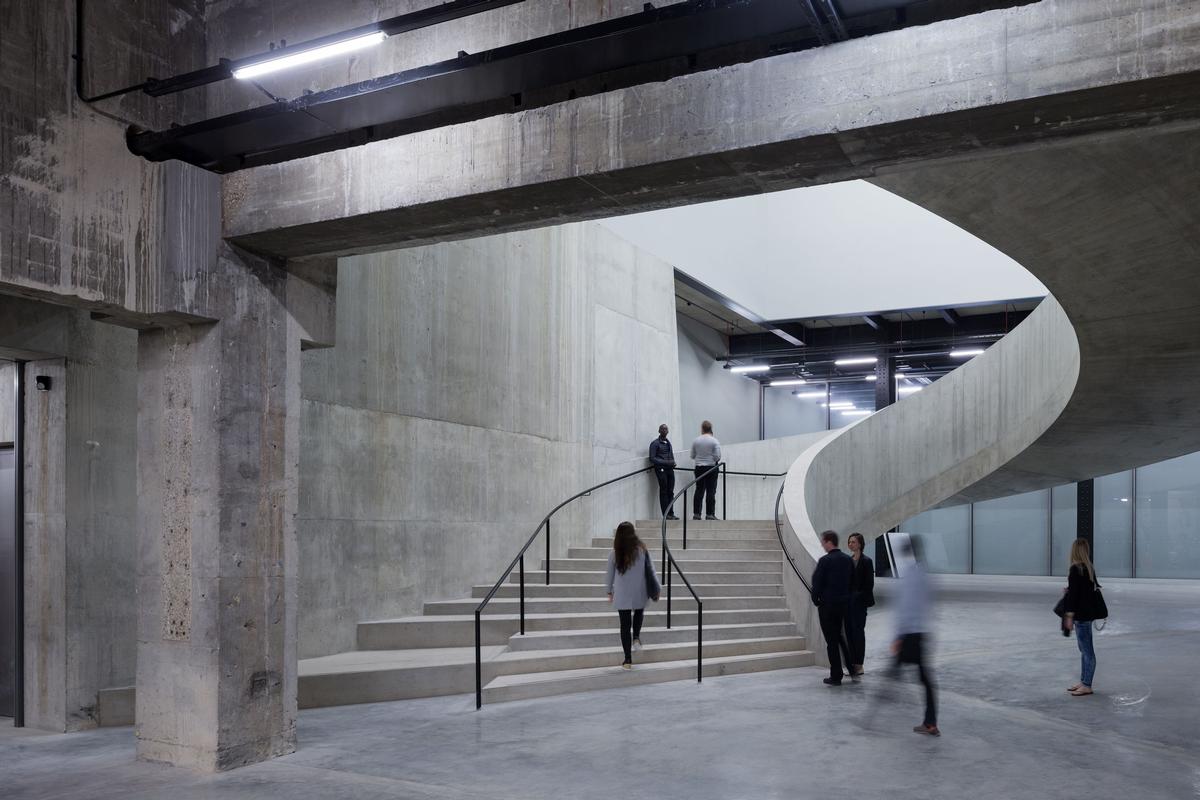
The Switch House has added 60 per cent more exhibition space to house Tate Modern's vast collection. Cylindrical underground tanks, formerly used to hold the power station’s oil, form the physical foundation of the building and provide space dedicated to live art, installation and film. The new floors above are connected by both lifts and a sweeping concrete staircase, and two bridges connect the Switch House with the Boiler House and the museum’s original facilities, which have been revamped.

“Inside the museum, the horizontal configuration of the classical galleries in the Boiler House is now enhanced with the vertical boulevard of the new extension, creating a kind of architectural topography through the building,” said Pierre de Meuron. “This offers unexpected opportunities for both artists and curators to present art works outside the ‘official’ display areas of the galleries.”

Jacques Herzog added: “An addition to an existing building is always very difficult, even problematic: some people will like the new part better, others will prefer the old part, some may say, the extension was not necessary; others are convinced of the opposite. We wanted to anticipate such controversial views. Our aim was to create a building conglomerate which appears as one thing, not as a phase one and a phase two.”

Tate Modern senior curator Mark Godfrey told CLAD that artists will respond to the architectural vision of Herzog & de Meuron. “There are so many ways artists can interact with the architecture – its space, angles, textures, lighting and brickwork – and be motivated by it,” he said. “For example, the oil tanks provide bigger, more exciting spaces and that allows us to work with artists who can feel inspired and who will respond to the possibilities and shapes the spaces, and the materiality and circularity of them.”

Speaking at the press preview for the museum on Tuesday (14 June), London mayor Sadiq Khan vowed to use the Tate’s extension as the starting point in his bid to “make sure culture is integral to the city’s development and future.” He outlined his plans to embed culture in the planning system and create incentives, such as affordable housing and studios, for creative individuals to live and work in the capital.

“It’s not just about bricks and mortar, as wonderful as our surroundings are,” he said. “It’s about realising the potential of people as well as places. To be a world city, London needs to support creative places and creative Londoners too.”

The mayor’s office provided funding for the Switch House project, alongside the government, local council and private individuals and foundations.

In an exclusive interview with CLAD, Swift’s project manager Pete Croney discussed the challenges of the project, which saw his team pre-bond bricks together off-site and then bring them to site to dry set to avoid the perils of the British weather.

“We had to think outside the box and reinvent all the processes we use for setting out and 3D modelling,” he said. “By far the biggest challenge was the tolerances. We were working to tolerance of half a millimetre for every pair of bricks that were bonded together; when they’re paired the bricks become like Lego.

“Despite the challenges, the project was a 100 per cent success. The end result is this perforated brickwork that provides a purely decorative facade, like knitwear that cloaks the whole building. The response has been overwhelming; even people who've seen renderings and mock ups of the building are amazed when they see it in person and see how fantastic the texture is on the building and how that adds another dimension.

“I've never known a project like it. Brick is certainly having a renaissance and designers are discovering new possibilities with it all the time.”
The power station’s brickwork is reinterpreted with a new perforated lattice of 336,000 bricks Credit: Iwan Baan
A rooftop observation point offers panoramic views of London Credit: Iwan Baan
The Switch House is designed as a visually striking twisting pyramid Credit: Iwan Baan
The perforated brickwork allows light into the building Credit: Iwan Baan
The floors are linked by a sweeping concrete staircase Credit: Iwan Baan
RELATED STORIES
  Herzog and de Meuron's Tate Modern pyramid extension ready for June opening


The first images of the long-awaited extension to the Tate Modern art gallery in London have been released ahead of its official public opening on 17 June 2016.
  Herzog & de Meuron's Tate Modern addition to open June 2016


A £215m (US$329m, €296m) extension for London’s Tate Modern will open next year, the gallery’s director has said.
  Tate Modern's extension project comes under scrutiny


With a budget of £215m ($361m, €270m), one might expect Tate Modern’s high-profile extension to be carried out to schedule and without incident. But a re-shuffle at the upper echelons of the project’s management, topped off with an admission that the budget will need to be revised, has raised questions from one of the UK’s Labour MPs.


CONTACT US

Leisure Media
Tel: +44 (0)1462 431385

©Cybertrek 2026

ABOUT LEISURE MEDIA
LEISURE MEDIA MAGAZINES
LEISURE MEDIA HANDBOOKS
LEISURE MEDIA WEBSITES
LEISURE MEDIA PRODUCT SEARCH
PRINT SUBSCRIPTIONS
FREE DIGITAL SUBSCRIPTIONS
 
Leisure Management - Herzog & de Meuron's Tate Modern extension opens in London today...
08 Jun 2026 Leisure Management: daily news and jobs
 
 
HOME
JOBS
NEWS
FEATURES
PRODUCTS
FREE DIGITAL SUBSCRIPTION
PRINT SUBSCRIPTION
ADVERTISE
CONTACT US
Sign up for FREE ezine
Latest news

17 Jun 2016

Herzog & de Meuron's Tate Modern extension opens in London today
BY Kim Megson

The extension has added 60 per cent of space to the Tate Modern

The extension has added 60 per cent of space to the Tate Modern
photo: Iwan Baan

Today (17 June), the British public can finally see for themselves the long-gestating expansion to London’s Tate Modern art museum, masterminded by Herzog & de Meuron.

The architects transformed the derelict Bankside Power Station on the River Thames into the museum in 2000 to house the UK’s collection of international modern and contemporary art. The Tate was expected to receive two million visitors each year, but was soon welcoming closer to five million; making it the world's most visited art museum.

A competition to design a new building on the site of the power station’s former Switch House was held in 2005 to create much needed extra space. The original architectural team entered and were invited back to work on the project. Construction was held up by the global recession, but building work finally began in 2010.

The completed Switch House is a towering 10-storey "twisted pyramid" – 65m (213ft) tall and 21,500sq m (230,400sq ft) in size – formed of a concrete structure that folds into dramatic lines as it rises. A new perforated lattice of 336,000 bricks, created by British company Swift Brickworks, reinterprets the original building’s facade and allows light to filter in during the day.

New outdoor public terraces have been created, and a rooftop viewing point looks out onto the London skyline – including nearby landmarks such as Richard Rogers’ 'Cheesegrater', Rafael Viñoly’s 'Walkie Talkie', Norman Foster’s 'Gherkin' and Sir Christopher Wren’s St Paul's Cathedral.

The Switch House has added 60 per cent more exhibition space to house Tate Modern's vast collection. Cylindrical underground tanks, formerly used to hold the power station’s oil, form the physical foundation of the building and provide space dedicated to live art, installation and film. The new floors above are connected by both lifts and a sweeping concrete staircase, and two bridges connect the Switch House with the Boiler House and the museum’s original facilities, which have been revamped.

“Inside the museum, the horizontal configuration of the classical galleries in the Boiler House is now enhanced with the vertical boulevard of the new extension, creating a kind of architectural topography through the building,” said Pierre de Meuron. “This offers unexpected opportunities for both artists and curators to present art works outside the ‘official’ display areas of the galleries.”

Jacques Herzog added: “An addition to an existing building is always very difficult, even problematic: some people will like the new part better, others will prefer the old part, some may say, the extension was not necessary; others are convinced of the opposite. We wanted to anticipate such controversial views. Our aim was to create a building conglomerate which appears as one thing, not as a phase one and a phase two.”

Tate Modern senior curator Mark Godfrey told CLAD that artists will respond to the architectural vision of Herzog & de Meuron. “There are so many ways artists can interact with the architecture – its space, angles, textures, lighting and brickwork – and be motivated by it,” he said. “For example, the oil tanks provide bigger, more exciting spaces and that allows us to work with artists who can feel inspired and who will respond to the possibilities and shapes the spaces, and the materiality and circularity of them.”

Speaking at the press preview for the museum on Tuesday (14 June), London mayor Sadiq Khan vowed to use the Tate’s extension as the starting point in his bid to “make sure culture is integral to the city’s development and future.” He outlined his plans to embed culture in the planning system and create incentives, such as affordable housing and studios, for creative individuals to live and work in the capital.

“It’s not just about bricks and mortar, as wonderful as our surroundings are,” he said. “It’s about realising the potential of people as well as places. To be a world city, London needs to support creative places and creative Londoners too.”

The mayor’s office provided funding for the Switch House project, alongside the government, local council and private individuals and foundations.

In an exclusive interview with CLAD, Swift’s project manager Pete Croney discussed the challenges of the project, which saw his team pre-bond bricks together off-site and then bring them to site to dry set to avoid the perils of the British weather.

“We had to think outside the box and reinvent all the processes we use for setting out and 3D modelling,” he said. “By far the biggest challenge was the tolerances. We were working to tolerance of half a millimetre for every pair of bricks that were bonded together; when they’re paired the bricks become like Lego.

“Despite the challenges, the project was a 100 per cent success. The end result is this perforated brickwork that provides a purely decorative facade, like knitwear that cloaks the whole building. The response has been overwhelming; even people who've seen renderings and mock ups of the building are amazed when they see it in person and see how fantastic the texture is on the building and how that adds another dimension.

“I've never known a project like it. Brick is certainly having a renaissance and designers are discovering new possibilities with it all the time.”




Connect with
Leisure Management
Magazine:
View issue contents
Sign up:
Instant Alerts/zines

Print edition
 

News headlines
LeisureDB rebrands to Evolve as it releases the 20th State of the Industry Report
LeisureDB rebrands to Evolve as it releases the 20th State of the Industry Report   08 Jun 2026

The 20th State of the Industry Report reveals a resilient, expanding and competitive sector, the importance of differentiation and the .... more>>

Longevitix launches AI-powered platform to deliver longevity medicine at scale
Longevitix launches AI-powered platform to deliver longevity medicine at scale   08 Jun 2026

Longevitix, a clinical platform for preventive and longevity medicine, has launched its AI-powered intelligence system to help physicians deliver .... more>>

Orangetheory set for Italian expansion and Technogym tie-up
Orangetheory set for Italian expansion and Technogym tie-up   08 Jun 2026

Purpose Brands has announced its entry into the Italian market, having sold the franchise rights for four Orangetheory Fitness studios to Icon .... more>>

Atmantan Wellness Centre announces new wellness destination in Hyderabad
Atmantan Wellness Centre announces new wellness destination in Hyderabad   08 Jun 2026

Atmantan Wellness Centre, an integrative wellness destination in Mulshi, near Pune in India, is expanding its portfolio by adding a new centre in .... more>>

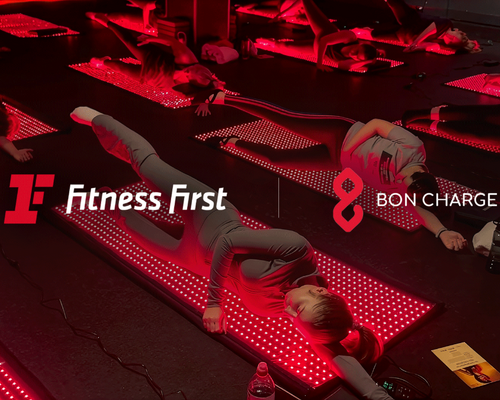
Fitness First adds red light therapy to relaxation classes
Fitness First adds red light therapy to relaxation classes   08 Jun 2026

Fitness First UK is integrating red light therapy into its yoga and Pilates classes through a partnership with Bon Charge.

....
more>>
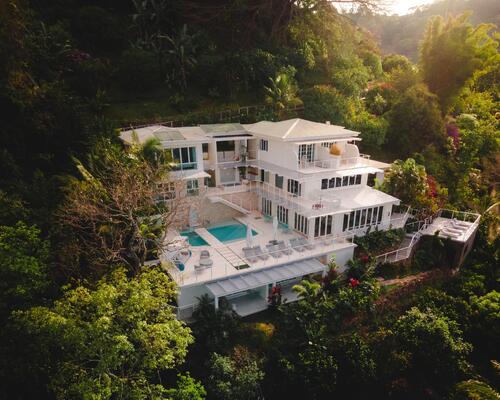
The Retreat Costa Rica debuts Vida Mía Longevity Centre
The Retreat Costa Rica debuts Vida Mía Longevity Centre   07 Jun 2026

Luxury wellness resort, The Retreat Costa Rica, has introduced its Vida Mía Longevity Centre at the property’s Vida Mía Healing Centre and .... more>>

Company profile


Spa Supply Solutions

Founded in 2014 by spa management expert Julie Bevilacqua, Spa Supply Solutions is a leader in spa procurement and consulting, driven by a commitment to excellence and innovation.

View full profile>>

Catalogue gallery


Featured Supplier

Endospheres' new protocols are designed to meet real client needs

Endospheres' new protocols are designed to meet real client needs

Spa professionals see it every day: clients are arriving with more complex expectations. More>>


in this issue

• Virgin gets right to wipe out rent arrears
• Fitness industry mourns passing of Jan Spaticchia
• STA offers mindfulness resources


Latest jobs

Jobs Search


Membership Advisor
Salary: Competitive salary plus commission & benefits
Location: Market Rasen
Company: Everyone Active
Customer Service Advisor
Salary: Competitive
Location: Market Rasen
Company: Everyone Active
GP Exercise Referral Instructor
Salary: £33,000pa + benefits
Location: Harrow
Company: Everyone Active
Diary dates
Powered by leisurediary.com

09-11 Jun 2026

World Sauna Forum 2026

Savutuvan Apaja, Haapaniemi, Finland


Published by Leisure Media Tel: +44 (0)1462 431385 | Contact us | About us | © Cybertrek Ltd