NEWS
Should Olympic stadiums be recognised with Unesco world heritage status?
POSTED 18 Oct 2016 . BY Kim Megson
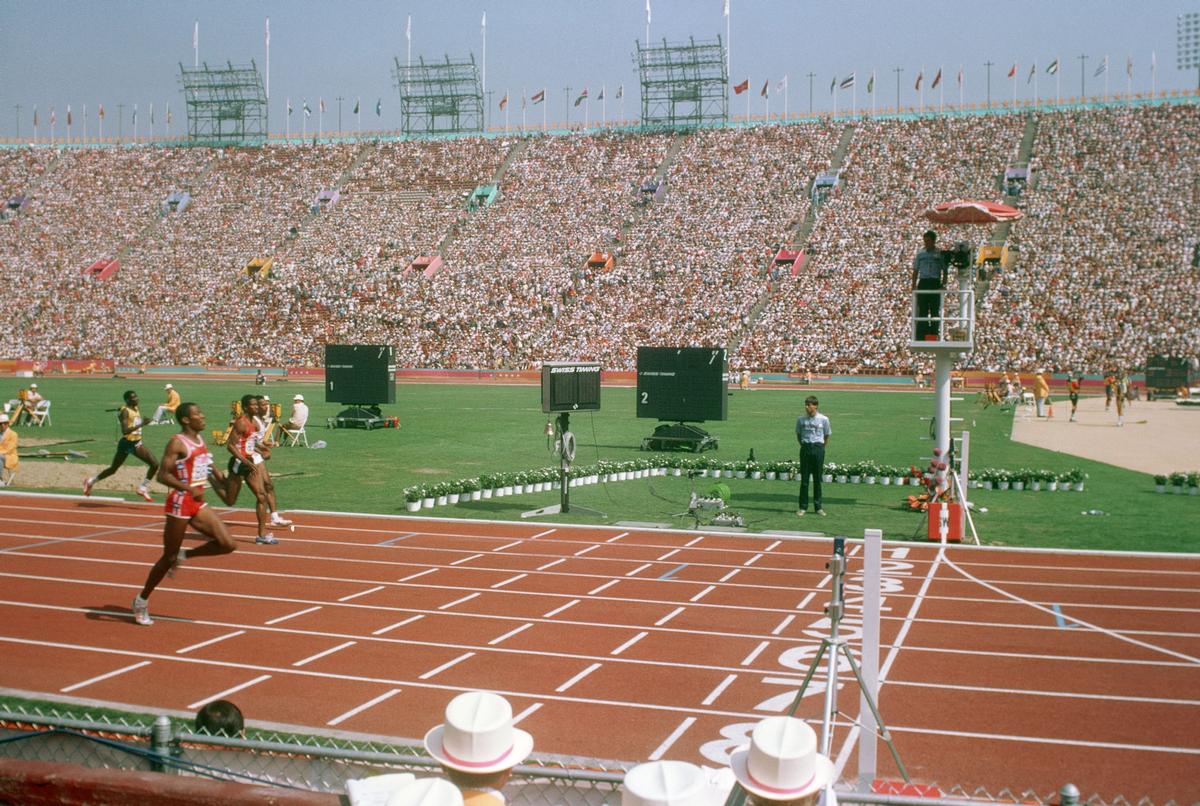
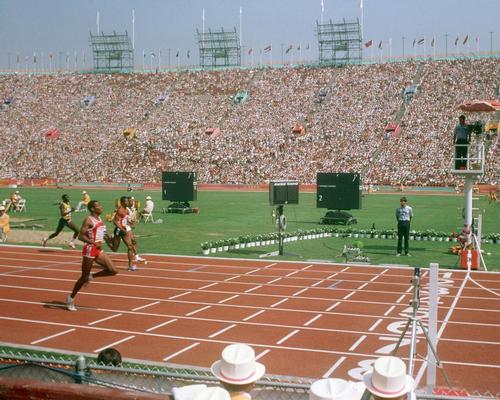
Architect and stadium specialist Dr Miranda Kiuri believes venues such as LA's Olympic stadium should be recognised for their tangible and intangible cultural value Credit: Ken Hackman
Heritage buildings have a place in the public memory and stir an emotion. This is true of Olympic stadiums, so they merit recognition and protection.
– Dr Miranda Kiuri
Olympic stadiums and facilities should be protected with their own cultural heritage listing, a leading member of the International Association for Sport and Leisure Facilities (IAKS) has argued.

Speaking at the Olympic Museum’s new stadium design exhibition in Lausanne, Dr Miranda Kiuri, who is also an architect and researcher at the University of Liege, called on Unesco to introduce a new listing category for stadiums that have a strong cultural, physical and sporting significance.

“It’s very important to recognise the cultural heritage profile and potential of Olympic stadiums and emblematic Olympic architecture,” she told Sports Management. “I’d like to see architects work together with the Olympic movement, experts, academics and Unesco to consider the creation of a special sporting heritage label.

“The terms ‘cultural heritage’ and ‘world cultural heritage’ come with a very high level of recognition. Heritage buildings have a place in the public memory and stir an emotion. This is true of Olympic stadiums, so they merit recognition and protection.

“For some stadiums you have to consider both their tangible and intangible heritage value. Every stadium can tell us an important and insightful story. For example, the Los Angeles stadium is maybe not the most beautiful, but it's very interesting that is was declared a national cultural heritage building to celebrate the second Olympics hosted in the city. As a rare stadium to host two Games, it has intangible value.”

Kiuri said if they were given a listing, it would be easier for the 25 existing Olympic stadiums to promote different programmes, both sporting and touristic, and to create network between them. “This would allow us to identify some common problems they experienced, such as with hosting opening and closing ceremonies, so we could learn for the future of stadium building,” she added. “A listings criteria could encourage more efficient and sustainable Olympic buildings in the future.”

Kiuri also argues that a Unesco listing would aid the preservation of historic stadiums and make sure that future renovations of old sports facilities are dealt with carefully and responsibly.

“At the moment there are some controversies about reconstruction,” she said. “For example, there was a lot of debate before the World Cup in Brazil about how to modernise the Maracanã Stadium and how to preserve its national cultural heritage. Eventually they maintained only the facade, but the roof and seating bowl was changed.

“If we start to promote cultural heritage programmes and a stadium listing, the process of making such modifications and renovations will be clearer.”

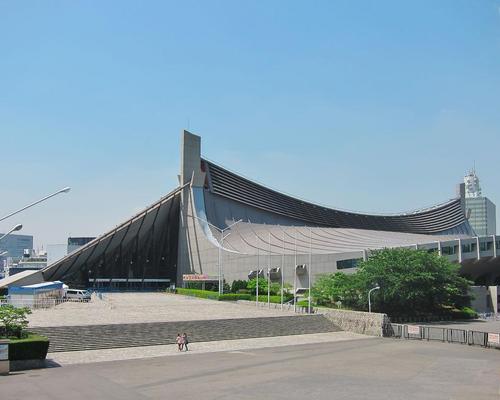
Kiuri is not alone in her campaign. A group of Japanese architects, including Fumihiko Maki and Kengo Kuma, recently began petitioning UNESCO to recognise the gymnasium building designed by Kenzo Tange for the 1964 Tokyo Olympics on its World Cultural Heritage list before the Games return to the city in 2020.
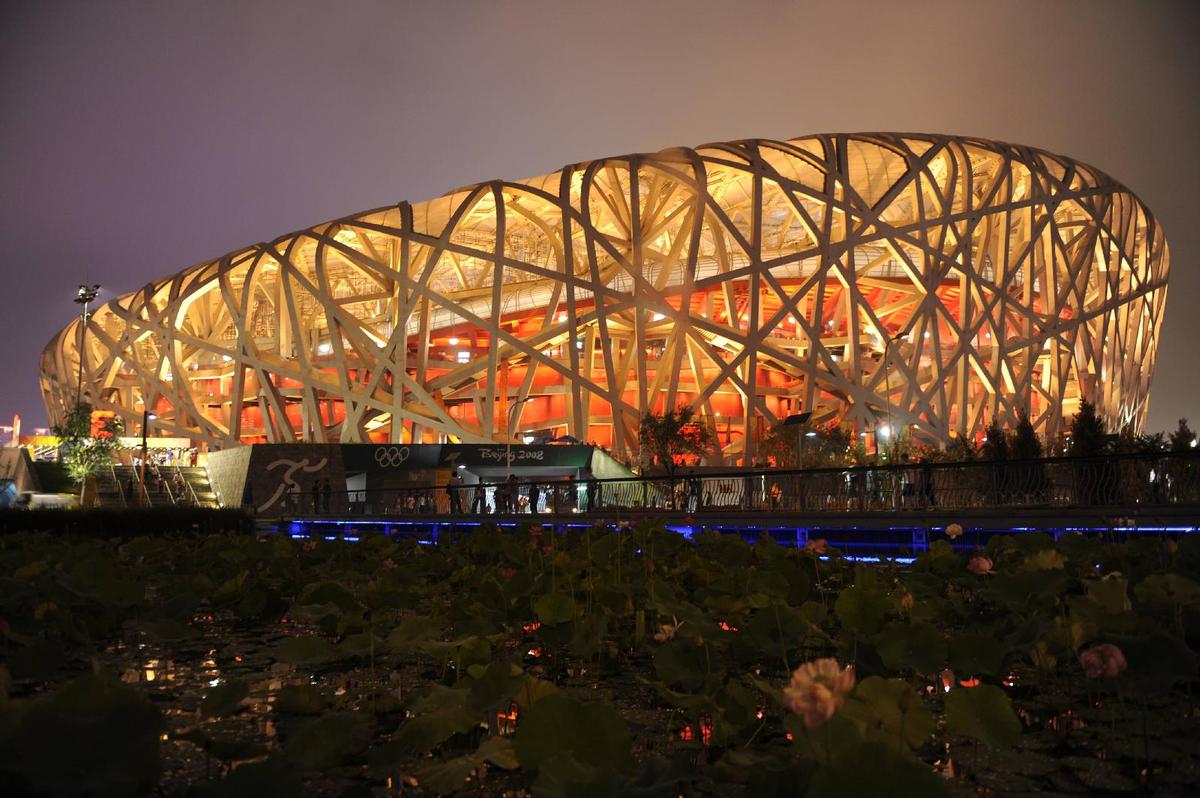
Herzog and de Meuron's Bird's Nest in Beijing is among the 25 existing Olympic stadiums that campaginers believe should receive UNESCO listing Credit: Olympic Museum
RELATED STORIES
  How do you design an Olympic stadium? New exhibition explores style, structures and sustainability


The design and engineering of Olympic stadiums is the focus of a temporary exhibition opening today (13 October) at The Olympic Museum in Lausanne, Switzerland.
  FEATURE: Interview: Kengo Kuma


The Tokyo Olympic Stadium designer shares his philosophies
  Defiant Kuma's Tokyo Olympic Stadium granted green light


The Japanese government has approved a 150bn yen ($1.5bn) contract allowing work to begin on Kengo Kuma’s 2020 Tokyo Olympic Stadium.
  Maki and Kuma campaign for Tokyo gymnasium to receive UNESCO recognition


A group of Japanese architects, including Fumihiko Maki and Kengo Kuma, are petitioning UNESCO to recognise the gymnasium building designed by Kenzo Tange for the 1964 Tokyo Olympics on its World Cultural Heritage list.


CONTACT US

Leisure Media
Tel: +44 (0)1462 431385

©Cybertrek 2026

ABOUT LEISURE MEDIA
LEISURE MEDIA MAGAZINES
LEISURE MEDIA HANDBOOKS
LEISURE MEDIA WEBSITES
LEISURE MEDIA PRODUCT SEARCH
PRINT SUBSCRIPTIONS
FREE DIGITAL SUBSCRIPTIONS
 
Leisure Management - Should Olympic stadiums be recognised with Unesco world heritage status?...
15 Jun 2026 Leisure Management: daily news and jobs
 
 
HOME
JOBS
NEWS
FEATURES
PRODUCTS
FREE DIGITAL SUBSCRIPTION
PRINT SUBSCRIPTION
ADVERTISE
CONTACT US
Sign up for FREE ezine
Latest news

18 Oct 2016

Should Olympic stadiums be recognised with Unesco world heritage status?
BY Kim Megson

Architect and stadium specialist Dr Miranda Kiuri believes venues such as LA's Olympic stadium should be recognised for their tangible and intangible cultural value

Architect and stadium specialist Dr Miranda Kiuri believes venues such as LA's Olympic stadium should be recognised for their tangible and intangible cultural value
photo: Ken Hackman

Olympic stadiums and facilities should be protected with their own cultural heritage listing, a leading member of the International Association for Sport and Leisure Facilities (IAKS) has argued.

Speaking at the Olympic Museum’s new stadium design exhibition in Lausanne, Dr Miranda Kiuri, who is also an architect and researcher at the University of Liege, called on Unesco to introduce a new listing category for stadiums that have a strong cultural, physical and sporting significance.

“It’s very important to recognise the cultural heritage profile and potential of Olympic stadiums and emblematic Olympic architecture,” she told Sports Management. “I’d like to see architects work together with the Olympic movement, experts, academics and Unesco to consider the creation of a special sporting heritage label.

“The terms ‘cultural heritage’ and ‘world cultural heritage’ come with a very high level of recognition. Heritage buildings have a place in the public memory and stir an emotion. This is true of Olympic stadiums, so they merit recognition and protection.

“For some stadiums you have to consider both their tangible and intangible heritage value. Every stadium can tell us an important and insightful story. For example, the Los Angeles stadium is maybe not the most beautiful, but it's very interesting that is was declared a national cultural heritage building to celebrate the second Olympics hosted in the city. As a rare stadium to host two Games, it has intangible value.”

Kiuri said if they were given a listing, it would be easier for the 25 existing Olympic stadiums to promote different programmes, both sporting and touristic, and to create network between them. “This would allow us to identify some common problems they experienced, such as with hosting opening and closing ceremonies, so we could learn for the future of stadium building,” she added. “A listings criteria could encourage more efficient and sustainable Olympic buildings in the future.”

Kiuri also argues that a Unesco listing would aid the preservation of historic stadiums and make sure that future renovations of old sports facilities are dealt with carefully and responsibly.

“At the moment there are some controversies about reconstruction,” she said. “For example, there was a lot of debate before the World Cup in Brazil about how to modernise the Maracanã Stadium and how to preserve its national cultural heritage. Eventually they maintained only the facade, but the roof and seating bowl was changed.

“If we start to promote cultural heritage programmes and a stadium listing, the process of making such modifications and renovations will be clearer.”

Kiuri is not alone in her campaign. A group of Japanese architects, including Fumihiko Maki and Kengo Kuma, recently began petitioning UNESCO to recognise the gymnasium building designed by Kenzo Tange for the 1964 Tokyo Olympics on its World Cultural Heritage list before the Games return to the city in 2020.




Connect with
Leisure Management
Magazine:
View issue contents
Sign up:
Instant Alerts/zines

Print edition
 

News headlines
Fitness Worx introduces blood testing
Fitness Worx introduces blood testing   15 Jun 2026

Independent operator, Fitness Worx Gyms, is introducing private blood testing as a service to members.
....
more>>
Global industry organisations join forces to call for physical activity to be embedded into GLP-1 care pathways
Global industry organisations join forces to call for physical activity to be embedded into GLP-1 care pathways   15 Jun 2026

International industry lobbying associations are calling for physical activity and strength training to be deeply integrated with GLP-1 .... more>>

Barons Eden rebrands to Hiddenwell ahead of spa hotel portfolio expansion
Barons Eden rebrands to Hiddenwell ahead of spa hotel portfolio expansion   15 Jun 2026

Barons Eden, the UK parent company that operates luxury destination properties in England, has rebranded to become .... more>>

Les Mills calls on the industry to support UNICEF
Les Mills calls on the industry to support UNICEF   12 Jun 2026

Global group exercise specialist, Les Mills, is inviting operators to sign up to its Workout for the World event on 20 June, in support of .... more>>

Belgin Aksoy marks 15 years of Global Wellness Day
Belgin Aksoy marks 15 years of Global Wellness Day   12 Jun 2026

Global Wellness Day (GWD) marked its 15th anniversary on Saturday 13 June 2026, with the theme: #JoyMagenta – a celebration of the healing .... more>>

HUM2N launches longevity clinic at Six Senses London
HUM2N launches longevity clinic at Six Senses London   12 Jun 2026

Global luxury hospitality brand, Six Senses, has partnered with longevity healthcare provider, HUM2N, to launch a clinic at Six Senses London, at .... more>>

Company profile


Hydrafacial

Founded in 1997, Hydrafacial has grown to become one of the world’s leading skin health brands.

View full profile>>

Catalogue gallery


Featured Supplier

Glow beyond protection: meet Comfort Zone Hydramemory Hybrid Glow SPF 30

Glow beyond protection: meet Comfort Zone Hydramemory Hybrid Glow SPF 30

Sun protection is no longer just about shielding the skin – it's about enhancing it. More>>


in this issue

• Virgin gets right to wipe out rent arrears
• Fitness industry mourns passing of Jan Spaticchia
• STA offers mindfulness resources


Latest jobs

Jobs Search


Community Activator Coach Apprentice
Salary: 16,686
Location: Stowmarket, Suffolk
Company: Everyone Active
Membership Advisor
Salary: Competitive salary plus commission & benefits
Location: Market Rasen
Company: Everyone Active
Customer Service Advisor
Salary: Competitive
Location: Market Rasen
Company: Everyone Active
Diary dates
Powered by leisurediary.com

15-18 Jun 2026

HLTH Europe

RAI Convention Centre, Amsterdam, Netherlands


Published by Leisure Media Tel: +44 (0)1462 431385 | Contact us | About us | © Cybertrek Ltd