NEWS
Panel examines the future of healthy building
POSTED 01 Nov 2016 . BY Jane Kitchen
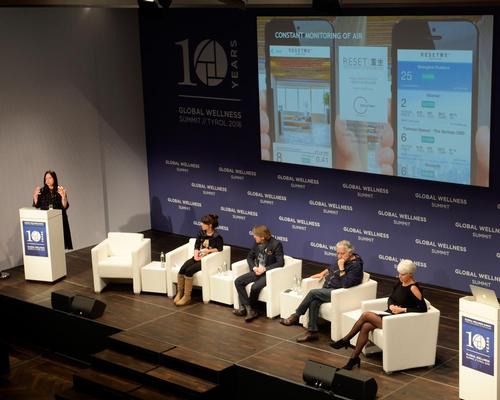
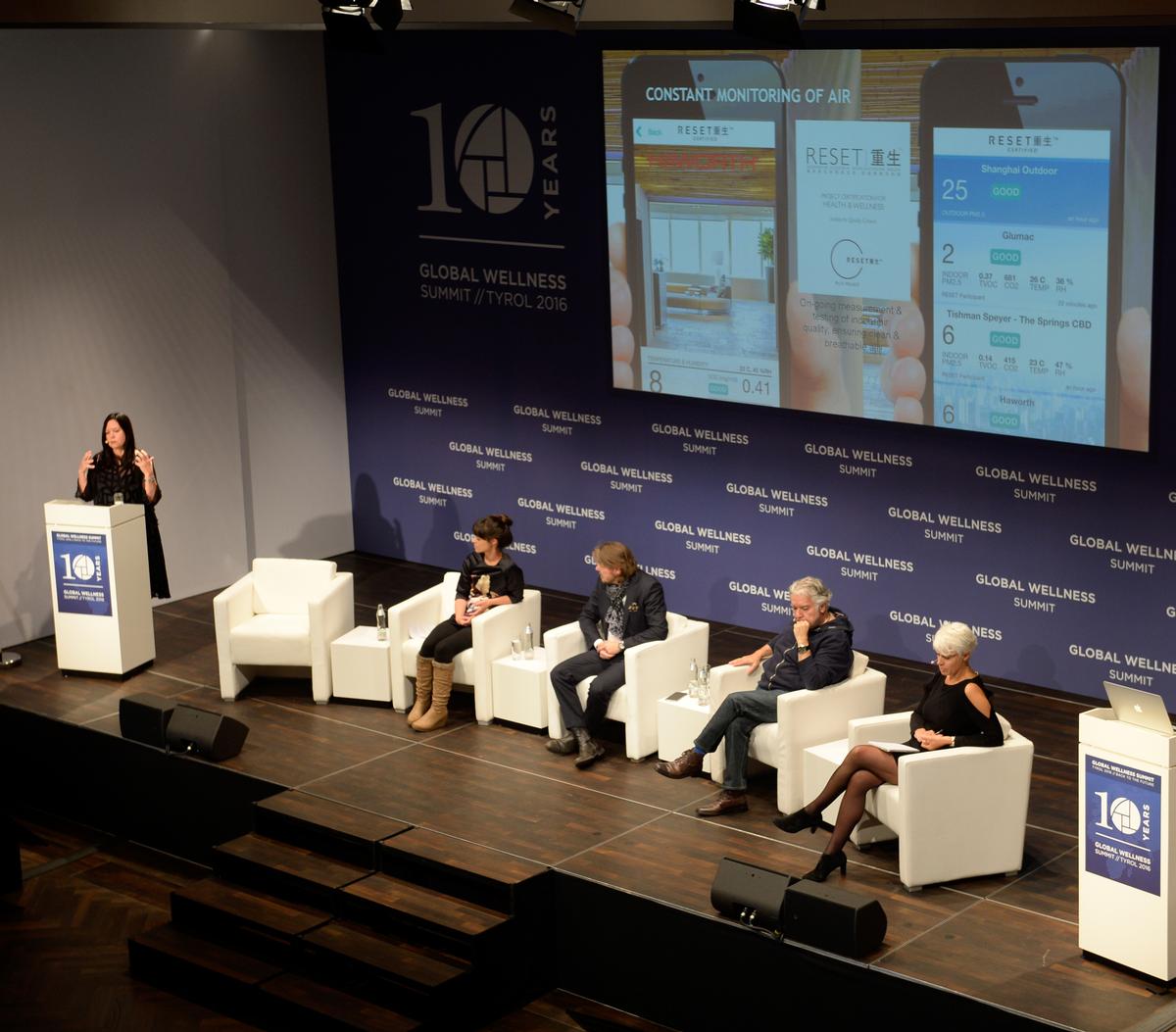
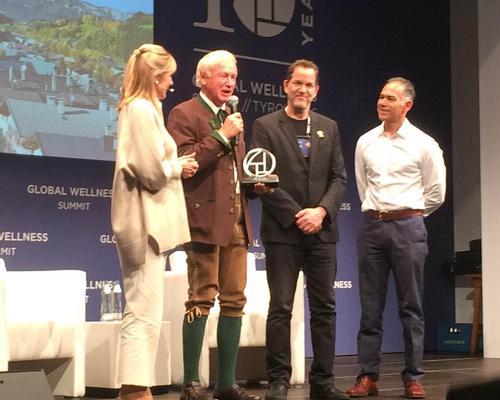
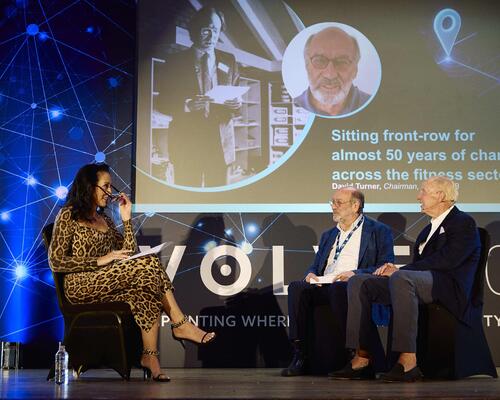
Arup's Ann-Marie Aguilar (far left) said personal pollution sensors will change the way real estate is valued.
Wellness in architecture was a key topic at the Global Wellness Summit in Austria last month, as a panel featuring two health and wellbeing specialists from global architecture and engineering firm Arup took the stage to discuss the ways in which building design affects everything from health to mood – and how quickly the space is changing.

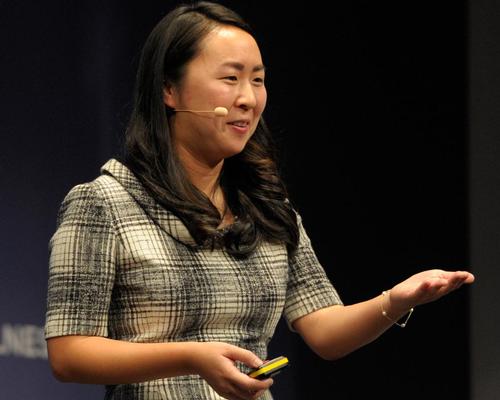
Spa Business and Spa Opportunities editorial director Liz Terry moderated the panel, which featured Ann Marie Aguilar, who is associate director at Arup and also works in international relations for the International WELL Building Institute; and Vicki Lockhart, a senior specialist in health and wellbeing at Arup.

Terry opened the session by detailing the importance of the subject matter for the spa industry.

“This matters to every one of you,” said Terry, who is also editor of leisure architecture and design publication CLAD. “All of you rely on there being a building of some kind in order to do your business. We spend millions creating these facilities, and we need to be sure that they’re not only fit for purpose now, but also for tomorrow and the lifetime of the building.”

Terry painted a picture of the not-so-distant future, when people carrying personal pollution sensors will refuse to enter buildings if they’re toxic, rendering the real estate valueless.

“Indoor air is even more toxic than outdoor air – and for people who run spa and wellness facilities, that’s a huge issue,” said Terry.

Aguilar detailed how indoor air quality is ranked as one of the world’s greatest public health risks, with off-gassing from furniture, sealants, paints and fabric adding invisible pollution to the spaces we live and work.

“It’s very concerning that we don’t measure this,” she said. “...Even the slightest change in air quality has an immediate effect both on a person’s health and their ability to concentrate.”

And while a move towards green design has made for improved sustainability and energy efficiency, often energy-saving measures like sealing windows can have a negative impact on indoor air quality.

“We can’t just focus on sustainability, and we can’t just focus on health and wellbeing – the two need to be intrinsically tied together,” said Aguilar.

She looked at examples of healthy building, including a living building that includes an algae facade that grows its own energy; outdoor paint that traps and absorbs air pollution; a filtration media that can be installed in an HVAC system; and drywall that absorbs VOCs and chemicals from the air.

Aguilar advised owners and operators to get together a list of toxic materials that they refuse to put in their buildings, and to look for alternative materials.

“If you want a healing environment, you need to provide that for your guests all the way through,” she said.

Lockhart then looked at the ways technology is helping to build a new generation of buildings – by establishing accurately how they affect the people who use them.

Arup has developed a Sound Lab that can create the acoustic performance of a building before it’s built, so clients can experience what it will sound like – a huge boon for architects designing things like retreats, where sound is of the utmost importance, and also useful in the wider world for the likes of large-scale retail, residential or rail projects, where noise pollution is a potential disruptor.

Arup is also using virtual reality (VR) to find out how people react to spaces before they’re built, and Lockhart presented a video that explained how this works.

The team at Arup wire people up with biometric sensors and then – using VR headsets – immerse them in different environments, some proposed and rendered in virtual format and some existing and shown photographically.

Arup can then measure people’s physiological response to the environments, enabling rapid prototyping of buildings before construction.

“We no longer have to be neuroscientists to understand how people are perceiving different environments,” said Lockhart. “Ultimately, the VR process will enable architects to design in the customer reaction they want for a space by better understanding the way people respond to it.

“The VR system enables architects to see people’s physiological response and what their body is actually responding to. This makes it possible to iterate much more quickly through different design elements and understand what the impact is.”

RELATED STORIES
  Amazon subsidiary reveals interest in wellness hotels


In a talk at the Global Wellness Summit last week, Maggie Hsu, advisor to online clothing company Zappos, hinted that the firm – which is owned by online giant Amazon – is eyeing up the wellness hospitality space.
  Linser: ‘There is a movement from doing to being’


Dr Franz Linser, CEO of Linser Hospitality, addressed the Global Wellness Summit in Kitzbuhel, Austria, yesterday, discussing ‘Wellness as it was meant to be.’
  Hauser, Schmitz honoured at GWS


Continuing with the event’s theme of ‘Back to the Future,’ two industry icons were honoured onstage at the Global Wellness Summit in Kitzbuhel, Austria yesterday.


CONTACT US

Leisure Media
Tel: +44 (0)1462 431385

©Cybertrek 2026

ABOUT LEISURE MEDIA
LEISURE MEDIA MAGAZINES
LEISURE MEDIA HANDBOOKS
LEISURE MEDIA WEBSITES
LEISURE MEDIA PRODUCT SEARCH
PRINT SUBSCRIPTIONS
FREE DIGITAL SUBSCRIPTIONS
 
Leisure Management - Panel examines the future of healthy building...
09 Jun 2026 Leisure Management: daily news and jobs
 
 
HOME
JOBS
NEWS
FEATURES
PRODUCTS
FREE DIGITAL SUBSCRIPTION
PRINT SUBSCRIPTION
ADVERTISE
CONTACT US
Sign up for FREE ezine
Latest news

01 Nov 2016

Panel examines the future of healthy building
BY Jane Kitchen

Arup's Ann-Marie Aguilar (far left) said personal pollution sensors will change the way real estate is valued.

Arup's Ann-Marie Aguilar (far left) said personal pollution sensors will change the way real estate is valued.

Wellness in architecture was a key topic at the Global Wellness Summit in Austria last month, as a panel featuring two health and wellbeing specialists from global architecture and engineering firm Arup took the stage to discuss the ways in which building design affects everything from health to mood – and how quickly the space is changing.

Spa Business and Spa Opportunities editorial director Liz Terry moderated the panel, which featured Ann Marie Aguilar, who is associate director at Arup and also works in international relations for the International WELL Building Institute; and Vicki Lockhart, a senior specialist in health and wellbeing at Arup.

Terry opened the session by detailing the importance of the subject matter for the spa industry.

“This matters to every one of you,” said Terry, who is also editor of leisure architecture and design publication CLAD. “All of you rely on there being a building of some kind in order to do your business. We spend millions creating these facilities, and we need to be sure that they’re not only fit for purpose now, but also for tomorrow and the lifetime of the building.”

Terry painted a picture of the not-so-distant future, when people carrying personal pollution sensors will refuse to enter buildings if they’re toxic, rendering the real estate valueless.

“Indoor air is even more toxic than outdoor air – and for people who run spa and wellness facilities, that’s a huge issue,” said Terry.

Aguilar detailed how indoor air quality is ranked as one of the world’s greatest public health risks, with off-gassing from furniture, sealants, paints and fabric adding invisible pollution to the spaces we live and work.

“It’s very concerning that we don’t measure this,” she said. “...Even the slightest change in air quality has an immediate effect both on a person’s health and their ability to concentrate.”

And while a move towards green design has made for improved sustainability and energy efficiency, often energy-saving measures like sealing windows can have a negative impact on indoor air quality.

“We can’t just focus on sustainability, and we can’t just focus on health and wellbeing – the two need to be intrinsically tied together,” said Aguilar.

She looked at examples of healthy building, including a living building that includes an algae facade that grows its own energy; outdoor paint that traps and absorbs air pollution; a filtration media that can be installed in an HVAC system; and drywall that absorbs VOCs and chemicals from the air.

Aguilar advised owners and operators to get together a list of toxic materials that they refuse to put in their buildings, and to look for alternative materials.

“If you want a healing environment, you need to provide that for your guests all the way through,” she said.

Lockhart then looked at the ways technology is helping to build a new generation of buildings – by establishing accurately how they affect the people who use them.

Arup has developed a Sound Lab that can create the acoustic performance of a building before it’s built, so clients can experience what it will sound like – a huge boon for architects designing things like retreats, where sound is of the utmost importance, and also useful in the wider world for the likes of large-scale retail, residential or rail projects, where noise pollution is a potential disruptor.

Arup is also using virtual reality (VR) to find out how people react to spaces before they’re built, and Lockhart presented a video that explained how this works.

The team at Arup wire people up with biometric sensors and then – using VR headsets – immerse them in different environments, some proposed and rendered in virtual format and some existing and shown photographically.

Arup can then measure people’s physiological response to the environments, enabling rapid prototyping of buildings before construction.

“We no longer have to be neuroscientists to understand how people are perceiving different environments,” said Lockhart. “Ultimately, the VR process will enable architects to design in the customer reaction they want for a space by better understanding the way people respond to it.

“The VR system enables architects to see people’s physiological response and what their body is actually responding to. This makes it possible to iterate much more quickly through different design elements and understand what the impact is.”


Connect with
Leisure Management
Magazine:
View issue contents
Sign up:
Instant Alerts/zines

Print edition
 

News headlines
Hoshino Resorts combats summer heat with medically-supervised cool bathing programme for KAI onsen
Hoshino Resorts combats summer heat with medically-supervised cool bathing programme for KAI onsen   09 Jun 2026

Hoshino Resorts has developed a “Cool-down onsen soak” programme at properties with Japanese onsen facilities – those within the company’s KAI .... more>>

Peloton signals potential move into reformer Pilates with Skōp acquisition
Peloton signals potential move into reformer Pilates with Skōp acquisition   09 Jun 2026

Peloton has made the strategic acquisition of Pilates start-up, Skōp, to support the expansion of its strength ecosystem.

....
more>>
Rainforest immersion and mindfulness are on offer at The Ritz-Carlton, Langkawi, for Global Wellness Day
Rainforest immersion and mindfulness are on offer at The Ritz-Carlton, Langkawi, for Global Wellness Day   09 Jun 2026

The Ritz-Carlton, Langkawi, in Malaysia, has revealed a schedule for Global Wellness Day (GWD) that includes guided rainforest walks, mindful .... more>>

Crunch Fitness creates more affordable reformer Pilates concept
Crunch Fitness creates more affordable reformer Pilates concept   09 Jun 2026

Crunch Fitness has announced the launch of Crunch Reform Pilates – its own reformer concept designed to bring this fast growing, but rather .... more>>

As the 20th State of the Industry Report is released, LeisureDB rebrands to Evolve
As the 20th State of the Industry Report is released, LeisureDB rebrands to Evolve   08 Jun 2026

The 20th State of the Industry Report from LeisureDB has revealed a resilient, expanding and competitive sector, the importance of .... more>>

Longevitix launches AI-powered platform to deliver longevity medicine at scale
Longevitix launches AI-powered platform to deliver longevity medicine at scale   08 Jun 2026

Longevitix, a clinical platform for preventive and longevity medicine, has launched its AI-powered intelligence system to help physicians deliver .... more>>

Company profile


Wynne Business Consulting and Education

Wynne Business, founded in 1998, specialises in creating, growing and fine- tuning spas, salons, wellness centres, hotel spas, fitness centres, and other beauty and health-related businesses.

View full profile>>

Catalogue gallery


Featured Supplier

CoverMe extends matching service to personal training, rewriting how members and personal trainers connect

CoverMe extends matching service to personal training, rewriting how members and personal trainers connect

CoverMe, the global leader in fitness workforce management, today launches CoverMe PT, an on-demand personal training platform that connects the right personal trainer to the right client in under 10 seconds. More>>


in this issue

• Virgin gets right to wipe out rent arrears
• Fitness industry mourns passing of Jan Spaticchia
• STA offers mindfulness resources


Latest jobs

Jobs Search


Membership Advisor
Salary: Competitive salary plus commission & benefits
Location: Market Rasen
Company: Everyone Active
Customer Service Advisor
Salary: Competitive
Location: Market Rasen
Company: Everyone Active
GP Exercise Referral Instructor
Salary: £33,000pa + benefits
Location: Harrow
Company: Everyone Active
Diary dates
Powered by leisurediary.com

09-11 Jun 2026

World Sauna Forum 2026

Savutuvan Apaja, Haapaniemi, Finland


Published by Leisure Media Tel: +44 (0)1462 431385 | Contact us | About us | © Cybertrek Ltd