NEWS
'Personal connection key for zoos', says expert psychologist
POSTED 21 Mar 2017 . BY Tom Anstey
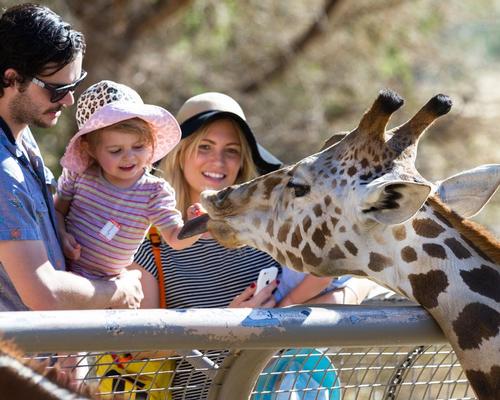
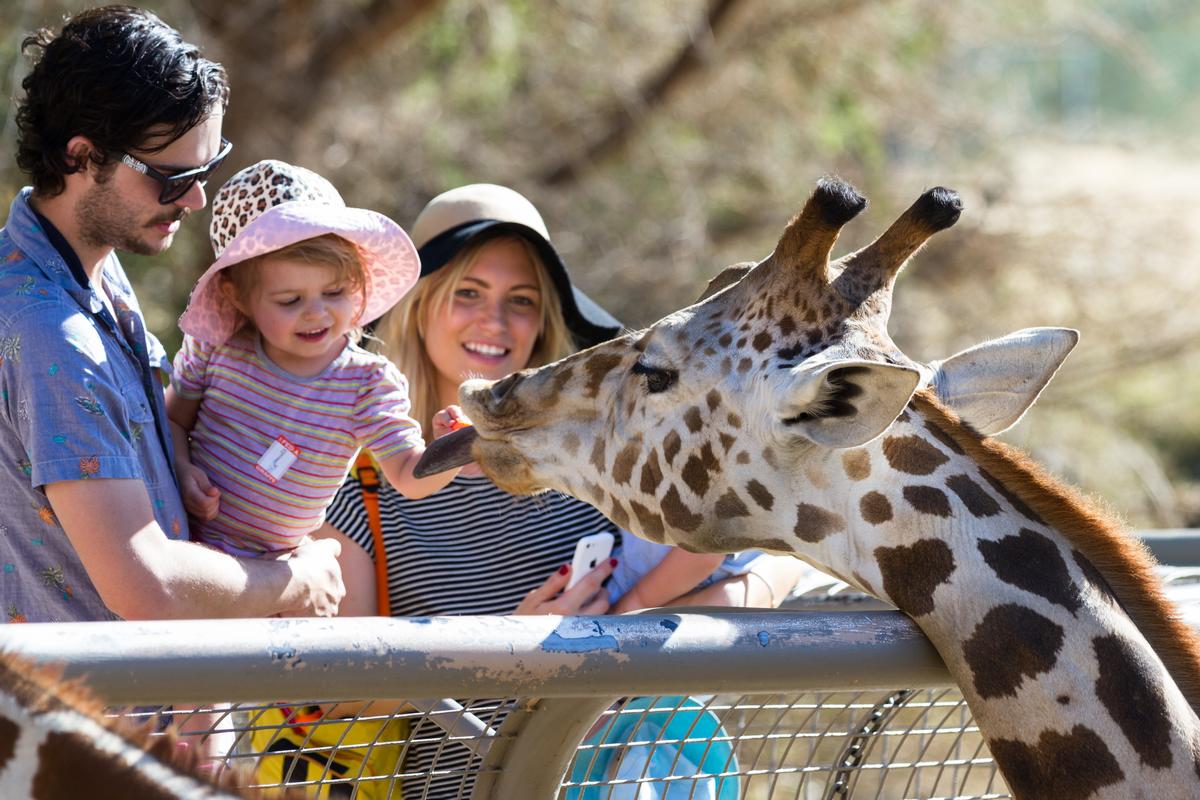
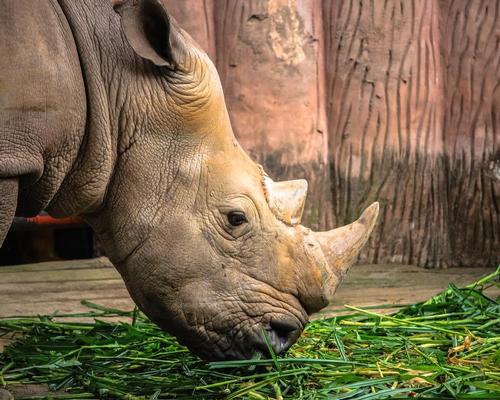
Clayton says a zoo visit is primarily a social experience Credit: Wollertz / Shutterstock.com
A leading academic in the fields of psychology and conservation has said that zoos need to foster a personal connection between guests and animals in order to encourage repeat visits and continued contributions to conservation efforts.

Delivering the keynote address at the European Association of Zoos and Aquaria’s (EAZA) European Zoo Educators Conference (EZE), Susan Clayton explained that creating the connection was crucial in encouraging zoo visitors to make contributions and understand conservation efforts made by zoos.

Clayton, who is professor of psychology and chair of environmental studies at the College of Wooster in Ohio, US, focuses her research on the human relationship with the natural world, how it is socially constructed, and how it can be utilised to promote environmental concern.

“From a psychological point of view, emotion is really important,” said Clayton. “It’s a signal to the brain to pay attention. Emotional experiences can have greater impact and they’re more likely to be recalled later and change the way we think about things.

“In studies of human relationships, perceived similarity is very important in predicting empathy. You might think of the immigration crisis for example. If you are perceived to have something in common, you're much more likely to empathise with their plight and are more likely to offer help.

“This statement is also true even for the relationship between human and animals. Perceived similarity has been found to be associated with a desire to help. Repeated experiences of connection can start to become stable for a longer sense of interest in the natural world.”

According to Clayton, creating a personal connection is only the first step, and that to promote behavioural change, zoos must look at why their visitors come to the zoo, which is primarily a social experience over coming to observe animals.

“When people are asked their primary reason to visit the zoo, only a third say the animals. You get people who want to spend a day with their family or spend a nice day outside for example. If you think about the zoo as a social experience, we can think about those social interactions that occur,” she said.

“When the visitor goes to the zoo, they look at and talk with each other about the animals they see, strengthening social bonds. The fact there is a group means you can create social norms.

“They can also talk about shared values,” she continued. “Saying something as simple as ‘look how beautiful that tiger is’ puts value on that tiger. If you say ‘I wish there were more tigers in the wild’, you’re saying it's important to protect these animals. There’s this opportunity for a social construction of environmental concern in the zoo.
Concluding her talk, Clayton encouraged attendees to encourage optimism within zoos, which in turn will increase personal connection.

“By providing this social context the zoo can give people a more positive optimism that it is possible to do something,” she said.

“I would encourage zoo operators to try and think more about ways in which they can increase people’s sense of connection to animals, wildlife and environmental issues in general. Encourage them to believe there is something they can do to make a difference.”
PROJECT PROFILE:

Taronga Zoo eco resort
Taronga Zoo in Sydney, Australia, is seeking permission to develop a AU$44m (US$32.1m, €29.6m, £21.3m) eco-resort inside the zoo in an effort to draw more international visitors to the harbourside attraction.


RELATED STORIES
  EAZA urges members to inspire trust with storytelling following rhino poaching zoo incident


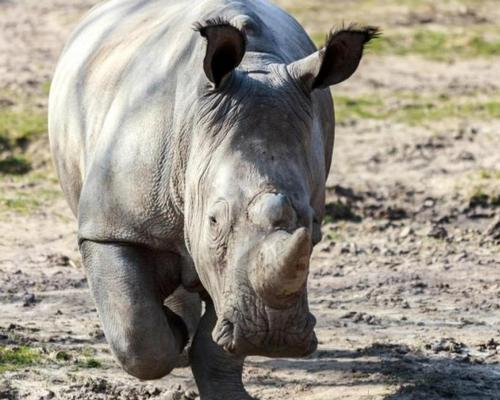
Columba de la Panouse – vice CEO of Parc Zoologique de Thoiry – has urged the zoo community to inspire trust among the general public following events which saw poachers break into the zoo and kill a white rhino for its horn.
  European Zoo Educators Conference comes to Paris


Delegates are heading to Paris ahead of the European Association of Zoos and Aquaria’s (EAZA) European Zoo Educators Conference (EZE), which kicks off in the French capital tomorrow (13 March) at Parc Zoologique De Paris.
  AZA speaks out after poachers kill captive white rhino for horn


The Association of Zoos and Aquariums (AZA) has condemned the actions of poachers who broke into a zoo just outside of Paris and killed a white rhino for its horn.
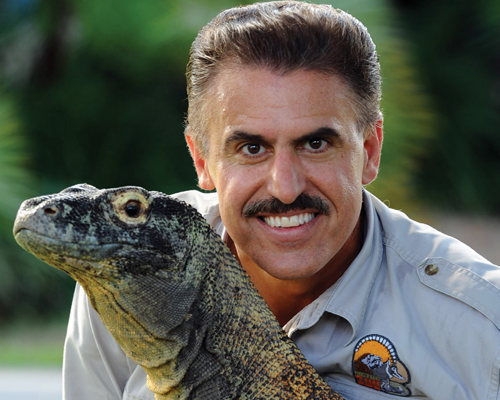
  FEATURE: People profile: Ron Magill


Zoo Miami’s Ron Magill gives the lowdown on the attraction’s new Florida: Mission Everglades zone


CONTACT US

Leisure Media
Tel: +44 (0)1462 431385

©Cybertrek 2026

ABOUT LEISURE MEDIA
LEISURE MEDIA MAGAZINES
LEISURE MEDIA HANDBOOKS
LEISURE MEDIA WEBSITES
LEISURE MEDIA PRODUCT SEARCH
PRINT SUBSCRIPTIONS
FREE DIGITAL SUBSCRIPTIONS
 
Leisure Management - 'Personal connection key for zoos', says expert psychologist ...
14 Jun 2026 Leisure Management: daily news and jobs
 
 
HOME
JOBS
NEWS
FEATURES
PRODUCTS
FREE DIGITAL SUBSCRIPTION
PRINT SUBSCRIPTION
ADVERTISE
CONTACT US
Sign up for FREE ezine
Latest news

21 Mar 2017

'Personal connection key for zoos', says expert psychologist
BY Tom Anstey

Clayton says a zoo visit is primarily a social experience

Clayton says a zoo visit is primarily a social experience
photo: Wollertz / Shutterstock.com

A leading academic in the fields of psychology and conservation has said that zoos need to foster a personal connection between guests and animals in order to encourage repeat visits and continued contributions to conservation efforts.

Delivering the keynote address at the European Association of Zoos and Aquaria’s (EAZA) European Zoo Educators Conference (EZE), Susan Clayton explained that creating the connection was crucial in encouraging zoo visitors to make contributions and understand conservation efforts made by zoos.

Clayton, who is professor of psychology and chair of environmental studies at the College of Wooster in Ohio, US, focuses her research on the human relationship with the natural world, how it is socially constructed, and how it can be utilised to promote environmental concern.

“From a psychological point of view, emotion is really important,” said Clayton. “It’s a signal to the brain to pay attention. Emotional experiences can have greater impact and they’re more likely to be recalled later and change the way we think about things.

“In studies of human relationships, perceived similarity is very important in predicting empathy. You might think of the immigration crisis for example. If you are perceived to have something in common, you're much more likely to empathise with their plight and are more likely to offer help.

“This statement is also true even for the relationship between human and animals. Perceived similarity has been found to be associated with a desire to help. Repeated experiences of connection can start to become stable for a longer sense of interest in the natural world.”

According to Clayton, creating a personal connection is only the first step, and that to promote behavioural change, zoos must look at why their visitors come to the zoo, which is primarily a social experience over coming to observe animals.

“When people are asked their primary reason to visit the zoo, only a third say the animals. You get people who want to spend a day with their family or spend a nice day outside for example. If you think about the zoo as a social experience, we can think about those social interactions that occur,” she said.

“When the visitor goes to the zoo, they look at and talk with each other about the animals they see, strengthening social bonds. The fact there is a group means you can create social norms.

“They can also talk about shared values,” she continued. “Saying something as simple as ‘look how beautiful that tiger is’ puts value on that tiger. If you say ‘I wish there were more tigers in the wild’, you’re saying it's important to protect these animals. There’s this opportunity for a social construction of environmental concern in the zoo.
Concluding her talk, Clayton encouraged attendees to encourage optimism within zoos, which in turn will increase personal connection.

“By providing this social context the zoo can give people a more positive optimism that it is possible to do something,” she said.

“I would encourage zoo operators to try and think more about ways in which they can increase people’s sense of connection to animals, wildlife and environmental issues in general. Encourage them to believe there is something they can do to make a difference.”


Connect with
Leisure Management
Magazine:
View issue contents
Sign up:
Instant Alerts/zines

Print edition
 

News headlines
Les Mills calls on the industry to support UNICEF
Les Mills calls on the industry to support UNICEF   12 Jun 2026

Global group exercise specialist, Les Mills, is inviting operators to sign up to its Workout for the World event on 20 June, in support of .... more>>

Belgin Aksoy prepares to mark 15 years of Global Wellness Day on Saturday 13 June
Belgin Aksoy prepares to mark 15 years of Global Wellness Day on Saturday 13 June   12 Jun 2026

Global Wellness Day (GWD) will mark its 15th anniversary on Saturday 13 June 2026, with the theme: #JoyMagenta – a celebration of the healing .... more>>

HUM2N opens longevity clinic at Six Senses London
HUM2N opens longevity clinic at Six Senses London   12 Jun 2026

Global luxury hospitality brand, Six Senses, has partnered with longevity healthcare provider, HUM2N, to launch a clinic at Six Senses London, at .... more>>

Mayrlife opens first hotel day clinic in partnership with Rosewood Vienna
Mayrlife opens first hotel day clinic in partnership with Rosewood Vienna   11 Jun 2026

As part of its first hotel partnership, Mayrlife – the medical health resort company known for its site in Altaussee, Austria – has launched a day .... more>>

KX Chelsea invests £15 million to upgrade its wellness offering
KX Chelsea invests £15 million to upgrade its wellness offering   10 Jun 2026

Premium London health club, KX Chelsea, is gearing up to unveil its most significant redevelopment since its launch in 2002.

....
more>>
Researchers identify a drug which reduces muscle loss when using GLP-1 medications
Researchers identify a drug which reduces muscle loss when using GLP-1 medications   10 Jun 2026

Researchers in the US have identified an antibody which could greatly reduce the loss of lean muscle mass in people who are taking weight-loss .... more>>

Company profile


We Work Well Inc

We Work Well is a global premier hosted buyer event company, connecting high-level executives from leading suppliers with pre-selected highly qualified buyers in the wellness and hospitality industries.

View full profile>>

Catalogue gallery


Featured Supplier

Glow beyond protection: meet Comfort Zone Hydramemory Hybrid Glow SPF 30

Glow beyond protection: meet Comfort Zone Hydramemory Hybrid Glow SPF 30

Sun protection is no longer just about shielding the skin – it's about enhancing it. More>>


in this issue

• Virgin gets right to wipe out rent arrears
• Fitness industry mourns passing of Jan Spaticchia
• STA offers mindfulness resources


Latest jobs

Jobs Search


Community Activator Coach Apprentice
Salary: 16,686
Location: Stowmarket, Suffolk
Company: Everyone Active
Membership Advisor
Salary: Competitive salary plus commission & benefits
Location: Market Rasen
Company: Everyone Active
Customer Service Advisor
Salary: Competitive
Location: Market Rasen
Company: Everyone Active
Diary dates
Powered by leisurediary.com

15-18 Jun 2026

HLTH Europe

RAI Convention Centre, Amsterdam, Netherlands


Published by Leisure Media Tel: +44 (0)1462 431385 | Contact us | About us | © Cybertrek Ltd