NEWS
After the pandemic: what will the European fitness sector look like?
POSTED 20 Apr 2020 . BY Tom Walker
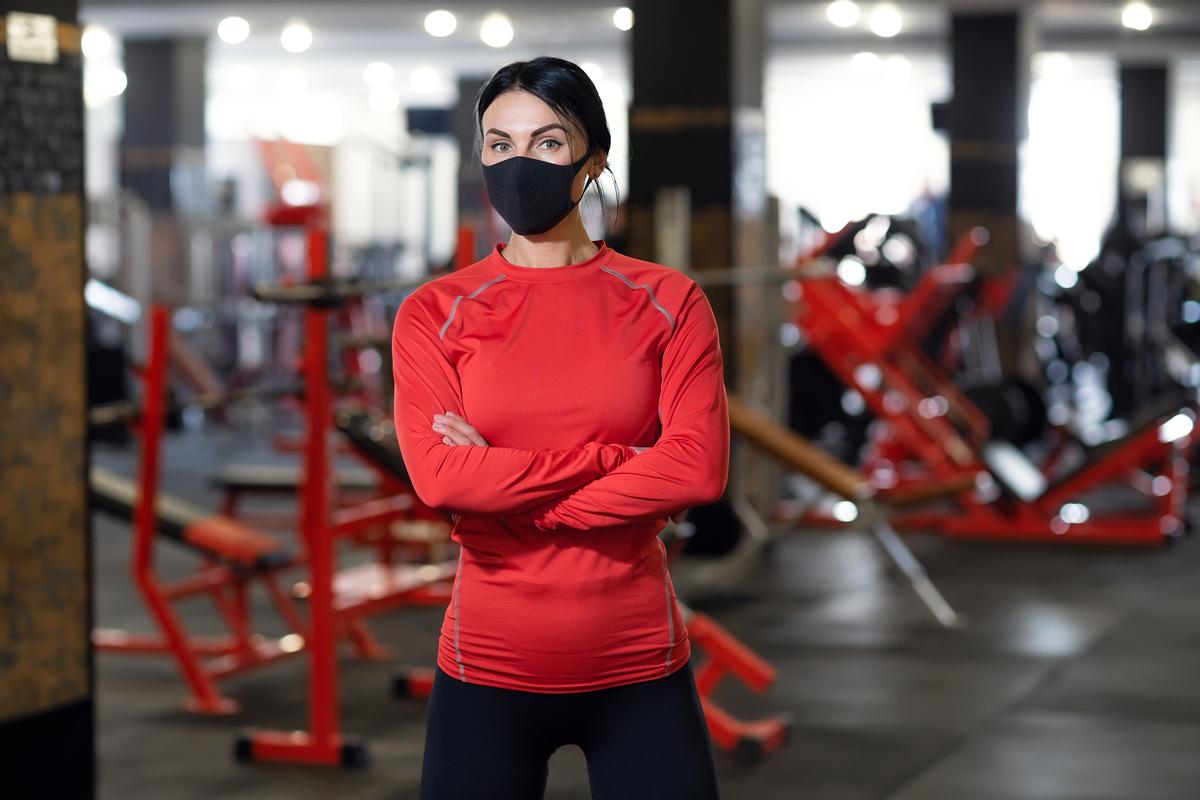
Gym environments could look very different once fitness operators are allowed to reopen their doors Credit: Shutterstock
Club closures, a squeeze on consumer spending and facilitating social distancing within a gym environment are just some of the issues European fitness operators are likely to face once the COVID-19 restrictions begin to lift.

In an article published today (20 April), industry veteran and EuropeActive board member Herman Rutgers outlines the new landscape that awaits the sector, once businesses are allowed to reopen their doors.

Although most European countries are still in lockdown, all are discussing how to restart their economies.

Once restrictions begin to be lifted, it will mean a return to business for fitness operators in most European countries. The exception being Sweden and Finland, where gyms have been allowed to keep their doors open throughout the pandemic.

The article – the third written by Herman Rutgers for EuropeActive's dedicated COVID-19 webpage – is based on recently published material from analysts such as Deloitte, McKinsey and The Economist, as well as conversations with leading international fitness CEOs.

"The future of our sector will not be black or white," Rutgers writes. "Rather, the tones of grey it will depend in which country you are and in what kind of segment of our sector you operate in.

"One thing is for sure; it will not be business as usual."

Asian example

According to his analysis, countries such as China, Singapore and South Korea– which are ahead of the curve regarding the stage of the pandemic – might offer some clues as to what the first steps out of a strict lockdown might look like.

In major cities, such as Shanghai, fitness clubs reopened in early April, but under restrictions and with government approval. Many, for example, have installed thermal scanners at their entrances and people with high temperatures are denied access.

The Alipay Health Code (AHC) – a compulsory method for those wanting to leave COVID-19-affected areas – is also proving effective at present in curbing the threat of a "second wave".

AHC is based on an app that allows users to track their health status using a simple colour code. Users who have been confirmed negative through testing have a green code and can move freely, while users with amber (not tested or test result pending) or red (tested positive for coronavirus) codes must go into quarantine for seven or 14 days, respectively.

Adapting to a new normal

Europe’s public-sector leaders are evaluating initiatives used in Asia in order to identify the best ideas, with the view of determining how to adapt them where appropriate.

"EuropeActive has been producing materials to support operators in these difficult times and will support operators and national associations in their public policy activities," Rutgers writes.

"In Germany, DSSV (the association of fitness facilities) has written a letter to Angela Merkel to ask for approval to reopen EuropeActive fitness facilities under certain conditions. Others to have made similar requests are NL Actief in The Netherlands, ANIF in Italy, FranceActive and the Belgian federation Fitness.be."

The most detailed request to reopen, however, has been submitted by European operator, Basic-Fit, which has provided detailed plans for safeguarding the health and safety of employees and customers.

The plans entail drawings of redesigned club layouts to ensure 1.5 meter distances between people at all times. They also include limitations on the number of people at one time per club and the closure of showers and locker rooms.

Rutgers says that the document could be used to help the wider industry, due to the operator making it available to all.

"Basic-Fit has been very kind to share this detailed document with EuropeActive and it has now been translated into English," he says.

The four main areas

In the report, Rutgers has provided predictions across four key areas: overall business environment, fitness operations, fitness consumer behaviour and the supply chain.

See below the main insights into what the future might hold. To download and read the full report, click here.

Overall business environment

1. Many countries will be in a recession, resulting in a squeeze on consumer spending – more people unemployed and with less disposable income

2. Business plans for 2020 and beyond will need to be revised; short- and long-term strategic reviews will take place

3. Companies will be in crisis mode for the foreseeable future

4. There will be fewer clubs and further consolidation; depending on the country, 10-15 per cent fewer clubs is an educated guess. Chain operators may take this opportunity to weed out loss-making locations and not reopen those at all

5. Obtaining financing will be more difficult and at a higher cost, as banks become more risk-averse

6. Companies will focus less on growth per se, but will focus more on stabilising their business, achieving profitable growth, working with more conservative balance sheets and improving cashflow

7. Companies will have to work with larger reserves to allow for bad debts

8. More attention will be paid to to costs and the fixed versus variable relationship will be more critical

9. Leadership; the great and good ones have already shown their capabilities in a storm (or not)

10. Brand Image; Some operators have dealt with this situation very well and gained sympathy and brand loyalty; others have lost it

11. Intermediaries will be severely hit

Fitness Operations

1. Digital developments were already on the radar, but lockdown accelerated implementation of more live streaming and on-demand content

2. Wearables could be used as an early warning for detection of coronavirus

3. Less pay-as-you-go; innovative membership packages will emerge

4. Layoffs and small operators closing their business offer opportunities to search for talent for the surviving clubs

5. During lockdown, teams learned how to work together at a distance (and across departments and borders) and have engaged in agile working and as a result may have become stronger

6. Many operators have used the downtime to provide their staff with online educational programmes for upskilling and personal development

7. Reopening may not take place on a national level but be organised region by region, depending on the severity of prevalence of COVID-19

8. Hygiene will be vital – less physical contact, no handshaking (“namaste”), use of masks, cleaning of touchpoints of machines

9. Cleaning; more frequent and provide a supply of sanitisers, etc. This will also increase costs

10. Physical distancing – the 1.5 metre rule is here to stay, making it necessary to re-arrange machine layout in clubs

The fitness consumer
1. Biggest question; will the consumer have trust and confidence in going into a confined space to sweat and be close to other people in a group?

2. Will consumers go back to their pre-corona fitness routines?

3. Many consumers will have experienced for the first time home fitness during lockdown and may like it and want to continue using online fitness

4. Some will have developed the use of app and started to use more functionalities

5. Consumers will be more price-sensitive

6. There may be more sensitivities to engaging in longer-term contracts and more people will study the small print

7. Consumers may have developed a higher awareness for the health benefits of fitness

8. The will appreciate the social aspects of the sector more

9. Personalisation will become more important

Suppliers in the sector

1. Digital services providers are thriving

2. Online education is in higher demand

3. Home fitness equipment and accessories are doing well

4. Commercial equipment suppliers may have a tough 2020

5. Hygiene products are in high demand and short supply

6. Intermediaries and platforms are hurting; B2C ClassPass laid off around 22 per cent of its workforce, B2B Gympass 30 per cent (both corporate clients cutting budgets and clubs closed) and Mindbody laid off 30 per cent of its workforce
RELATED STORIES
  New research shows exercise could help people survive COVID-19


Regular exercise may reduce the risk of complications in people with COVID-19, as well as offering the potential for alternative treatment approaches, according to new research by professor Zhen Yan at the University of Virginia.
  European fitness associations expecting phased reopening 'within two months'


The European fitness industry is slowly beginning to prepare itself for the journey back to recovery, with most national associations expecting gyms and health clubs to begin reopening their doors within the next two months.
  IHRSA report: health club industry experienced record year prior to COVID-19 pandemic


The global health club industry was achieving record figures in a number of key indicators prior to the COVID-19 pandemic.


CONTACT US

Leisure Media
Tel: +44 (0)1462 431385

©Cybertrek 2026

ABOUT LEISURE MEDIA
LEISURE MEDIA MAGAZINES
LEISURE MEDIA HANDBOOKS
LEISURE MEDIA WEBSITES
LEISURE MEDIA PRODUCT SEARCH
PRINT SUBSCRIPTIONS
FREE DIGITAL SUBSCRIPTIONS
 
Leisure Management - After the pandemic: what will the European fitness sector look like?...
07 Jun 2026 Leisure Management: daily news and jobs
 
 
HOME
JOBS
NEWS
FEATURES
PRODUCTS
FREE DIGITAL SUBSCRIPTION
PRINT SUBSCRIPTION
ADVERTISE
CONTACT US
Sign up for FREE ezine
Latest news

20 Apr 2020

After the pandemic: what will the European fitness sector look like?
BY Tom Walker

Gym environments could look very different once fitness operators are allowed to reopen their doors

Gym environments could look very different once fitness operators are allowed to reopen their doors
photo: Shutterstock

Club closures, a squeeze on consumer spending and facilitating social distancing within a gym environment are just some of the issues European fitness operators are likely to face once the COVID-19 restrictions begin to lift.

In an article published today (20 April), industry veteran and EuropeActive board member Herman Rutgers outlines the new landscape that awaits the sector, once businesses are allowed to reopen their doors.

Although most European countries are still in lockdown, all are discussing how to restart their economies.

Once restrictions begin to be lifted, it will mean a return to business for fitness operators in most European countries. The exception being Sweden and Finland, where gyms have been allowed to keep their doors open throughout the pandemic.

The article – the third written by Herman Rutgers for EuropeActive's dedicated COVID-19 webpage – is based on recently published material from analysts such as Deloitte, McKinsey and The Economist, as well as conversations with leading international fitness CEOs.

"The future of our sector will not be black or white," Rutgers writes. "Rather, the tones of grey it will depend in which country you are and in what kind of segment of our sector you operate in.

"One thing is for sure; it will not be business as usual."

Asian example

According to his analysis, countries such as China, Singapore and South Korea– which are ahead of the curve regarding the stage of the pandemic – might offer some clues as to what the first steps out of a strict lockdown might look like.

In major cities, such as Shanghai, fitness clubs reopened in early April, but under restrictions and with government approval. Many, for example, have installed thermal scanners at their entrances and people with high temperatures are denied access.

The Alipay Health Code (AHC) – a compulsory method for those wanting to leave COVID-19-affected areas – is also proving effective at present in curbing the threat of a "second wave".

AHC is based on an app that allows users to track their health status using a simple colour code. Users who have been confirmed negative through testing have a green code and can move freely, while users with amber (not tested or test result pending) or red (tested positive for coronavirus) codes must go into quarantine for seven or 14 days, respectively.

Adapting to a new normal

Europe’s public-sector leaders are evaluating initiatives used in Asia in order to identify the best ideas, with the view of determining how to adapt them where appropriate.

"EuropeActive has been producing materials to support operators in these difficult times and will support operators and national associations in their public policy activities," Rutgers writes.

"In Germany, DSSV (the association of fitness facilities) has written a letter to Angela Merkel to ask for approval to reopen EuropeActive fitness facilities under certain conditions. Others to have made similar requests are NL Actief in The Netherlands, ANIF in Italy, FranceActive and the Belgian federation Fitness.be."

The most detailed request to reopen, however, has been submitted by European operator, Basic-Fit, which has provided detailed plans for safeguarding the health and safety of employees and customers.

The plans entail drawings of redesigned club layouts to ensure 1.5 meter distances between people at all times. They also include limitations on the number of people at one time per club and the closure of showers and locker rooms.

Rutgers says that the document could be used to help the wider industry, due to the operator making it available to all.

"Basic-Fit has been very kind to share this detailed document with EuropeActive and it has now been translated into English," he says.

The four main areas

In the report, Rutgers has provided predictions across four key areas: overall business environment, fitness operations, fitness consumer behaviour and the supply chain.

See below the main insights into what the future might hold. To download and read the full report, click here.

Overall business environment

1. Many countries will be in a recession, resulting in a squeeze on consumer spending – more people unemployed and with less disposable income

2. Business plans for 2020 and beyond will need to be revised; short- and long-term strategic reviews will take place

3. Companies will be in crisis mode for the foreseeable future

4. There will be fewer clubs and further consolidation; depending on the country, 10-15 per cent fewer clubs is an educated guess. Chain operators may take this opportunity to weed out loss-making locations and not reopen those at all

5. Obtaining financing will be more difficult and at a higher cost, as banks become more risk-averse

6. Companies will focus less on growth per se, but will focus more on stabilising their business, achieving profitable growth, working with more conservative balance sheets and improving cashflow

7. Companies will have to work with larger reserves to allow for bad debts

8. More attention will be paid to to costs and the fixed versus variable relationship will be more critical

9. Leadership; the great and good ones have already shown their capabilities in a storm (or not)

10. Brand Image; Some operators have dealt with this situation very well and gained sympathy and brand loyalty; others have lost it

11. Intermediaries will be severely hit

Fitness Operations

1. Digital developments were already on the radar, but lockdown accelerated implementation of more live streaming and on-demand content

2. Wearables could be used as an early warning for detection of coronavirus

3. Less pay-as-you-go; innovative membership packages will emerge

4. Layoffs and small operators closing their business offer opportunities to search for talent for the surviving clubs

5. During lockdown, teams learned how to work together at a distance (and across departments and borders) and have engaged in agile working and as a result may have become stronger

6. Many operators have used the downtime to provide their staff with online educational programmes for upskilling and personal development

7. Reopening may not take place on a national level but be organised region by region, depending on the severity of prevalence of COVID-19

8. Hygiene will be vital – less physical contact, no handshaking (“namaste”), use of masks, cleaning of touchpoints of machines

9. Cleaning; more frequent and provide a supply of sanitisers, etc. This will also increase costs

10. Physical distancing – the 1.5 metre rule is here to stay, making it necessary to re-arrange machine layout in clubs

The fitness consumer
1. Biggest question; will the consumer have trust and confidence in going into a confined space to sweat and be close to other people in a group?

2. Will consumers go back to their pre-corona fitness routines?

3. Many consumers will have experienced for the first time home fitness during lockdown and may like it and want to continue using online fitness

4. Some will have developed the use of app and started to use more functionalities

5. Consumers will be more price-sensitive

6. There may be more sensitivities to engaging in longer-term contracts and more people will study the small print

7. Consumers may have developed a higher awareness for the health benefits of fitness

8. The will appreciate the social aspects of the sector more

9. Personalisation will become more important

Suppliers in the sector

1. Digital services providers are thriving

2. Online education is in higher demand

3. Home fitness equipment and accessories are doing well

4. Commercial equipment suppliers may have a tough 2020

5. Hygiene products are in high demand and short supply

6. Intermediaries and platforms are hurting; B2C ClassPass laid off around 22 per cent of its workforce, B2B Gympass 30 per cent (both corporate clients cutting budgets and clubs closed) and Mindbody laid off 30 per cent of its workforce




Connect with
Leisure Management
Magazine:
View issue contents
Sign up:
Instant Alerts/zines

Print edition
 

News headlines
Almost half of spa survey respondents are unaware cancer is a disability and not adapting treatments is discrimination
Almost half of spa survey respondents are unaware cancer is a disability and not adapting treatments is discrimination   05 Jun 2026

A recent survey by the UK Spa Association (UKSA) into the industry’s approach to cancer care has revealed that almost half of participating .... more>>

Solmar Hotels and Resorts offers Temazcal ceremony for Global Wellness Day
Solmar Hotels and Resorts offers Temazcal ceremony for Global Wellness Day   05 Jun 2026

Mexican operator, Solmar Hotels and Resorts, is hosting a series of events in celebration of Global Wellness Day, including a Temazcal ceremony at .... more>>

Warner Bros Discovery collaborates on upcoming Pompeii attraction
Warner Bros Discovery collaborates on upcoming Pompeii attraction   05 Jun 2026

A new immersive attraction designed to transport visitors into the final hours of ancient Pompeii is preparing to open near the world-famous .... more>>

Nuffield Health says it will appeal after losing at employment tribunal
Nuffield Health says it will appeal after losing at employment tribunal   05 Jun 2026

Nuffield Health has told HCM that it takes its responsibilities towards its colleagues seriously and is committed to meeting all legal .... more>>

Mandarin Oriental announces standalone Mansions-branded residences for Abu Dhabi
Mandarin Oriental announces standalone Mansions-branded residences for Abu Dhabi   05 Jun 2026

Mandarin Oriental has announced a standalone residence brand, Mansions, which will debut at Emirates Palace, Mandarin Oriental Mansions, Abu Dhabi, .... more>>

Technogym and World Athletics team up to launch the Run X World Treadmill Championships

Technogym and World Athletics team up to launch the Run X World Treadmill Championships   05 Jun 2026

Technogym has announced the launch of the Run X World Treadmill Championship, the first world championship for running on connected treadmills over .... more>>

Company profile


Active IQ

Active IQ is the UK’s leading Ofqual-recognised Awarding Organisation for the Physical Activity sector.

View full profile>>

Catalogue gallery


Featured Supplier

Endospheres' new protocols are designed to meet real client needs

Endospheres' new protocols are designed to meet real client needs

Spa professionals see it every day: clients are arriving with more complex expectations. More>>


in this issue

• Virgin gets right to wipe out rent arrears
• Fitness industry mourns passing of Jan Spaticchia
• STA offers mindfulness resources


Latest jobs

Jobs Search


Membership Advisor
Salary: Competitive salary plus commission & benefits
Location: Market Rasen
Company: Everyone Active
Customer Service Advisor
Salary: Competitive
Location: Market Rasen
Company: Everyone Active
GP Exercise Referral Instructor
Salary: £33,000pa + benefits
Location: Harrow
Company: Everyone Active
Diary dates
Powered by leisurediary.com

09-11 Jun 2026

World Sauna Forum 2026

Savutuvan Apaja, Haapaniemi, Finland


Published by Leisure Media Tel: +44 (0)1462 431385 | Contact us | About us | © Cybertrek Ltd