NEWS
Benefits of aerobic exercise may be lost in those with increased blood sugar levels
POSTED 18 Aug 2020 . BY Tom Walker
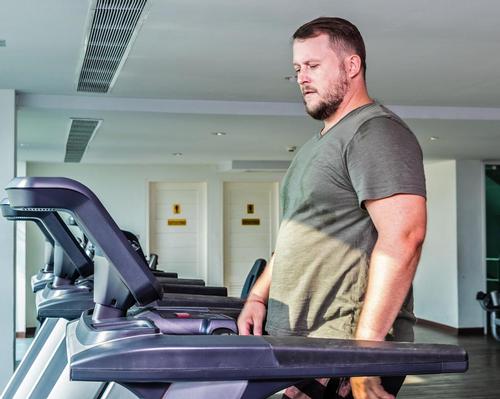
According to the researchers, the results strengthen the view that diet and exercise should not be treated as separate ways to improve health Credit: Shutterstock.com/EvMedvedeva
Research has suggested that some of the benefits of aerobic exercise may be reduced by higher-than-normal blood sugar levels – a condition known as hyperglycemia.

A team of scientists at Joslin Diabetes Center in Boston, US propose that high levels of blood sugar may prevent muscle remodeling in part by modifying the “extracellular matrix” proteins in the space between the muscle cells, where blood vessels are formed.

According to the researchers, the results strengthen the view that diet and exercise should not be treated as separate ways to improve health – as there is "more interaction between these two lifestyle factors than what was previously known".

Previous clinical studies have demonstrated that people with diabetes or chronically high levels of blood sugar struggle to improve their aerobic exercise capacity compared to people with normal blood sugar levels.

For the research, the team at Joslin studied two groups. The first consumed a Western diet, high in sugar and saturated fat, which caused some weight gain in addition to hyperglycemia.

The other group was modified to produce less insulin, which caused similar increases in blood sugar as the Western diet, even though the subjects ate a diet lower in sugar and fat and maintained normal body weight.

Both groups were subjected to a training protocol to boost their aerobic fitness.

In both hyperglycemic groups, the subjects failed to improve their aerobic exercise capacity compared to those with lower blood sugar levels.

In follow-up clinical tests with young adult volunteers, the Joslin scientists found that those who had higher blood sugar levels in response to ingesting glucose, a condition known as impaired glucose tolerance, showed the lowest aerobic exercise capacity.

The research was led by Joslin's Sarah Lessard, who has previously demonstrated that a biological pathway known as the “JNK” signaling pathway can act as a kind of molecular switch to tell muscle cells to adapt to either aerobic or strength training.

The scientists found that the JNK pathway signals were getting crossed in those with hyperglycemia, by activating pathways associated with strength training, even though they were performing aerobic exercise.

“As a result, the muscles of those with hyperglycemia have bigger fibers and fewer blood vessels, which is more typical of strength training, rather than aerobic training,” Lessard said.

Lessard's team also conducted follow-up clinical tests with young adult volunteers, which found that those who had higher blood sugar levels in response to ingesting glucose, a condition known as impaired glucose tolerance, showed the lowest aerobic exercise capacity.

“Looking at how their muscles responded to a single bout of typical aerobic exercise, we also saw that those with the lowest glucose tolerance had the highest activation of the JNK signalling pathway, which blocks aerobic adaptations,” Lessard added.

“The good news is, however, that although those with hyperglycemia failed to improve aerobic fitness with training, they still achieved other important health benefits from the exercise, including decreased fat mass and improved glucose metabolism.

“So, regular aerobic exercise is still a key recommendation for maintaining health in people with or without hyperglycemia.

"And it is important to note that people with hyperglycemia also can benefit from other forms of exercise, such as strength training, which is recommended for maintaining health."

Overall, the study suggests several approaches that might help people with chronic hyperglycemia eventually overcome the obstacles to building aerobic capacity. One is to adopt a diet designed to keep blood sugar levels low. Another is to take existing diabetes drugs designed to keep blood sugar levels in normal ranges.

“We often think of diet and exercise as separate ways to improve our health,” Lessard says.

“But our work shows that there is more interaction between these two lifestyle factors than what was previously known, and suggests that we may want to consider them together in order to maximise the health benefits of aerobic exercise.”
RELATED STORIES
  Study: aerobic exercise improves memory by boosting blood flow to the brain


Aerobic exercise boosts blood flow into two key regions of the brain associated with memory, which can result in improved cognition even in older populations.
  Research links genetic mutation with inability to exercise


Researchers have discovered a genetic mutation that could reduce a patient’s ability to exercise efficiently.


CONTACT US

Leisure Media
Tel: +44 (0)1462 431385

©Cybertrek 2026

ABOUT LEISURE MEDIA
LEISURE MEDIA MAGAZINES
LEISURE MEDIA HANDBOOKS
LEISURE MEDIA WEBSITES
LEISURE MEDIA PRODUCT SEARCH
PRINT SUBSCRIPTIONS
FREE DIGITAL SUBSCRIPTIONS
 
Leisure Management - Benefits of aerobic exercise may be lost in those with increased blood sugar levels ...
09 Jun 2026 Leisure Management: daily news and jobs
 
 
HOME
JOBS
NEWS
FEATURES
PRODUCTS
FREE DIGITAL SUBSCRIPTION
PRINT SUBSCRIPTION
ADVERTISE
CONTACT US
Sign up for FREE ezine
Latest news

18 Aug 2020

Benefits of aerobic exercise may be lost in those with increased blood sugar levels
BY Tom Walker

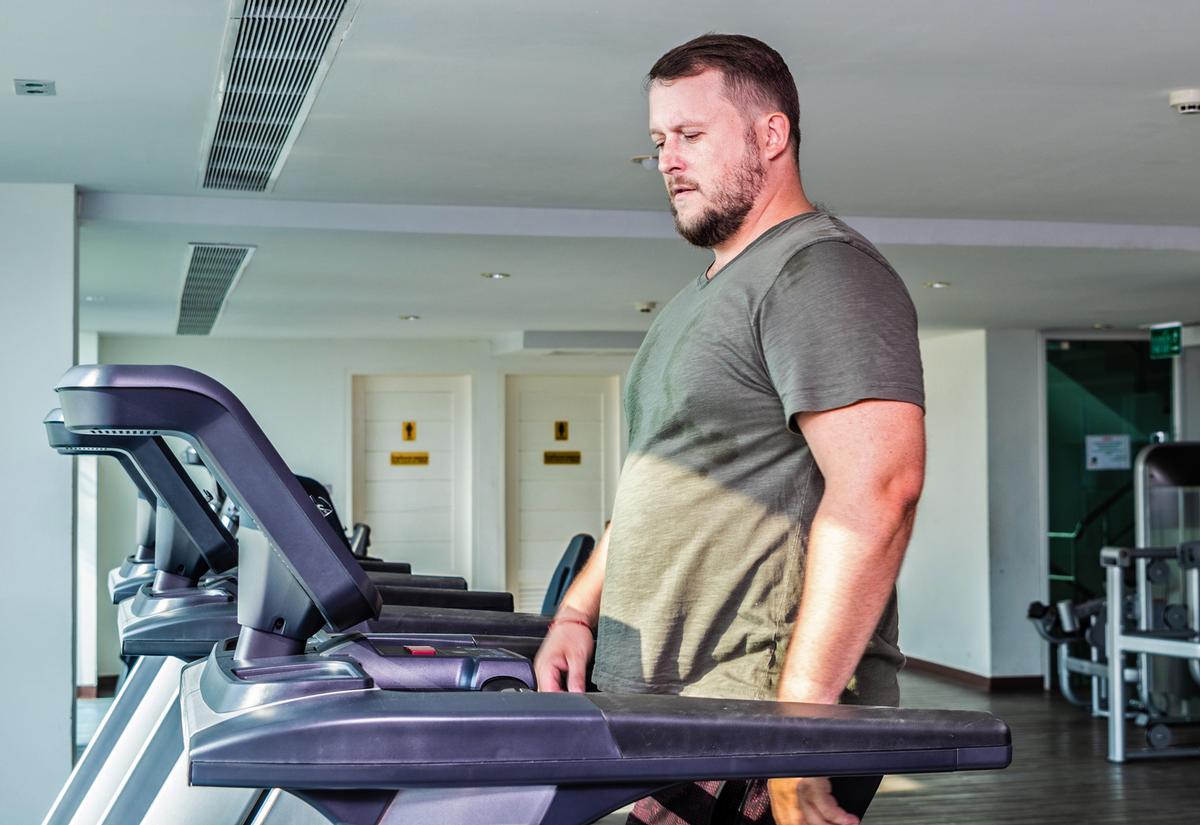
According to the researchers, the results strengthen the view that diet and exercise should not be treated as separate ways to improve health

According to the researchers, the results strengthen the view that diet and exercise should not be treated as separate ways to improve health
photo: Shutterstock.com/EvMedvedeva

Research has suggested that some of the benefits of aerobic exercise may be reduced by higher-than-normal blood sugar levels – a condition known as hyperglycemia.

A team of scientists at Joslin Diabetes Center in Boston, US propose that high levels of blood sugar may prevent muscle remodeling in part by modifying the “extracellular matrix” proteins in the space between the muscle cells, where blood vessels are formed.

According to the researchers, the results strengthen the view that diet and exercise should not be treated as separate ways to improve health – as there is "more interaction between these two lifestyle factors than what was previously known".

Previous clinical studies have demonstrated that people with diabetes or chronically high levels of blood sugar struggle to improve their aerobic exercise capacity compared to people with normal blood sugar levels.

For the research, the team at Joslin studied two groups. The first consumed a Western diet, high in sugar and saturated fat, which caused some weight gain in addition to hyperglycemia.

The other group was modified to produce less insulin, which caused similar increases in blood sugar as the Western diet, even though the subjects ate a diet lower in sugar and fat and maintained normal body weight.

Both groups were subjected to a training protocol to boost their aerobic fitness.

In both hyperglycemic groups, the subjects failed to improve their aerobic exercise capacity compared to those with lower blood sugar levels.

In follow-up clinical tests with young adult volunteers, the Joslin scientists found that those who had higher blood sugar levels in response to ingesting glucose, a condition known as impaired glucose tolerance, showed the lowest aerobic exercise capacity.

The research was led by Joslin's Sarah Lessard, who has previously demonstrated that a biological pathway known as the “JNK” signaling pathway can act as a kind of molecular switch to tell muscle cells to adapt to either aerobic or strength training.

The scientists found that the JNK pathway signals were getting crossed in those with hyperglycemia, by activating pathways associated with strength training, even though they were performing aerobic exercise.

“As a result, the muscles of those with hyperglycemia have bigger fibers and fewer blood vessels, which is more typical of strength training, rather than aerobic training,” Lessard said.

Lessard's team also conducted follow-up clinical tests with young adult volunteers, which found that those who had higher blood sugar levels in response to ingesting glucose, a condition known as impaired glucose tolerance, showed the lowest aerobic exercise capacity.

“Looking at how their muscles responded to a single bout of typical aerobic exercise, we also saw that those with the lowest glucose tolerance had the highest activation of the JNK signalling pathway, which blocks aerobic adaptations,” Lessard added.

“The good news is, however, that although those with hyperglycemia failed to improve aerobic fitness with training, they still achieved other important health benefits from the exercise, including decreased fat mass and improved glucose metabolism.

“So, regular aerobic exercise is still a key recommendation for maintaining health in people with or without hyperglycemia.

"And it is important to note that people with hyperglycemia also can benefit from other forms of exercise, such as strength training, which is recommended for maintaining health."

Overall, the study suggests several approaches that might help people with chronic hyperglycemia eventually overcome the obstacles to building aerobic capacity. One is to adopt a diet designed to keep blood sugar levels low. Another is to take existing diabetes drugs designed to keep blood sugar levels in normal ranges.

“We often think of diet and exercise as separate ways to improve our health,” Lessard says.

“But our work shows that there is more interaction between these two lifestyle factors than what was previously known, and suggests that we may want to consider them together in order to maximise the health benefits of aerobic exercise.”


Connect with
Leisure Management
Magazine:
View issue contents
Sign up:
Instant Alerts/zines

Print edition
 

News headlines
Hoshino Resorts combats summer heat with medically-supervised cool bathing programme for KAI onsen
Hoshino Resorts combats summer heat with medically-supervised cool bathing programme for KAI onsen   09 Jun 2026

Hoshino Resorts has developed a “Cool-down onsen soak” programme at properties with Japanese onsen facilities – those within the company’s KAI .... more>>

Peloton signals potential move into reformer Pilates with Skop acquisition
Peloton signals potential move into reformer Pilates with Skop acquisition   09 Jun 2026

Peloton has made the strategic acquisition of Pilates start-up, Skōp, to support the expansion of its strength ecosystem.

....
more>>
Rainforest immersion and mindfulness are on offer at The Ritz-Carlton, Langkawi, for Global Wellness Day
Rainforest immersion and mindfulness are on offer at The Ritz-Carlton, Langkawi, for Global Wellness Day   09 Jun 2026

The Ritz-Carlton, Langkawi, in Malaysia, has revealed a schedule for Global Wellness Day (GWD) that includes guided rainforest walks, mindful .... more>>

Crunch Fitness creates more affordable reformer Pilates concept
Crunch Fitness creates more affordable reformer Pilates concept   09 Jun 2026

Crunch Fitness has announced the launch of Crunch Reform Pilates – its own reformer concept designed to bring this fast growing, but rather .... more>>

As the 20th State of the Industry Report is released, LeisureDB rebrands to Evolve
As the 20th State of the Industry Report is released, LeisureDB rebrands to Evolve   08 Jun 2026

The 20th State of the Industry Report from LeisureDB has revealed a resilient, expanding and competitive sector, the importance of .... more>>

Longevitix launches AI-powered platform to deliver longevity medicine at scale
Longevitix launches AI-powered platform to deliver longevity medicine at scale   08 Jun 2026

Longevitix, a clinical platform for preventive and longevity medicine, has launched its AI-powered intelligence system to help physicians deliver .... more>>

Company profile


Total Vibration Solutions Ltd (TVS Group)

TVS Group includes TVS Sports Surfaces, TVS Gym Flooring, TVS Play Surfaces and TVS Acoustics.

View full profile>>

Catalogue gallery


Featured Supplier

CoverMe extends matching service to personal training, rewriting how members and personal trainers connect

CoverMe extends matching service to personal training, rewriting how members and personal trainers connect

CoverMe, the global leader in fitness workforce management, today launches CoverMe PT, an on-demand personal training platform that connects the right personal trainer to the right client in under 10 seconds. More>>


in this issue

• Virgin gets right to wipe out rent arrears
• Fitness industry mourns passing of Jan Spaticchia
• STA offers mindfulness resources


Latest jobs

Jobs Search


Membership Advisor
Salary: Competitive salary plus commission & benefits
Location: Market Rasen
Company: Everyone Active
Customer Service Advisor
Salary: Competitive
Location: Market Rasen
Company: Everyone Active
GP Exercise Referral Instructor
Salary: £33,000pa + benefits
Location: Harrow
Company: Everyone Active
Diary dates
Powered by leisurediary.com

09-11 Jun 2026

World Sauna Forum 2026

Savutuvan Apaja, Haapaniemi, Finland


Published by Leisure Media Tel: +44 (0)1462 431385 | Contact us | About us | © Cybertrek Ltd