NEWS
People exercise less and drink more during lockdowns
POSTED 12 Jan 2021 . BY Tom Walker
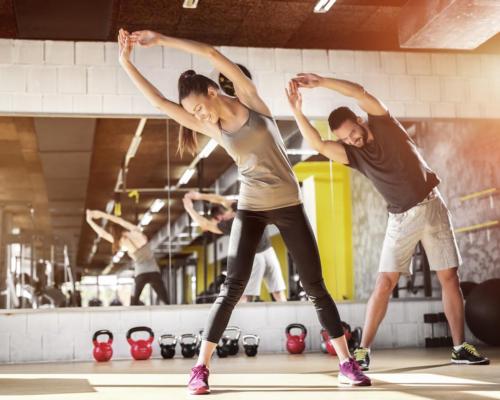
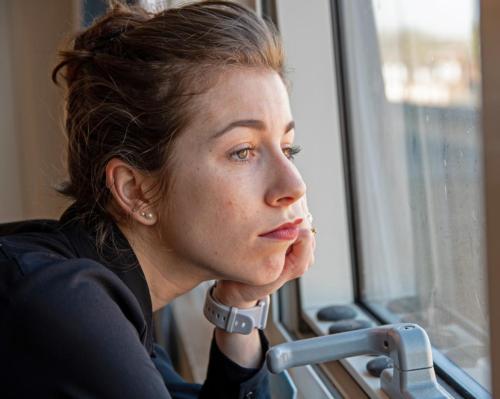
Overall, there was a 20 per cent reduction in days where participants were doing 30 minutes or more moderate to vigorous physical activity Credit: Shutterstock.com/Timothy Kuiper
Some Brits drop their exercise habits, eat unhealthily and drink more alcohol during lockdowns, according to research from the University of East Anglia (UEA).

A study of 1,000 people, currently being tracked for the new tier 5 restrictions, shows how lifestyle behaviours changed in the first month of initial COVID-19 lockdown in April 2020, with a 20 per cent reduction in days where participants were doing 30 minutes or more moderate to vigorous physical activity.

The study, C‐19 health behaviour and well‐being daily tracker study, found some of the people at greatest risk of COVID-19 – including those who are overweight – demonstrated the most unhealthy behaviour changes.

At the start of the UK’s first lockdown, UEA researchers launched a project to track people’s lifestyle behaviours to understand the impact of lockdown on the health of the nation.

Participants were followed every day for three months in what the university says is the first study of its kind.

The study began on April 8 – two weeks after the lockdown was announced on 23 March – with participants completing a baseline questionnaire.

The team collected information on age, gender, ethnicity, weight, height, the number of adults and children in a household, whether people have any pre-existing medical conditions and whether they are in an at-risk group for COVID-19. Employment status and average monthly income were also taken into account.

Participants were asked to share information daily on their smoking habits, alcohol consumption, mental wellbeing, physical activity levels, sleep, and nutrition – as well as whether they are suffering COVID-19 relevant symptoms such as a persistent cough or fever.

According to UEA's Dr Felix Naughton, who led the study, the lockdown saw a dramatic drop in physical activity levels.

"We found that participants were doing significantly less exercise," he said.

"Our figures show that overall, there was a 20 per cent reduction in days where participants were doing 30 minutes or more moderate to vigorous physical activity. But interestingly people did report that they were doing a bit more strength training – with a 15 per cent increase in strength training per week.

“We found that those groups most at risk of COVID-19 were undertaking the least activity.

“We know that exercise helps improve immune function and could contribute to an increase in deconditioning and functional decline, particularly among older people – so the fact that those who are most at risk of being severely affected by COVID-19 were doing the least exercise is a worry.

"We recognise that social distancing and shielding can make exercise more difficult, so finding ways around this is important."

The team also found that people were also drinking more alcohol in total – with women drinking more frequently, but men drinking greater quantities per drinking occasion.

"Both of these are concerning because even relatively small changes in alcohol consumption can have a marked impact on long-term health," Naughton said.

"We found that being a key worker, older and male was associated with a greater number of drinks consumed on a typical day’s drinking, and consuming alcohol on a greater number of days was associated with being older and female.”

UEA's Prof Caitlin Notley who, alongside Naughton, worked on the study, added: “Our findings indicate that on average, people’s health behaviours worsened in the early stages of the COVID-19 pandemic measures.

"It is critical now that we reflect on these changes so that we can advise people of how best to protect their health in future lockdowns.

“If short term changes turn into longer-term habits, then people’s health could be compromised as a result. Changes may also become more entrenched with more restrictions in place – this is something the team will be tracking through our follow up data collection.

“Overall, it seems to be that worsening unhealthy behaviours were most associated with being younger, female and having a higher BMI.
RELATED STORIES
  UK gyms will lose around £400m a month during lockdown


The UK physical activity sector will lose around £400m a month during lockdown.
  UK gym industry calls for sector-specific government financial support


ukactive has called on the UK government to draft a new National Physical Activity Plan and provide further sector-specific financial protection for operators in the activity sector, to support the industry through the UK's third lockdown.
  Glenn Earlam pushes back on reports of 'material uncertainty' at David Lloyd


David Lloyd Leisure has become the latest operator to have its auditors flag up the detrimental effect of the pandemic on the business.


CONTACT US

Leisure Media
Tel: +44 (0)1462 431385

©Cybertrek 2026

ABOUT LEISURE MEDIA
LEISURE MEDIA MAGAZINES
LEISURE MEDIA HANDBOOKS
LEISURE MEDIA WEBSITES
LEISURE MEDIA PRODUCT SEARCH
PRINT SUBSCRIPTIONS
FREE DIGITAL SUBSCRIPTIONS
 
Leisure Management - People exercise less and drink more during lockdowns...
06 Jun 2026 Leisure Management: daily news and jobs
 
 
HOME
JOBS
NEWS
FEATURES
PRODUCTS
FREE DIGITAL SUBSCRIPTION
PRINT SUBSCRIPTION
ADVERTISE
CONTACT US
Sign up for FREE ezine
Latest news

12 Jan 2021

People exercise less and drink more during lockdowns
BY Tom Walker

Overall, there was a 20 per cent reduction in days where participants were doing 30 minutes or more moderate to vigorous physical activity

Overall, there was a 20 per cent reduction in days where participants were doing 30 minutes or more moderate to vigorous physical activity
photo: Shutterstock.com/Timothy Kuiper

Some Brits drop their exercise habits, eat unhealthily and drink more alcohol during lockdowns, according to research from the University of East Anglia (UEA).

A study of 1,000 people, currently being tracked for the new tier 5 restrictions, shows how lifestyle behaviours changed in the first month of initial COVID-19 lockdown in April 2020, with a 20 per cent reduction in days where participants were doing 30 minutes or more moderate to vigorous physical activity.

The study, C‐19 health behaviour and well‐being daily tracker study, found some of the people at greatest risk of COVID-19 – including those who are overweight – demonstrated the most unhealthy behaviour changes.

At the start of the UK’s first lockdown, UEA researchers launched a project to track people’s lifestyle behaviours to understand the impact of lockdown on the health of the nation.

Participants were followed every day for three months in what the university says is the first study of its kind.

The study began on April 8 – two weeks after the lockdown was announced on 23 March – with participants completing a baseline questionnaire.

The team collected information on age, gender, ethnicity, weight, height, the number of adults and children in a household, whether people have any pre-existing medical conditions and whether they are in an at-risk group for COVID-19. Employment status and average monthly income were also taken into account.

Participants were asked to share information daily on their smoking habits, alcohol consumption, mental wellbeing, physical activity levels, sleep, and nutrition – as well as whether they are suffering COVID-19 relevant symptoms such as a persistent cough or fever.

According to UEA's Dr Felix Naughton, who led the study, the lockdown saw a dramatic drop in physical activity levels.

"We found that participants were doing significantly less exercise," he said.

"Our figures show that overall, there was a 20 per cent reduction in days where participants were doing 30 minutes or more moderate to vigorous physical activity. But interestingly people did report that they were doing a bit more strength training – with a 15 per cent increase in strength training per week.

“We found that those groups most at risk of COVID-19 were undertaking the least activity.

“We know that exercise helps improve immune function and could contribute to an increase in deconditioning and functional decline, particularly among older people – so the fact that those who are most at risk of being severely affected by COVID-19 were doing the least exercise is a worry.

"We recognise that social distancing and shielding can make exercise more difficult, so finding ways around this is important."

The team also found that people were also drinking more alcohol in total – with women drinking more frequently, but men drinking greater quantities per drinking occasion.

"Both of these are concerning because even relatively small changes in alcohol consumption can have a marked impact on long-term health," Naughton said.

"We found that being a key worker, older and male was associated with a greater number of drinks consumed on a typical day’s drinking, and consuming alcohol on a greater number of days was associated with being older and female.”

UEA's Prof Caitlin Notley who, alongside Naughton, worked on the study, added: “Our findings indicate that on average, people’s health behaviours worsened in the early stages of the COVID-19 pandemic measures.

"It is critical now that we reflect on these changes so that we can advise people of how best to protect their health in future lockdowns.

“If short term changes turn into longer-term habits, then people’s health could be compromised as a result. Changes may also become more entrenched with more restrictions in place – this is something the team will be tracking through our follow up data collection.

“Overall, it seems to be that worsening unhealthy behaviours were most associated with being younger, female and having a higher BMI.


Connect with
Leisure Management
Magazine:
View issue contents
Sign up:
Instant Alerts/zines

Print edition
 

News headlines
Almost half of spa survey respondents are unaware cancer is a disability and not adapting treatments is discrimination
Almost half of spa survey respondents are unaware cancer is a disability and not adapting treatments is discrimination   05 Jun 2026

A recent survey by the UK Spa Association (UKSA) into the industry’s approach to cancer care has revealed that almost half of participating .... more>>

Solmar Hotels and Resorts offers Temazcal ceremony for Global Wellness Day
Solmar Hotels and Resorts offers Temazcal ceremony for Global Wellness Day   05 Jun 2026

Mexican operator, Solmar Hotels and Resorts, is hosting a series of events in celebration of Global Wellness Day, including a Temazcal ceremony at .... more>>

Warner Bros Discovery collaborates on upcoming Pompeii attraction
Warner Bros Discovery collaborates on upcoming Pompeii attraction   05 Jun 2026

A new immersive attraction designed to transport visitors into the final hours of ancient Pompeii is preparing to open near the world-famous .... more>>

Nuffield Health says it will appeal after losing at employment tribunal
Nuffield Health says it will appeal after losing at employment tribunal   05 Jun 2026

Nuffield Health has told HCM that it takes its responsibilities towards its colleagues seriously and is committed to meeting all legal .... more>>

Mandarin Oriental announces standalone Mansions-branded residences for Abu Dhabi
Mandarin Oriental announces standalone Mansions-branded residences for Abu Dhabi   05 Jun 2026

Mandarin Oriental has announced a standalone residence brand, Mansions, which will debut at Emirates Palace, Mandarin Oriental Mansions, Abu Dhabi, .... more>>

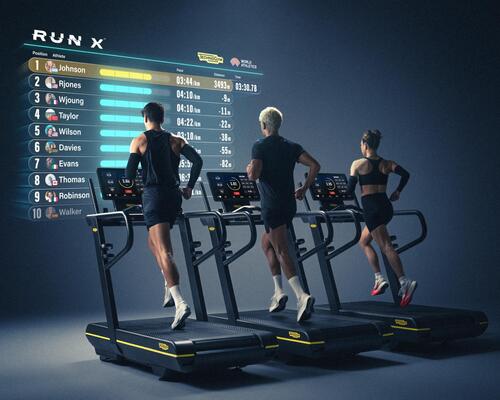
Technogym and World Athletics team up to launch the Run X World Treadmill Championships
Technogym and World Athletics team up to launch the Run X World Treadmill Championships   05 Jun 2026

Technogym has announced the launch of the Run X World Treadmill Championship, the first world championship for running on connected treadmills over .... more>>

Company profile


Aquaform

With a rich heritage in the spa industry, Aquaform offers a diverse array of water wellness experiences.

View full profile>>

Catalogue gallery


Featured Supplier

Endospheres' new protocols are designed to meet real client needs

Endospheres' new protocols are designed to meet real client needs

Spa professionals see it every day: clients are arriving with more complex expectations. More>>


in this issue

• Virgin gets right to wipe out rent arrears
• Fitness industry mourns passing of Jan Spaticchia
• STA offers mindfulness resources


Latest jobs

Jobs Search


Membership Advisor
Salary: Competitive salary plus commission & benefits
Location: Market Rasen
Company: Everyone Active
Customer Service Advisor
Salary: Competitive
Location: Market Rasen
Company: Everyone Active
GP Exercise Referral Instructor
Salary: £33,000pa + benefits
Location: Harrow
Company: Everyone Active
Diary dates
Powered by leisurediary.com

09-11 Jun 2026

World Sauna Forum 2026

Savutuvan Apaja, Haapaniemi, Finland


Published by Leisure Media Tel: +44 (0)1462 431385 | Contact us | About us | © Cybertrek Ltd