NEWS
Grassroots sport remains resilient – but 'requires further support' after losing 60 per cent of members
POSTED 12 May 2021 . BY Tom Walker
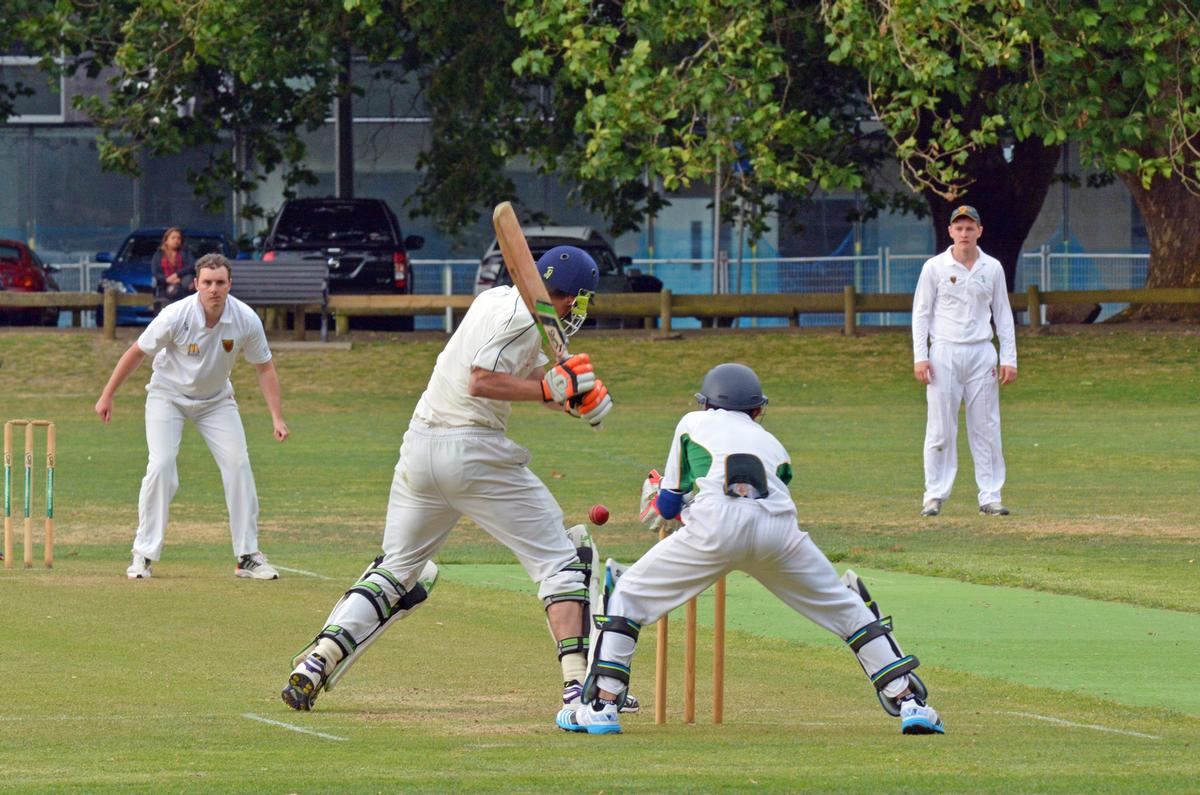
Clubs and sports providers have, on average, lost 60 per cent of their members during the pandemic Credit: Shutterstock/ChameleonsEye
There is "incredible resilience" in the sports and physical activity sector – but the industry requires further support to bounce back from the devastating effects of the pandemic.

That is the headline finding of a new report, based on a survey of more than 1,400 community sport providers involved in the delivery of more than 75 sports and activities across the UK.

Conducted in partnership between the Sport and Recreation Alliance (SRA) and the Sport Industry Research Group at Sheffield Hallam University, the survey found that volunteers were crucial in supporting clubs during lockdowns and that the lack of income during the pandemic has placed additional pressure on the financial reserves of community organisations.

Respondents to the survey were asked to consider their position prior to the onset of the pandemic, how this has changed since restrictions were imposed, and the effects of this experience on their ability to restart activity once restrictions had been eased.

When it comes to participation, the findings showed that virtually all participation opportunities organised by community sport providers ceased during lockdown and that organisations responding to the survey lost an average of 60 per cent of their members.

This figure is projected to recover to 75 per cent of pre-pandemic levels once restrictions are removed, with clubs and other providers expecting to deliver 90 per cent of their participation opportunities once restrictions are fully lifted.

This suggests that organisations believe that could deliver activity at, or close to, their pre-pandemic operating capacity.

Meanwhile, the pandemic has had an effect on the sector's workforce too.

Among the main concerns emerging from the study was the need to support the UK’s three million coaches, from elite down to grassroots.

Paid coaches were the individuals within the sport and physical activity workforce that suffered the most significant fall in numbers, dropping by 63 per cent during the pandemic.

Overall, the pandemic has had a huge effect on the finances of clubs and sports providers.

According to the survey results, around one in three providers now operate without any financial cushion.

During the pandemic period, those providers with cash reserves saw them decline by 18 per cent, while liabilities increased by an average of 20 per cent.

To mitigate the impact of lockdown on participation levels, most providers have reduced expenditure in line with this decrease in activity, although the 41 per cent reduction in expenditure was outpaced by a 51 per cent drop in income. Due to the shutdown in provision, the sparsity of new funding opportunities also presented a challenge for generating income for grassroots clubs.

The study also shows that the impact of the lockdown on providers’ financial viability, while broadly negative, may be reversed if organisations are able to return to delivering income generating activities at the earliest opportunity, with the availability of facilities a priority in this area.

Commenting on the report, SRA chief executive, Lisa Wainwright, said: “This research highlights how successfully our community clubs have coped in unprecedented times. The resilience, determination and passion shown is to be commended and this is why grassroots activity remains in a healthy position.

“As a sector, it is really important that we make being active the easy choice and one that is safe, enjoyable and beneficial to all.

“Any decline in the quantity or quality of coaching available is likely to have a negative impact on returning members and so it is crucial this is addressed to avoid a further decline in activity levels.

“The availability of facilities is also fundamental to the entire eco-system of delivery for sport and activity providers and is key to the restart process.

“We must make sure that facilities are opened as quickly and as widely as possible to encourage participants back and to allow our community organisations to start building their income once again and provide them with the financial sustainability to continue delivering their activity.

“This has taken on even greater significance following the latest Active Lives Adult Survey from Sport England which has shown a concerning drop in activity levels, with certain demographics harder hit than others.

“Community sport clubs are the lifeblood of cities, towns and village across the country and we must support them as the nation recovers, to allow everyone to take advantage of the incredible wellbeing benefits of sport and recreation.”

• To read the full report, based on the survey, click here.


RELATED STORIES
  Sport and Recreation Alliance's new strategy looks to help industry 'recover and achieve'


The Sport and Recreation Alliance (SRA) has published its new four-year strategy, outlining its vision to showcase the social, economic and health benefits of physical activity.
  House of Lords committee to scrutinise UK government's record on increasing participation in physical activity


The House of Lords' 'National Plan for Sport and Recreation committee' has invited sporting organisations and members of the public in the UK, to provide their views on how to tackle the barriers which prevent people from taking part in sport and physical activity, as part of an inquiry into the government's performance in relation to participation.
  Black Lives Matter: sports sector 'hasn't done enough' on inequalities


The sport and physical activity sector "hasn't done enough" to tackle persisting inequalities within the industry, according to a statement signed by more than 80 leading UK sports organisations.
  Industry reacts to childhood inactivity survey – figures branded 'shocking' and 'a national disgrace'


The figures revealed in today's Active Lives Children and Young People research have been described an "urgent wake-up call" and a "national disgrace".


CONTACT US

Leisure Media
Tel: +44 (0)1462 431385

©Cybertrek 2026

ABOUT LEISURE MEDIA
LEISURE MEDIA MAGAZINES
LEISURE MEDIA HANDBOOKS
LEISURE MEDIA WEBSITES
LEISURE MEDIA PRODUCT SEARCH
PRINT SUBSCRIPTIONS
FREE DIGITAL SUBSCRIPTIONS
 
Leisure Management - Grassroots sport remains resilient – but 'requires further support' after losing 60 per cent of members...
07 Jun 2026 Leisure Management: daily news and jobs
 
 
HOME
JOBS
NEWS
FEATURES
PRODUCTS
FREE DIGITAL SUBSCRIPTION
PRINT SUBSCRIPTION
ADVERTISE
CONTACT US
Sign up for FREE ezine
Latest news

12 May 2021

Grassroots sport remains resilient – but 'requires further support' after losing 60 per cent of members
BY Tom Walker

Clubs and sports providers have, on average, lost 60 per cent of their members during the pandemic

Clubs and sports providers have, on average, lost 60 per cent of their members during the pandemic
photo: Shutterstock/ChameleonsEye

There is "incredible resilience" in the sports and physical activity sector – but the industry requires further support to bounce back from the devastating effects of the pandemic.

That is the headline finding of a new report, based on a survey of more than 1,400 community sport providers involved in the delivery of more than 75 sports and activities across the UK.

Conducted in partnership between the Sport and Recreation Alliance (SRA) and the Sport Industry Research Group at Sheffield Hallam University, the survey found that volunteers were crucial in supporting clubs during lockdowns and that the lack of income during the pandemic has placed additional pressure on the financial reserves of community organisations.

Respondents to the survey were asked to consider their position prior to the onset of the pandemic, how this has changed since restrictions were imposed, and the effects of this experience on their ability to restart activity once restrictions had been eased.

When it comes to participation, the findings showed that virtually all participation opportunities organised by community sport providers ceased during lockdown and that organisations responding to the survey lost an average of 60 per cent of their members.

This figure is projected to recover to 75 per cent of pre-pandemic levels once restrictions are removed, with clubs and other providers expecting to deliver 90 per cent of their participation opportunities once restrictions are fully lifted.

This suggests that organisations believe that could deliver activity at, or close to, their pre-pandemic operating capacity.

Meanwhile, the pandemic has had an effect on the sector's workforce too.

Among the main concerns emerging from the study was the need to support the UK’s three million coaches, from elite down to grassroots.

Paid coaches were the individuals within the sport and physical activity workforce that suffered the most significant fall in numbers, dropping by 63 per cent during the pandemic.

Overall, the pandemic has had a huge effect on the finances of clubs and sports providers.

According to the survey results, around one in three providers now operate without any financial cushion.

During the pandemic period, those providers with cash reserves saw them decline by 18 per cent, while liabilities increased by an average of 20 per cent.

To mitigate the impact of lockdown on participation levels, most providers have reduced expenditure in line with this decrease in activity, although the 41 per cent reduction in expenditure was outpaced by a 51 per cent drop in income. Due to the shutdown in provision, the sparsity of new funding opportunities also presented a challenge for generating income for grassroots clubs.

The study also shows that the impact of the lockdown on providers’ financial viability, while broadly negative, may be reversed if organisations are able to return to delivering income generating activities at the earliest opportunity, with the availability of facilities a priority in this area.

Commenting on the report, SRA chief executive, Lisa Wainwright, said: “This research highlights how successfully our community clubs have coped in unprecedented times. The resilience, determination and passion shown is to be commended and this is why grassroots activity remains in a healthy position.

“As a sector, it is really important that we make being active the easy choice and one that is safe, enjoyable and beneficial to all.

“Any decline in the quantity or quality of coaching available is likely to have a negative impact on returning members and so it is crucial this is addressed to avoid a further decline in activity levels.

“The availability of facilities is also fundamental to the entire eco-system of delivery for sport and activity providers and is key to the restart process.

“We must make sure that facilities are opened as quickly and as widely as possible to encourage participants back and to allow our community organisations to start building their income once again and provide them with the financial sustainability to continue delivering their activity.

“This has taken on even greater significance following the latest Active Lives Adult Survey from Sport England which has shown a concerning drop in activity levels, with certain demographics harder hit than others.

“Community sport clubs are the lifeblood of cities, towns and village across the country and we must support them as the nation recovers, to allow everyone to take advantage of the incredible wellbeing benefits of sport and recreation.”

• To read the full report, based on the survey, click here.



Connect with
Leisure Management
Magazine:
View issue contents
Sign up:
Instant Alerts/zines

Print edition
 

News headlines
The Retreat Costa Rica debuts Vida Mía Longevity Centre
The Retreat Costa Rica debuts Vida Mía Longevity Centre   07 Jun 2026

Luxury wellness resort, The Retreat Costa Rica, has introduced its Vida Mía Longevity Centre at the property’s Vida Mía Healing Centre and .... more>>

Almost half of spa survey respondents are unaware cancer is a disability and not adapting treatments is discrimination
Almost half of spa survey respondents are unaware cancer is a disability and not adapting treatments is discrimination   05 Jun 2026

A recent survey by the UK Spa Association (UKSA) into the industry’s approach to cancer care has revealed that almost half of participating .... more>>

Solmar Hotels and Resorts offers Temazcal ceremony for Global Wellness Day
Solmar Hotels and Resorts offers Temazcal ceremony for Global Wellness Day   05 Jun 2026

Mexican operator, Solmar Hotels and Resorts, is hosting a series of events in celebration of Global Wellness Day, including a Temazcal ceremony at .... more>>

Warner Bros Discovery collaborates on upcoming Pompeii attraction
Warner Bros Discovery collaborates on upcoming Pompeii attraction   05 Jun 2026

A new immersive attraction designed to transport visitors into the final hours of ancient Pompeii is preparing to open near the world-famous .... more>>

Nuffield Health says it will appeal after losing at employment tribunal
Nuffield Health says it will appeal after losing at employment tribunal   05 Jun 2026

Nuffield Health has told HCM that it takes its responsibilities towards its colleagues seriously and is committed to meeting all legal .... more>>

Mandarin Oriental announces standalone Mansions-branded residences for Abu Dhabi
Mandarin Oriental announces standalone Mansions-branded residences for Abu Dhabi   05 Jun 2026

Mandarin Oriental has announced a standalone residence brand, Mansions, which will debut at Emirates Palace, Mandarin Oriental Mansions, Abu Dhabi, .... more>>

Company profile


The Fitness Group Education

The Fitness Group is the UK’s Leading Fitness Education Training Provider.

View full profile>>

Catalogue gallery


Featured Supplier

Endospheres' new protocols are designed to meet real client needs

Endospheres' new protocols are designed to meet real client needs

Spa professionals see it every day: clients are arriving with more complex expectations. More>>


in this issue

• Virgin gets right to wipe out rent arrears
• Fitness industry mourns passing of Jan Spaticchia
• STA offers mindfulness resources


Latest jobs

Jobs Search


Membership Advisor
Salary: Competitive salary plus commission & benefits
Location: Market Rasen
Company: Everyone Active
Customer Service Advisor
Salary: Competitive
Location: Market Rasen
Company: Everyone Active
GP Exercise Referral Instructor
Salary: £33,000pa + benefits
Location: Harrow
Company: Everyone Active
Diary dates
Powered by leisurediary.com

09-11 Jun 2026

World Sauna Forum 2026

Savutuvan Apaja, Haapaniemi, Finland


Published by Leisure Media Tel: +44 (0)1462 431385 | Contact us | About us | © Cybertrek Ltd