NEWS
Global industry organisations join forces to call for physical activity to be embedded into GLP-1 care pathways
POSTED 15 Jun 2026 . BY Kath Hudson
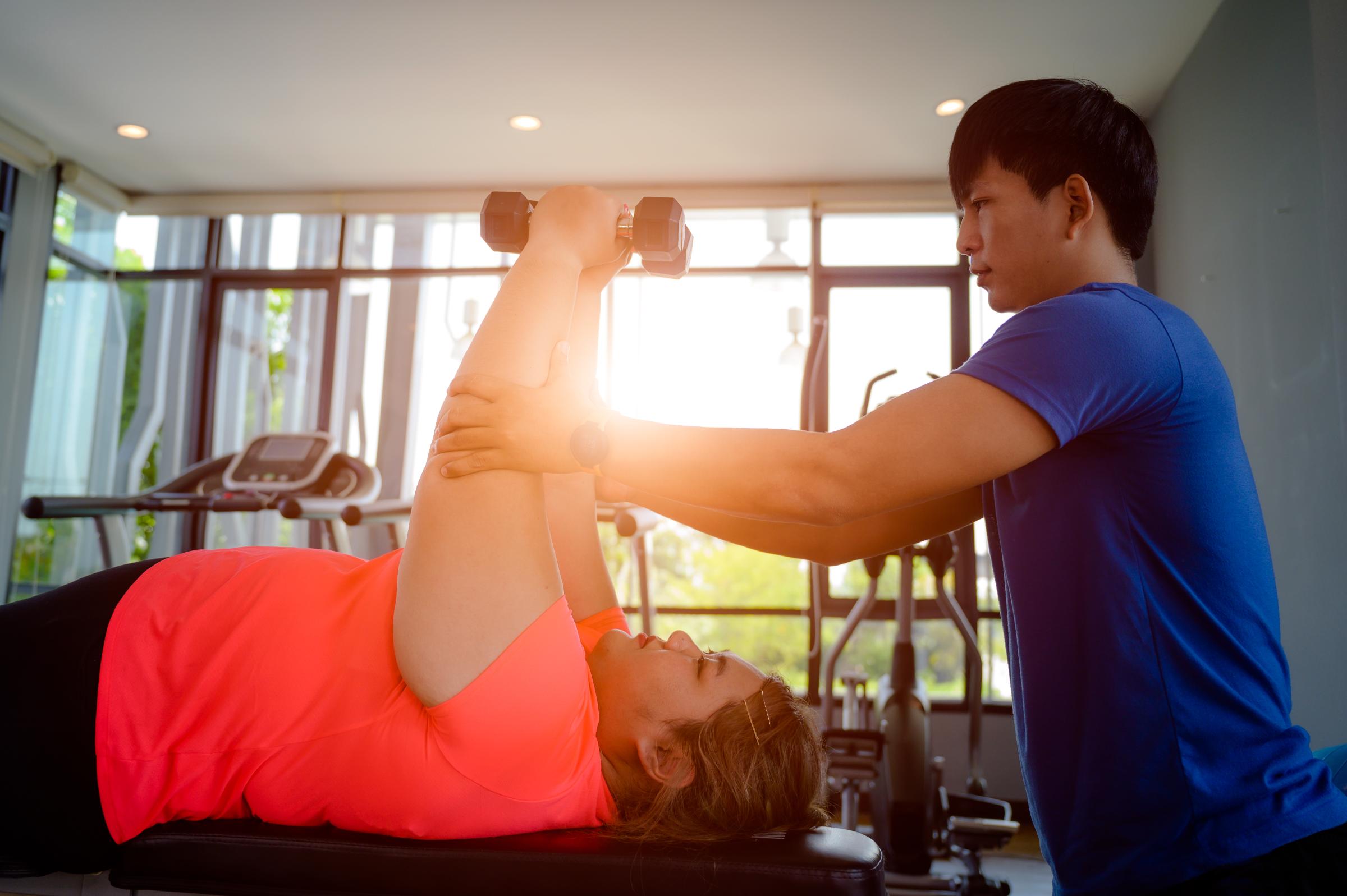
Research shows the importance of strength training during GLP-1 weight loss Credit: Shutterstock/Iam_Anuphone
A five-nation coalition of fitness trade bodies is calling for structured exercise to be formally integrated into medical GLP-1 weight-loss models
A health-economic white paper by FTI Consulting shows combining exercise with GLP-1 therapy dramatically reduces muscle wasting and long-term weight regain
Over 10 years, adding structured exercise is projected to generate £2.7bn in economic value for the UK and US$120bn for the US
The industry is urging healthcare providers to establish formal referral pathways to qualified fitness facilities and registered professionals

International industry lobbying associations are calling for physical activity and strength training to be deeply integrated with GLP-1 treatment.

Five organisations – UK Active, the Health and Fitness Association, the HFA Foundation, AusActive, Exercise New Zealand and Fitness Industry Council of Canada – have joined forces following a multinational study which found that pairing GLP-1 therapy with regular structured exercise would improve long-term health outcomes, reduce downstream costs and generate positive economic returns across multiple countries. 

Developed by FTI Consulting’s Center for Healthcare Economics and Policy, the white paper From Weight Loss to Lasting Value: Structured Exercise and the Economics of GLP-1 Therapy compares impacts of GLP-1 therapy as a standalone obesity treatment with GLP-1 therapy combined with exercise. 

Adding structured exercise to GLP-1 therapy can help patients preserve muscle during weight loss; maintain strength, mobility, and bone health; keep more weight off over time; reduce weight regain after stopping medication and lower the risk of costly health events later on. 

The trade associations are calling for structured exercise, including strength training, to be an essential part of obesity care and embedded into GLP-1 care models. They are also asking for patients to be supported to find qualified exercise professionals and fitness facilities and for referral pathways to be built between healthcare providers and qualified exercise professionals and fitness facilities and for outcomes beyond weight loss to be measured, such as long-term weight loss and economic value.

The analysis used a health-economic model adapted across Australia, Canada, New Zealand, the UK, and the United States. Across all five countries the analysis found that a combined approach supports improved long-term health outcomes, reduced healthcare costs, and produced positive economic returns. 

Greta Wagner, interim president and CEO of the Health and Fitness Association and president of the HFA Foundation, says: “The health and fitness industry has long known that lasting wellness requires more than a number on a scale, it requires strength, function, and sustainable healthy life habits.  

“This research confirms that exercise, especially strength training, helps patients sustain the benefits of GLP-1 treatment over time.”  

Cameron Saunders, CEO of UK Active, says: “The evidence is clear and the bill for inaction is one that health systems cannot keep picking up. Our members are ready to be delivery partners – we have the facilities, the professionals and programmes to make it happen at scale.”  

In the UK, combining regular exercise with GLP-1 therapy could generate an estimated £2.7bn in economic and societal value over 10 years and a 164 per cent return on investment, rising to 717 per cent and £13bn over 30 years.

For the US, the economic and societal value over 10 years was estimated at US$120bn  and a 496 per cent return on investment, rising to 1,572 per cent and US$393bn over 30 years. 

Estimates for Australia were A$182m in economic and societal value over 10 years and a 59 per cent return on investment, rising to 457 per cent and A$1.4bn over 30 years. 

Canada could expect to generate C$3.5bn in economic and societal value over 10 years and a 105 per cent return on investment, rising to 526 per cent and C$17.9bn over 30 years. 

For New Zealand: the figures were NZ$51m in economic and societal value over 10 years and a 27 per cent return on investment, rising to 306 per cent and NZ$592m over 30 years. 


CONTACT US

Leisure Media
Tel: +44 (0)1462 431385

©Cybertrek 2026

ABOUT LEISURE MEDIA
LEISURE MEDIA MAGAZINES
LEISURE MEDIA HANDBOOKS
LEISURE MEDIA WEBSITES
LEISURE MEDIA PRODUCT SEARCH
PRINT SUBSCRIPTIONS
FREE DIGITAL SUBSCRIPTIONS
 
Leisure Management - Global industry organisations join forces to call for physical activity to be embedded into GLP-1 care pathways...
15 Jun 2026 Leisure Management: daily news and jobs
 
 
HOME
JOBS
NEWS
FEATURES
PRODUCTS
FREE DIGITAL SUBSCRIPTION
PRINT SUBSCRIPTION
ADVERTISE
CONTACT US
Sign up for FREE ezine
Latest news

15 Jun 2026

Global industry organisations join forces to call for physical activity to be embedded into GLP-1 care pathways
BY Kath Hudson

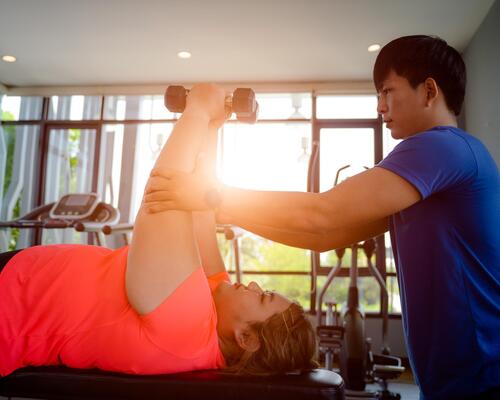
Research shows the importance of strength training during GLP-1 weight loss

Research shows the importance of strength training during GLP-1 weight loss
photo: Shutterstock/Iam_Anuphone

International industry lobbying associations are calling for physical activity and strength training to be deeply integrated with GLP-1 treatment.

Five organisations – UK Active, the Health and Fitness Association, the HFA Foundation, AusActive, Exercise New Zealand and Fitness Industry Council of Canada – have joined forces following a multinational study which found that pairing GLP-1 therapy with regular structured exercise would improve long-term health outcomes, reduce downstream costs and generate positive economic returns across multiple countries. 

Developed by FTI Consulting’s Center for Healthcare Economics and Policy, the white paper From Weight Loss to Lasting Value: Structured Exercise and the Economics of GLP-1 Therapy compares impacts of GLP-1 therapy as a standalone obesity treatment with GLP-1 therapy combined with exercise. 

Adding structured exercise to GLP-1 therapy can help patients preserve muscle during weight loss; maintain strength, mobility, and bone health; keep more weight off over time; reduce weight regain after stopping medication and lower the risk of costly health events later on. 

The trade associations are calling for structured exercise, including strength training, to be an essential part of obesity care and embedded into GLP-1 care models. They are also asking for patients to be supported to find qualified exercise professionals and fitness facilities and for referral pathways to be built between healthcare providers and qualified exercise professionals and fitness facilities and for outcomes beyond weight loss to be measured, such as long-term weight loss and economic value.

The analysis used a health-economic model adapted across Australia, Canada, New Zealand, the UK, and the United States. Across all five countries the analysis found that a combined approach supports improved long-term health outcomes, reduced healthcare costs, and produced positive economic returns. 

Greta Wagner, interim president and CEO of the Health and Fitness Association and president of the HFA Foundation, says: “The health and fitness industry has long known that lasting wellness requires more than a number on a scale, it requires strength, function, and sustainable healthy life habits.  

“This research confirms that exercise, especially strength training, helps patients sustain the benefits of GLP-1 treatment over time.”  

Cameron Saunders, CEO of UK Active, says: “The evidence is clear and the bill for inaction is one that health systems cannot keep picking up. Our members are ready to be delivery partners – we have the facilities, the professionals and programmes to make it happen at scale.”  

In the UK, combining regular exercise with GLP-1 therapy could generate an estimated £2.7bn in economic and societal value over 10 years and a 164 per cent return on investment, rising to 717 per cent and £13bn over 30 years.

For the US, the economic and societal value over 10 years was estimated at US$120bn  and a 496 per cent return on investment, rising to 1,572 per cent and US$393bn over 30 years. 

Estimates for Australia were A$182m in economic and societal value over 10 years and a 59 per cent return on investment, rising to 457 per cent and A$1.4bn over 30 years. 

Canada could expect to generate C$3.5bn in economic and societal value over 10 years and a 105 per cent return on investment, rising to 526 per cent and C$17.9bn over 30 years. 

For New Zealand: the figures were NZ$51m in economic and societal value over 10 years and a 27 per cent return on investment, rising to 306 per cent and NZ$592m over 30 years. 



Connect with
Leisure Management
Magazine:
View issue contents
Sign up:
Instant Alerts/zines

Print edition
 

News headlines
Global industry organisations join forces to call for physical activity to be embedded into GLP-1 care pathways
Global industry organisations join forces to call for physical activity to be embedded into GLP-1 care pathways   15 Jun 2026

International industry lobbying associations are calling for physical activity and strength training to be deeply integrated with GLP-1 .... more>>

Barons Eden rebrands to Hiddenwell ahead of spa hotel portfolio expansion
Barons Eden rebrands to Hiddenwell ahead of spa hotel portfolio expansion   15 Jun 2026

Barons Eden, the UK parent company that operates luxury destination properties in England, has rebranded to become .... more>>

Les Mills calls on the industry to support UNICEF
Les Mills calls on the industry to support UNICEF   12 Jun 2026

Global group exercise specialist, Les Mills, is inviting operators to sign up to its Workout for the World event on 20 June, in support of .... more>>

Belgin Aksoy marks 15 years of Global Wellness Day
Belgin Aksoy marks 15 years of Global Wellness Day   12 Jun 2026

Global Wellness Day (GWD) marked its 15th anniversary on Saturday 13 June 2026, with the theme: #JoyMagenta – a celebration of the healing .... more>>

HUM2N launches longevity clinic at Six Senses London
HUM2N launches longevity clinic at Six Senses London   12 Jun 2026

Global luxury hospitality brand, Six Senses, has partnered with longevity healthcare provider, HUM2N, to launch a clinic at Six Senses London, at .... more>>

Mayrlife opens first hotel day clinic in partnership with Rosewood Vienna
Mayrlife opens first hotel day clinic in partnership with Rosewood Vienna   11 Jun 2026

As part of its first hotel partnership, Mayrlife – the medical health resort company known for its site in Altaussee, Austria – has launched a day .... more>>

Company profile


FIBO

FIBO is the international platform for fitness, wellness and health. During four days, FIBO connects more than 860 exhibitors from 51 nations with more than 106,000 visitors from 116 nations in ten halls in Cologne.

View full profile>>

Catalogue gallery


Featured Supplier

Glow beyond protection: meet Comfort Zone Hydramemory Hybrid Glow SPF 30

Glow beyond protection: meet Comfort Zone Hydramemory Hybrid Glow SPF 30

Sun protection is no longer just about shielding the skin – it's about enhancing it. More>>


in this issue

• Virgin gets right to wipe out rent arrears
• Fitness industry mourns passing of Jan Spaticchia
• STA offers mindfulness resources


Latest jobs

Jobs Search


Community Activator Coach Apprentice
Salary: 16,686
Location: Stowmarket, Suffolk
Company: Everyone Active
Membership Advisor
Salary: Competitive salary plus commission & benefits
Location: Market Rasen
Company: Everyone Active
Customer Service Advisor
Salary: Competitive
Location: Market Rasen
Company: Everyone Active
Diary dates
Powered by leisurediary.com

15-18 Jun 2026

HLTH Europe

RAI Convention Centre, Amsterdam, Netherlands


Published by Leisure Media Tel: +44 (0)1462 431385 | Contact us | About us | © Cybertrek Ltd