NEWS
McKinsey: 84 per cent of consumers say wellness is a top priority
POSTED 19 Jun 2026 . BY Helen Andrews
All consumer segments are interested in cognitive health but can't find innovations to help them Credit: Shutterstock/ Gorodenkoff
Credit: Alex Sanford
Wellness is increasingly becoming part of people’s identities
– Alex Sanford, expert, Agile Insights, McKinsey and Co
The full Future of Wellness 2026 research report will be published in October
The initial insights included seven pockets of growth for the industry
Demand for cognitive health innovations and services remain underserved

Eighty-four per cent of consumers now say wellness is a top priority in their lives, with this percentage increasing year on year, according to a preview presentation of McKinsey and Company’s Future of Wellness 2026 research report.

Jean-Guy de Gabriac, founder of World Wellness Weekend and CEO of Tip Touch International, recently facilitated an online discussion between McKinsey researchers Eric Falardeau and Alex Sanford. Falardeau is a partner at the company and Sanford has led the research for this annual report since 2020.

The full version of the report, which is usually published around this time of year, will be published in October. The report looks at how consumers’ understanding of wellness and behaviours change over time – and what they might be looking for next. This year's reserch was run in the US, UK, Germany and China.  Read about last year’s report here.

Wellness and identity

Sanford said: “When we ask consumers how wellness compares with other priorities, it is at the very top, alongside family relationships, and above everything else we tested, including career success, religion and spirituality, hobbies and other communities people are part of. Wellness is increasingly becoming part of people’s identities."

She also added, however, that only a very small share of consumers say they achieve their wellness goals. “That has stayed fairly consistent year on year, despite the growing number of products, services, devices and tools available.” 

The question remaining, for Sanford, is how can companies deliver products and services that are simple, easy to understand, easy to turn into a habit and follow consistently?

Seven pockets of growth

1. Longevity

A year ago, ‘longevity’ was an industry word but now consumers are using it in terms of optimising everyday living and how to stay healthy as they age. Consumers are experimenting with more therapies, including red light, lymphatic drainage, hydrotherapy, cold plunges and infrared saunas.

2. Functional nutrition and gut health

Consumers are looking to get specific health benefits from the food they eat, according to the data. This includes collagen, gut-health beverages, anti-inflammatory products and other solutions designed to support everyday energy, health and healthy ageing.

3. GLP-1s and weight management

GLP-1 medications are “changing the entire ecosystem of products and services consumers use,” said Sanford.

Beyond food, consumers are focused on managing muscle loss, build muscle mass, address body contouring and skin laxity. Products and services in this area are benefiting from the rise of GLP-1s.

4. Appearance and aesthetics

Younger consumers, especially Gen Z, showed strong demand in this area last year – beyond skincare, haircare and cosmetic products. They are buying beauty devices, including red light therapy masks. 

“They are also becoming more likely to have cosmetic procedures, such as injectables and body contouring,” said Sanford.

5. Mindfulness and stress recovery

Consumers continue to report high stress levels, particularly millennials, although stress is high across the different groups surveyed.

“Consumers are looking for ways to reduce stress through self-care. It’s not just about meditation and breathwork, but also about services, communities and environments that help them practise self-care rituals. This includes sound baths, community spas, massage, stretch, chiropractic and related services.”

6. Biomonitoring and personalisation

“The rise of wearables has been extraordinary over the past year or two. More people are wearing them, but importantly, they’re also using them. They’re paying attention to the data and using it to change their lifestyle and behaviour.”

7. Recovery and in-person experiences

People are increasingly looking for in-person experiences with others. They want community and social connection, but often in a more relaxing environment. The research showed these experiences are taking place in community-based spaces, such as in spas and fitness-related spaces.

Cognitive health remains underserved

Sanford said she was surprised how focused all segments were on cognitive function. The respondents also told the researchers that there aren’t many products or services they know of that can help them improve and maintain their brain health. This represents a clear opportunity for innovation and service delivery for spa and wellness companies.

Consumers said they are focusing on eating a Mediterranean diet, exercise and brain-training activities such as apps to test and train their brains as they age, including crosswords and sudoku. They also reported maintaining connections with a community to keep learning.




CONTACT US

Leisure Media
Tel: +44 (0)1462 431385

©Cybertrek 2026

ABOUT LEISURE MEDIA
LEISURE MEDIA MAGAZINES
LEISURE MEDIA HANDBOOKS
LEISURE MEDIA WEBSITES
LEISURE MEDIA PRODUCT SEARCH
PRINT SUBSCRIPTIONS
FREE DIGITAL SUBSCRIPTIONS
 
Leisure Management - McKinsey: 84 per cent of consumers say wellness is a top priority ...
19 Jun 2026 Leisure Management: daily news and jobs
 
 
HOME
JOBS
NEWS
FEATURES
PRODUCTS
FREE DIGITAL SUBSCRIPTION
PRINT SUBSCRIPTION
ADVERTISE
CONTACT US
Sign up for FREE ezine
Latest news

19 Jun 2026

McKinsey: 84 per cent of consumers say wellness is a top priority
BY Helen Andrews

All consumer segments are interested in cognitive health but can't find innovations to help them

All consumer segments are interested in cognitive health but can't find innovations to help them
photo: Shutterstock/ Gorodenkoff

Eighty-four per cent of consumers now say wellness is a top priority in their lives, with this percentage increasing year on year, according to a preview presentation of McKinsey and Company’s Future of Wellness 2026 research report.

Jean-Guy de Gabriac, founder of World Wellness Weekend and CEO of Tip Touch International, recently facilitated an online discussion between McKinsey researchers Eric Falardeau and Alex Sanford. Falardeau is a partner at the company and Sanford has led the research for this annual report since 2020.

The full version of the report, which is usually published around this time of year, will be published in October. The report looks at how consumers’ understanding of wellness and behaviours change over time – and what they might be looking for next. This year's reserch was run in the US, UK, Germany and China.  Read about last year’s report here.

Wellness and identity

Sanford said: “When we ask consumers how wellness compares with other priorities, it is at the very top, alongside family relationships, and above everything else we tested, including career success, religion and spirituality, hobbies and other communities people are part of. Wellness is increasingly becoming part of people’s identities."

She also added, however, that only a very small share of consumers say they achieve their wellness goals. “That has stayed fairly consistent year on year, despite the growing number of products, services, devices and tools available.” 

The question remaining, for Sanford, is how can companies deliver products and services that are simple, easy to understand, easy to turn into a habit and follow consistently?

Seven pockets of growth

1. Longevity

A year ago, ‘longevity’ was an industry word but now consumers are using it in terms of optimising everyday living and how to stay healthy as they age. Consumers are experimenting with more therapies, including red light, lymphatic drainage, hydrotherapy, cold plunges and infrared saunas.

2. Functional nutrition and gut health

Consumers are looking to get specific health benefits from the food they eat, according to the data. This includes collagen, gut-health beverages, anti-inflammatory products and other solutions designed to support everyday energy, health and healthy ageing.

3. GLP-1s and weight management

GLP-1 medications are “changing the entire ecosystem of products and services consumers use,” said Sanford.

Beyond food, consumers are focused on managing muscle loss, build muscle mass, address body contouring and skin laxity. Products and services in this area are benefiting from the rise of GLP-1s.

4. Appearance and aesthetics

Younger consumers, especially Gen Z, showed strong demand in this area last year – beyond skincare, haircare and cosmetic products. They are buying beauty devices, including red light therapy masks. 

“They are also becoming more likely to have cosmetic procedures, such as injectables and body contouring,” said Sanford.

5. Mindfulness and stress recovery

Consumers continue to report high stress levels, particularly millennials, although stress is high across the different groups surveyed.

“Consumers are looking for ways to reduce stress through self-care. It’s not just about meditation and breathwork, but also about services, communities and environments that help them practise self-care rituals. This includes sound baths, community spas, massage, stretch, chiropractic and related services.”

6. Biomonitoring and personalisation

“The rise of wearables has been extraordinary over the past year or two. More people are wearing them, but importantly, they’re also using them. They’re paying attention to the data and using it to change their lifestyle and behaviour.”

7. Recovery and in-person experiences

People are increasingly looking for in-person experiences with others. They want community and social connection, but often in a more relaxing environment. The research showed these experiences are taking place in community-based spaces, such as in spas and fitness-related spaces.

Cognitive health remains underserved

Sanford said she was surprised how focused all segments were on cognitive function. The respondents also told the researchers that there aren’t many products or services they know of that can help them improve and maintain their brain health. This represents a clear opportunity for innovation and service delivery for spa and wellness companies.

Consumers said they are focusing on eating a Mediterranean diet, exercise and brain-training activities such as apps to test and train their brains as they age, including crosswords and sudoku. They also reported maintaining connections with a community to keep learning.





Connect with
Leisure Management
Magazine:
View issue contents
Sign up:
Instant Alerts/zines

Print edition
 

News headlines
London Museum reveals 2026 opening date for new Smithfield home
London Museum reveals 2026 opening date for new Smithfield home   19 Jun 2026

The London Museum’s new site will open in Smithfield, East London, on 28 November 2026. 

....
more>>
McKinsey: 84 per cent of consumers say wellness is a top priority
McKinsey: 84 per cent of consumers say wellness is a top priority   19 Jun 2026

Eighty-four per cent of consumers now say wellness is a top priority in their lives, with this percentage increasing year on year, according to a .... more>>

Protests continue in Albania against US$1.6 billion luxury resort backed by Jared Kushner and Ivanka Trump
Protests continue in Albania against US$1.6 billion luxury resort backed by Jared Kushner and Ivanka Trump   18 Jun 2026

Mass protests have been taking place since Monday 1 June in Albania over the development of a luxury resort by Donald Trump’s daughter Ivanka Trump .... more>>

AI is top of the agenda at Elevate 2026
AI is top of the agenda at Elevate 2026   18 Jun 2026

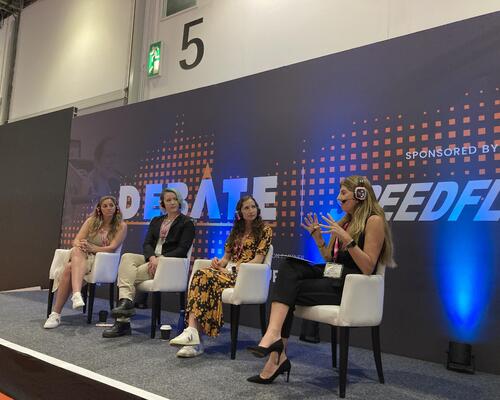
Elevate Arena is underway at London's Excel and the hot topic of AI was the first point of discussion on the Debate stage.

....
more>>
PureGym appoints Alex Wood as CEO as Clive Chesser steps down
PureGym appoints Alex Wood as CEO as Clive Chesser steps down   16 Jun 2026

PureGym Group has announced that group chief financial officer, Alex Wood, is taking over the role of CEO, as Clive Chesser steps .... more>>

Ebbsfleet Healthy New Town celebrates the opening of the Weldon Wellbeing Pavilion
Ebbsfleet Healthy New Town celebrates the opening of the Weldon Wellbeing Pavilion   16 Jun 2026

Freedom Leisure and Ebbsfleet Garden City Trust have opened the £13 million Weldon Wellbeing Pavilion – a new community wellbeing and sports .... more>>

Company profile


Power Plate

Power Plate is owned, manufactured and distributed by U.S. based Performance Health Systems LLC, a global company delivering advanced technology solutions through health and wellness equipment.

View full profile>>

Catalogue gallery


Featured Supplier

Cornerstone Connect helps Active Blackpool tackle health inequalities

Cornerstone Connect helps Active Blackpool tackle health inequalities

Active Blackpool is deploying Cornerstone Connect, a new digital interface allowing disparate information from multiple systems to be aggregated into one dataset, to support its focus on reducing health inequalities and improving healthy life expectancy. More>>


in this issue

• Virgin gets right to wipe out rent arrears
• Fitness industry mourns passing of Jan Spaticchia
• STA offers mindfulness resources


Latest jobs

Jobs Search


Recreation Assistant
Salary: Competitive salary
Location: Stratford-upon-Avon
Company: Everyone Active
Duty Manager
Salary: Competitive
Location: Stratford-upon-Avon
Company: Everyone Active
National Event Planning and Logistics Officer
Salary: £30,190 - £32,636pa + matched pension + benefits
Location:
Company: English Heritage
Diary dates
Powered by leisurediary.com

21-23 Jun 2026

Spa Life International (UK)

Midlands (Venue TBA), Liphook, United Kingdom


Published by Leisure Media Tel: +44 (0)1462 431385 | Contact us | About us | © Cybertrek Ltd