NEWS
HCM News: Taking GLP-1s is linked to a decline in physical activity
POSTED 26 Jun 2026 . BY Liz Terry
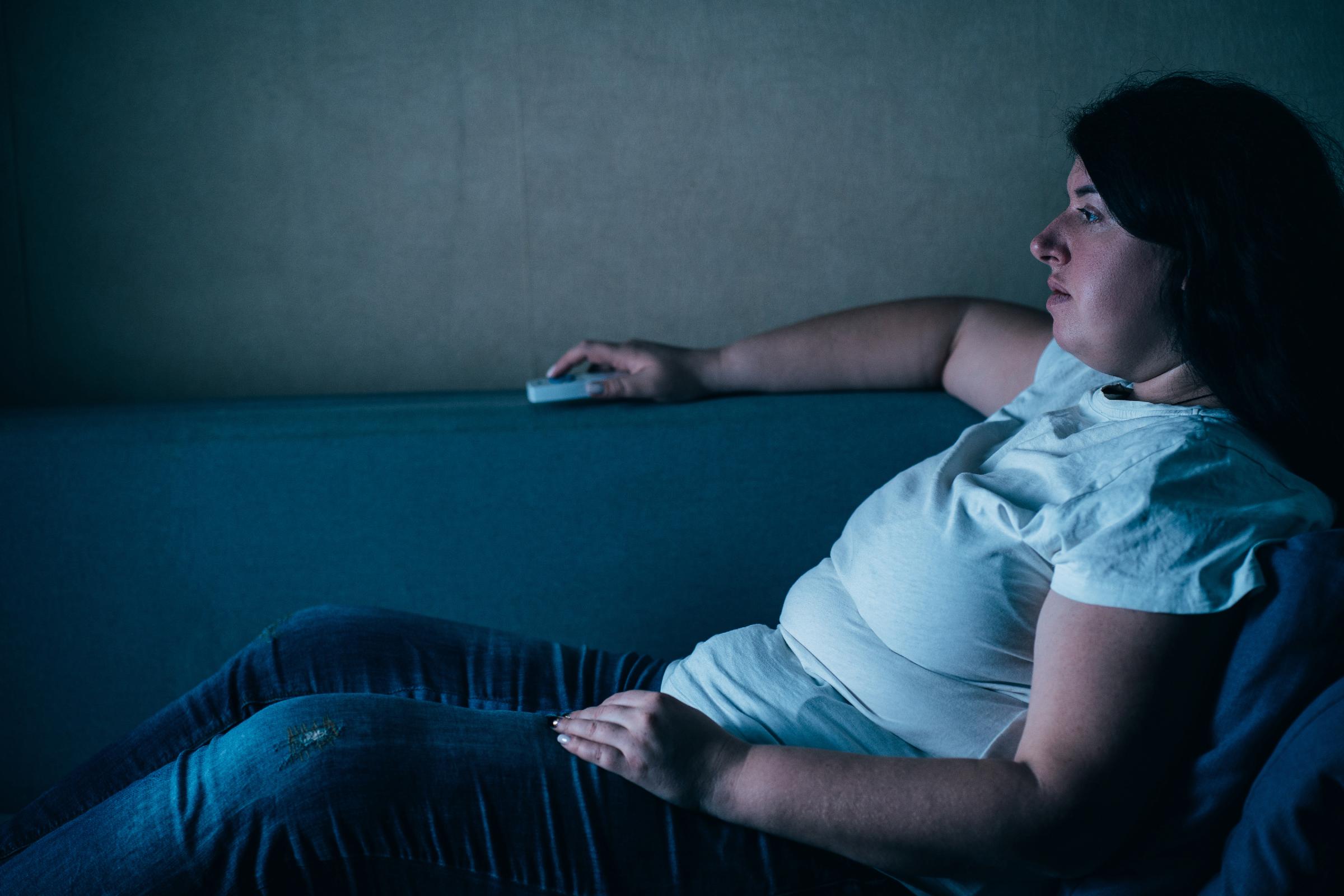
The study used Fitbit data to track activity levels in GLP-1 users Credit: Flotsam/Shutterstock
People taking GLP-1 weight-loss medications walked fewer steps a day after starting treatment
Moderate-to-vigorous physical activity fell from 28 minutes to 22 minutes a day
Researchers say exercise should be integrated into obesity treatment to help preserve muscle and physical function
Study is the first to use wearable fitness tracker data to assess changes in activity after starting GLP-1 medications

People taking GLP-1 weight loss medications such as Ozempic, Wegovy, Mounjaro and Zepbound may be losing weight, but they’re also becoming less physically active, according to new research presented at the ENDO 2026 annual meeting of the Endocrine Society.

Researchers analysed wearable activity data from 753 adults with obesity, who had started taking GLP-1s, using electronic health records and Fitbit data from the US National Institutes of Health’s All of Us research programme.

Participants were predominantly women (78.6 per cent) and an average age of 52.7 years-of-age.

The study found average daily step counts fell from 5,047 to 4,487 after participants started the medication, while time spent in moderate-to-vigorous physical activity dropped from 28 minutes a day to 22 minutes. The biggest reductions were seen in men and in people experiencing joint or muscle pain.

The findings challenge the assumption that losing weight leads people to become more active. Instead, researchers suggest that although the drugs are highly effective at reducing body weight, they do not automatically encourage healthier movement habits and may even contribute to a decline in everyday activity.

The trend is concerning because GLP-1s are known to reduce lean body mass as well as fat, making resistance training and regular physical activity important for preserving muscle, connective tissue, strength and long-term physical function. Research has also shown that exercise can help maintain metabolic health and improve the durability of weight loss after treatment.

Lead researcher Dr Sajana Maharjan of HSHS St John’s Hospital in Springfield, Illinois, said: “While many assume that weight loss leads naturally to increased physical activity, our study suggests otherwise. The findings reinforce that exercise cannot be optional for people taking these medications. People need targeted interventions that encourage physical activity alongside medication for obesity.”

The researchers say this is the first large-scale study to use wearable fitness tracker data to examine changes in physical activity among people taking GLP-1s. They conclude that structured exercise programmes should be integrated into obesity treatment, creating a significant opportunity for health clubs, personal trainers and exercise professionals to support people using weight-loss medications while helping them protect muscle mass and maximise long-term health outcomes. l



CONTACT US

Leisure Media
Tel: +44 (0)1462 431385

©Cybertrek 2026

ABOUT LEISURE MEDIA
LEISURE MEDIA MAGAZINES
LEISURE MEDIA HANDBOOKS
LEISURE MEDIA WEBSITES
LEISURE MEDIA PRODUCT SEARCH
PRINT SUBSCRIPTIONS
FREE DIGITAL SUBSCRIPTIONS
 
Leisure Management - HCM News: Taking GLP-1s is linked to a decline in physical activity...
03 Jul 2026 Leisure Management: daily news and jobs
 
 
HOME
JOBS
NEWS
FEATURES
PRODUCTS
FREE DIGITAL SUBSCRIPTION
PRINT SUBSCRIPTION
ADVERTISE
CONTACT US
Sign up for FREE ezine
Latest news

26 Jun 2026

HCM News: Taking GLP-1s is linked to a decline in physical activity
BY Liz Terry

The study used Fitbit data to track activity levels in GLP-1 users

The study used Fitbit data to track activity levels in GLP-1 users
photo: Flotsam/Shutterstock

People taking GLP-1 weight loss medications such as Ozempic, Wegovy, Mounjaro and Zepbound may be losing weight, but they’re also becoming less physically active, according to new research presented at the ENDO 2026 annual meeting of the Endocrine Society.

Researchers analysed wearable activity data from 753 adults with obesity, who had started taking GLP-1s, using electronic health records and Fitbit data from the US National Institutes of Health’s All of Us research programme.

Participants were predominantly women (78.6 per cent) and an average age of 52.7 years-of-age.

The study found average daily step counts fell from 5,047 to 4,487 after participants started the medication, while time spent in moderate-to-vigorous physical activity dropped from 28 minutes a day to 22 minutes. The biggest reductions were seen in men and in people experiencing joint or muscle pain.

The findings challenge the assumption that losing weight leads people to become more active. Instead, researchers suggest that although the drugs are highly effective at reducing body weight, they do not automatically encourage healthier movement habits and may even contribute to a decline in everyday activity.

The trend is concerning because GLP-1s are known to reduce lean body mass as well as fat, making resistance training and regular physical activity important for preserving muscle, connective tissue, strength and long-term physical function. Research has also shown that exercise can help maintain metabolic health and improve the durability of weight loss after treatment.

Lead researcher Dr Sajana Maharjan of HSHS St John’s Hospital in Springfield, Illinois, said: “While many assume that weight loss leads naturally to increased physical activity, our study suggests otherwise. The findings reinforce that exercise cannot be optional for people taking these medications. People need targeted interventions that encourage physical activity alongside medication for obesity.”

The researchers say this is the first large-scale study to use wearable fitness tracker data to examine changes in physical activity among people taking GLP-1s. They conclude that structured exercise programmes should be integrated into obesity treatment, creating a significant opportunity for health clubs, personal trainers and exercise professionals to support people using weight-loss medications while helping them protect muscle mass and maximise long-term health outcomes. l





Connect with
Leisure Management
Magazine:
View issue contents
Sign up:
Instant Alerts/zines

Print edition
 

News headlines
ISPA launches on-demand customer experience course by Dan Gingiss
ISPA launches on-demand customer experience course by Dan Gingiss   02 Jul 2026

The International Spa Association (ISPA) has launched a course by customer experience expert Dan Gingiss on its iLearn .... more>>

Omnigym collaborates on an outdoor gym for homeless people
Omnigym collaborates on an outdoor gym for homeless people   02 Jul 2026

Finnish outdoor fitness equipment specialist, Omnigym, has partnered with charity, Emmaüs Solidarité, to launch an outdoor gym installation at a .... more>>

Virgin Active opens social wellness club in London's Mayfair
Virgin Active opens social wellness club in London's Mayfair   02 Jul 2026

Virgin Active has officially opened its redesigned Mayfair club, unveiling its latest Social Wellness Club and signalling a significant evolution .... more>>

Corinthia appoints Peter Roth as president of hotel operations
Corinthia appoints Peter Roth as president of hotel operations   02 Jul 2026

Peter Roth has been appointed as Corinthia’s president of hotel operations.

....
more>>
Steve Nelson promoted to MD of Serco Leisure
Steve Nelson promoted to MD of Serco Leisure   01 Jul 2026

Steve Nelson takes up the role of managing director of Serco Leisure today (1 July 2026), following 18 years with the company where he has .... more>>

Qiddiya and Populous share details of Saudi Arabia’s National Tennis Centre
Qiddiya and Populous share details of Saudi Arabia’s National Tennis Centre   01 Jul 2026

Populous has unveiled the design for the National Tennis Centre at Qiddiya City, Saudi Arabia — a 30-court complex that will become the future home .... more>>

Company profile


We Work Well Inc

We Work Well is a global premier hosted buyer event company, connecting high-level executives from leading suppliers with pre-selected highly qualified buyers in the wellness and hospitality industries.

View full profile>>

Catalogue gallery


Featured Supplier

Zerobody Cryo: Starpool's contrast therapy solution

Zerobody Cryo: Starpool's contrast therapy solution

Contrast therapy, based on the alternation of hot and cold rituals, has become one of the most valued practices in the fields of wellness and recovery. More>>


in this issue

• Virgin gets right to wipe out rent arrears
• Fitness industry mourns passing of Jan Spaticchia
• STA offers mindfulness resources


Latest jobs

Jobs Search


Sports Coach
Salary: £20.00 - £25.00
Location: Hemel Hempstead
Company: Everyone Active
Sports Coach
Salary: £20.00 - £25.00
Location: Berkhamsted
Company: Everyone Active
Team Leader
Salary: Competitive salary, excellent benefits
Location: Rochford
Company: Everyone Active
Diary dates
Powered by leisurediary.com

03-05 Jul 2026

World Championship in Massage

Copenhagen, Copenhagen, Denmark


Published by Leisure Media Tel: +44 (0)1462 431385 | Contact us | About us | © Cybertrek Ltd