NEWS
UK updates physical activity guidelines with focus on daily movement
POSTED 11 Jul 2026 . BY Liz Terry
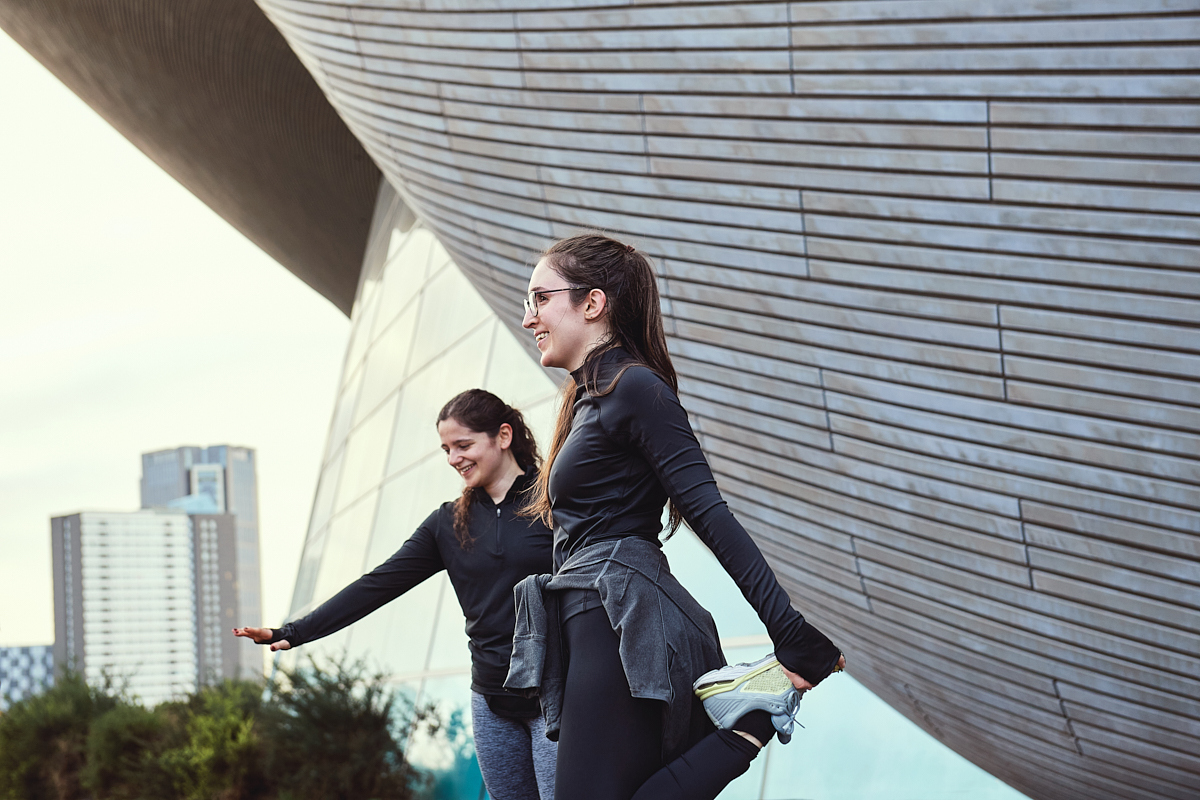
The revised guidelines advocate that people move every day Credit: Sport England
Updated UK Chief Medical Officers' guidance says every movement counts and reinforces that even small increases in physical activity improve health
Strength, balance and reducing sedentary time are given greater prominence, with growing evidence supporting their role in healthy ageing and disease prevention
The guidance includes advice for people taking GLP-1 weight loss and diabetes medications, encouraging resistance exercise and adequate protein intake to help preserve muscle
Sport England and The Activity Alliance have welcomed the update, saying it reinforces the importance of making physical activity accessible throughout life and for people of all abilities

The UK's four Chief Medical Officers have published a refreshed edition of Physical activity guidelines: UK Chief Medical Officers' report, updating the evidence that underpins the nation's physical activity recommendations and placing greater emphasis on strength, balance, reducing sedentary behaviour and, for the first time, supporting people taking weight loss medications.

While the familiar recommendation that adults complete at least 150 minutes of moderate-intensity physical activity – or 75 minutes of vigorous activity – each week remains unchanged, the updated report reflects a significant shift in emphasis rather than a change in the recommendations themselves.

Drawing on evidence published since the previous edition was released in 2019, the report strengthens the case for helping inactive people become more active – however modestly – while recognising the growing importance of maintaining muscle strength, reducing prolonged sitting and building movement into everyday life.

The report reinforces the message that every movement counts. Walking to the shops, taking the stairs, dancing, gardening, active play and household tasks can all contribute to better health, while physical activity no longer needs to be undertaken in long or structured sessions to deliver meaningful benefits.

For the first time, the report also includes advice for people taking medication for weight management or diabetes, highlighting the importance of preserving muscle through resistance exercise alongside adequate protein intake.

The UK CMOs – Professor Chris Whitty, Professor Michael McBride, Professor Gregor Smith and Professor Isabel Oliver – said physical activity remained one of the most effective ways of improving health and preventing disease.

"It is now clear that even small amounts of physical activity produce important benefits compared to none and the benefits steadily increase up to the recommended 150 minutes a week," they said.

"The evidence of the need to maintain strength and balance as we age, which may require different sorts of physical activity, including for those on GLP-1 agonist drugs for weight management or diabetes, has strengthened."

Chris Boardman, chair of Sport England, described physical activity as "one of the closest things we have to a wonder cure".

"Whether it's a walk to the shops, a bike ride, a jog or a game of football, moving more improves our physical and mental health, helps us stay independent for longer and connects us with the people and places around us," he said.

"Making it easier and more enjoyable to be active, especially for those who need it most, has the power to change lives."

The refreshed report covers every stage of life, including children and young people, adults, older adults, disabled people and women during pregnancy and after birth. It also strengthens the evidence that, for most disabled people and those living with long-term health conditions, the benefits of physical activity outweigh the risks.

The Activity Alliance welcomed the updated report, saying it reflected a more inclusive approach to physical activity.

Sarah Brown-Fraser, head of communications and policy, said: "For some disabled people and people with long-term health conditions, what may look like a small bout of movement can be a big achievement.

"The refreshed guidance is an important reminder that personal goals matter. We must recognise people's different starting points, listen to what being active means to them and support progress in ways that feel realistic, inclusive and meaningful."

For health and fitness operators, the report represents another step towards recognising the wider role the sector now plays in preventative healthcare. While the 150-minute recommendation remains the cornerstone of the UK's advice, the updated evidence reflects the industry's growing focus on strength training, healthy ageing, reducing sedentary behaviour, behaviour change and supporting people using GLP-1 medications to preserve muscle and remain active.

Although the government has highlighted the areas where the scientific evidence has strengthened – including light-intensity activity, sedentary behaviour, strength and balance, and GLP-1 therapies – it has not yet published the detailed evidence reviews underpinning the refresh, that it says had a sample of £0 million people. Those reviews are expected to provide further insight into the research that has shaped the latest recommendations.



CONTACT US

Leisure Media
Tel: +44 (0)1462 431385

©Cybertrek 2026

ABOUT LEISURE MEDIA
LEISURE MEDIA MAGAZINES
LEISURE MEDIA HANDBOOKS
LEISURE MEDIA WEBSITES
LEISURE MEDIA PRODUCT SEARCH
PRINT SUBSCRIPTIONS
FREE DIGITAL SUBSCRIPTIONS
 
Leisure Management - UK updates physical activity guidelines with focus on daily movement...
12 Jul 2026 Leisure Management: daily news and jobs
 
 
HOME
JOBS
NEWS
FEATURES
PRODUCTS
FREE DIGITAL SUBSCRIPTION
PRINT SUBSCRIPTION
ADVERTISE
CONTACT US
Sign up for FREE ezine
Latest news

11 Jul 2026

UK updates physical activity guidelines with focus on daily movement
BY Liz Terry

The revised guidelines advocate that people move every day

The revised guidelines advocate that people move every day
photo: Sport England

The UK's four Chief Medical Officers have published a refreshed edition of Physical activity guidelines: UK Chief Medical Officers' report, updating the evidence that underpins the nation's physical activity recommendations and placing greater emphasis on strength, balance, reducing sedentary behaviour and, for the first time, supporting people taking weight loss medications.

While the familiar recommendation that adults complete at least 150 minutes of moderate-intensity physical activity – or 75 minutes of vigorous activity – each week remains unchanged, the updated report reflects a significant shift in emphasis rather than a change in the recommendations themselves.

Drawing on evidence published since the previous edition was released in 2019, the report strengthens the case for helping inactive people become more active – however modestly – while recognising the growing importance of maintaining muscle strength, reducing prolonged sitting and building movement into everyday life.

The report reinforces the message that every movement counts. Walking to the shops, taking the stairs, dancing, gardening, active play and household tasks can all contribute to better health, while physical activity no longer needs to be undertaken in long or structured sessions to deliver meaningful benefits.

For the first time, the report also includes advice for people taking medication for weight management or diabetes, highlighting the importance of preserving muscle through resistance exercise alongside adequate protein intake.

The UK CMOs – Professor Chris Whitty, Professor Michael McBride, Professor Gregor Smith and Professor Isabel Oliver – said physical activity remained one of the most effective ways of improving health and preventing disease.

"It is now clear that even small amounts of physical activity produce important benefits compared to none and the benefits steadily increase up to the recommended 150 minutes a week," they said.

"The evidence of the need to maintain strength and balance as we age, which may require different sorts of physical activity, including for those on GLP-1 agonist drugs for weight management or diabetes, has strengthened."

Chris Boardman, chair of Sport England, described physical activity as "one of the closest things we have to a wonder cure".

"Whether it's a walk to the shops, a bike ride, a jog or a game of football, moving more improves our physical and mental health, helps us stay independent for longer and connects us with the people and places around us," he said.

"Making it easier and more enjoyable to be active, especially for those who need it most, has the power to change lives."

The refreshed report covers every stage of life, including children and young people, adults, older adults, disabled people and women during pregnancy and after birth. It also strengthens the evidence that, for most disabled people and those living with long-term health conditions, the benefits of physical activity outweigh the risks.

The Activity Alliance welcomed the updated report, saying it reflected a more inclusive approach to physical activity.

Sarah Brown-Fraser, head of communications and policy, said: "For some disabled people and people with long-term health conditions, what may look like a small bout of movement can be a big achievement.

"The refreshed guidance is an important reminder that personal goals matter. We must recognise people's different starting points, listen to what being active means to them and support progress in ways that feel realistic, inclusive and meaningful."

For health and fitness operators, the report represents another step towards recognising the wider role the sector now plays in preventative healthcare. While the 150-minute recommendation remains the cornerstone of the UK's advice, the updated evidence reflects the industry's growing focus on strength training, healthy ageing, reducing sedentary behaviour, behaviour change and supporting people using GLP-1 medications to preserve muscle and remain active.

Although the government has highlighted the areas where the scientific evidence has strengthened – including light-intensity activity, sedentary behaviour, strength and balance, and GLP-1 therapies – it has not yet published the detailed evidence reviews underpinning the refresh, that it says had a sample of £0 million people. Those reviews are expected to provide further insight into the research that has shaped the latest recommendations.





Connect with
Leisure Management
Magazine:
View issue contents
Sign up:
Instant Alerts/zines

Print edition
 

News headlines
UK updates physical activity guidelines with focus on daily movement
UK updates physical activity guidelines with focus on daily movement   11 Jul 2026

The UK's four Chief Medical Officers have published a refreshed edition of Physical activity guidelines: UK Chief Medical Officers' .... more>>
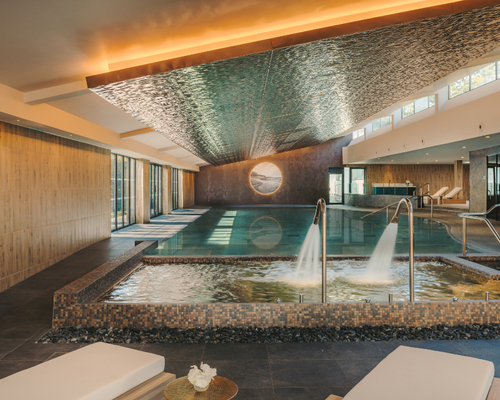
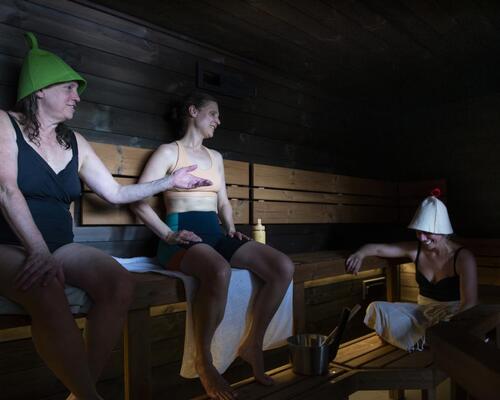
Sauna advocate Becky Pelkonen drafts global public sauna-bathing charter
Sauna advocate Becky Pelkonen drafts global public sauna-bathing charter   10 Jul 2026

Becky Pelkonen, the sauna advocate and researcher, has unveiled the draft of a global public sauna-bathing charter.

....
more>>
Places Leisure is working with Roberts Limbrick to build £60m wellness flagship in Basingstoke
Places Leisure is working with Roberts Limbrick to build £60m wellness flagship in Basingstoke   10 Jul 2026

Places Leisure has exchanged contracts to build and operate a flagship £60m water and wellness destination on behalf of Basingstoke and Deane .... more>>

Marriott International partners with Fitwel for wellness solutions across its residential portfolio
Marriott International partners with Fitwel for wellness solutions across its residential portfolio   10 Jul 2026

Marriott International has partnered with Fitwel, a healthy building certification system that aims to optimise occupant .... more>>

Anna Bjurstam steps down from Six Senses to build new company Wahayla
Anna Bjurstam steps down from Six Senses to build new company Wahayla   10 Jul 2026

Anna Bjurstam – who left her role as Wellness Pioneer at Six Senses Hotels and Resorts at the end of June – has launched a new wellness, longevity .... more>>

Fairmont Cheshire, The Mere, opens with spa philosophy of ‘Wellness without Walls’
Fairmont Cheshire, The Mere, opens with spa philosophy of ‘Wellness without Walls’   10 Jul 2026

Fairmont Cheshire, The Mere, has opened today (10 July) near Knutsford in the north-west of England with a 1,715sq m Fairmont Spa that has been .... more>>

Company profile


Taylor Made Designs

Founded in 1993, Taylor Made Designs supply corporate clothing and brand-enhancing merchandise to the health & leisure industry.

View full profile>>

Catalogue gallery


Featured Supplier

Elemis launches its first Red Light Mask, lighting the way to advanced skin health and restoration

Elemis launches its first Red Light Mask, lighting the way to advanced skin health and restoration

Elemis has branched into LED skincare with the launch of its breakthrough Red Light Mask. More>>


in this issue

• Virgin gets right to wipe out rent arrears
• Fitness industry mourns passing of Jan Spaticchia
• STA offers mindfulness resources


Latest jobs

Jobs Search


General Manager
Location: Sheffield
Company: Everyone Active
General Manager
Location: Sheffield
Company: Everyone Active
Swim Manager
Salary: Competitive salary
Location: Stratford-upon-Avon
Company: Everyone Active
Diary dates
Powered by leisurediary.com

19-21 Jul 2026

Elevate Aesthetics Phoenix

The Global Ambassador , Phoenix, United States


Published by Leisure Media Tel: +44 (0)1462 431385 | Contact us | About us | © Cybertrek Ltd