Fasting – abstaining from solid food for short or prolonged periods – has become a fashionable practice in recent years. Many spas now offer dedicated juice fasts and there’s been a huge growth in popularity of at-home fasting plans like the 5:2 protocol where you eat for five days and semi-fast for two each week.
Fasting, of course, has been practised in different cultures and religions for thousands of years, recognised for both its physical and spiritual benefits. And as scientific knowledge advances, the world is learning more about how effective even short periods of fasting can be for longer-term health. Benefits include normalisation of weight, blood pressure and cholesterol, increased protection against Alzheimer’s and diabetes, and even, some experts believe, a lengthened life span.
A new study by researchers at the University of Southern California has shown that total fasting for as little as two days was enough to trigger regeneration in the immune system, helping the body to fight infection – and we take a closer look at findings on page 116. Such effects could be of help to the elderly who have decreased immunity as well as cancer patients whose immune systems have been damaged by chemotherapy.
But should fasting retreats be the domain of specialised facilities like medical spas, with a highly trained team of experts on hand, or can it be safely offered as a restorative programme at spa resorts?
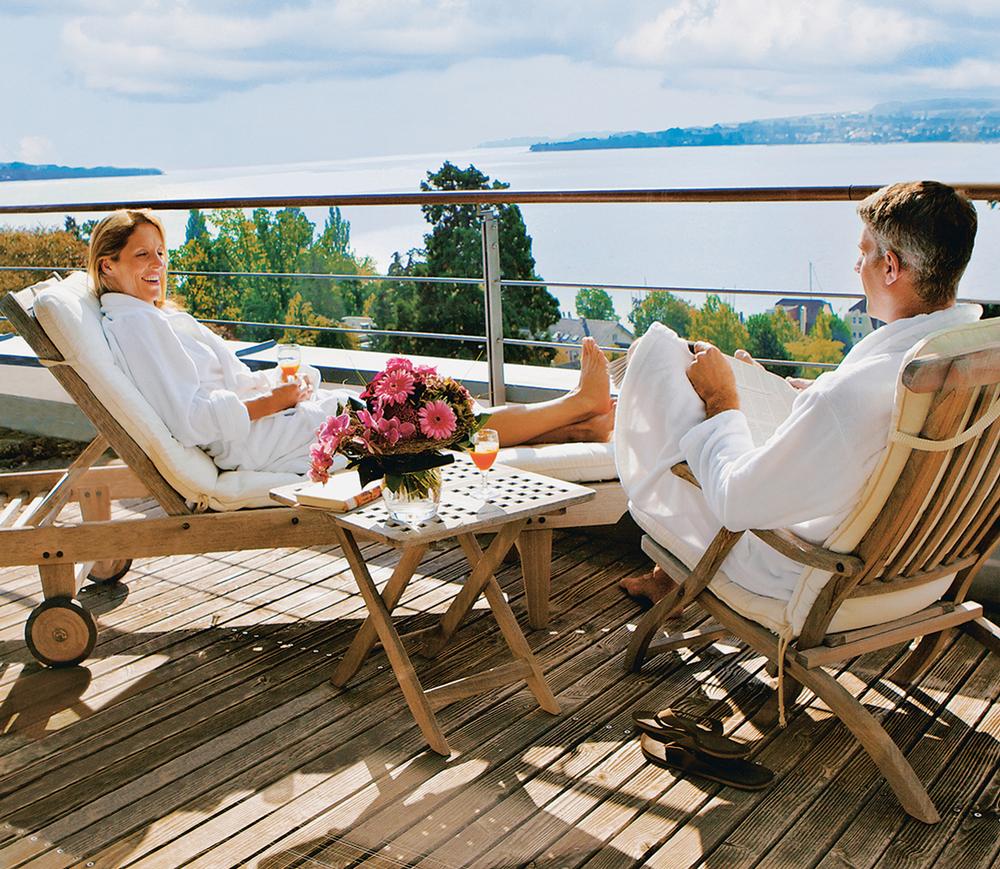
The beautiful and natural setting of many spas and resorts will certainly be conducive to the process of fasting. The long-established Buchinger fasting clinics in Spain and Germany (see opposite), which have a luxurious, spa-like, setting are testimony to this.
For those facilities that lack the on-site medical expertise of specialist facilities like Buchinger, programmes based around the 5:2 protocol – or ‘fasting lite’ if you like – are proving to be a more attractive and accessible option for both spa operators and their guests.
Whatever the wellness facility, customers must be carefully assessed for their suitability to the programme, provided with a transition period into the fast and a safe re-feeding period post-fast.
The consensus among most experts appears to be that total abstinence from food is both unnecessary and highly unattractive to participants. Those attending a high-quality spa will be expecting more for their fees than just water.
The Buchinger clinics, and most other fasting facilities, offer raw vegetable and fruit juices, broths and herbal teas as part of the fast. In fact, many experts agree that the addition of such nutrients only serve to enhance, not detract, from the results.
Many spas already have the right natural environment and supporting therapies (lymph drainage massage, body scrubs, meditation, etc) to complement a fasting programme. But which fasting model should they adopt and what support and expertise do they need to have to deliver it? We ask the experts for their advice on the matter.
|
|
|